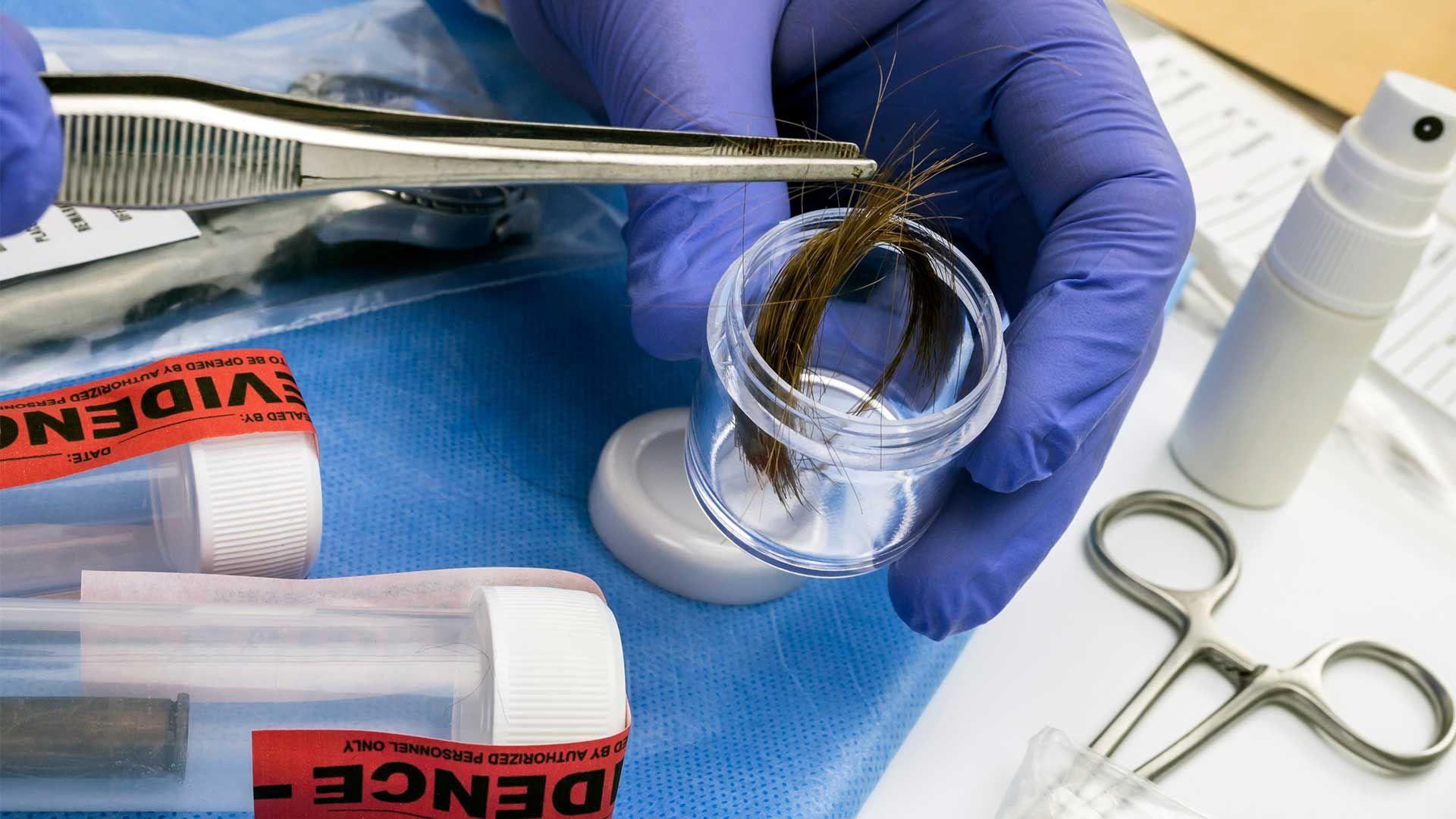
Hair testing comes up in dental board discipline because it is an alternative specimen that can offer a longer detection window than matrices designed to capture more recent use. How much it can show, and how confidently, depends on the collection details and the lab’s methods.
That longer lookback can be useful when a board is monitoring compliance with a consent order, a professional health program, or return-to-practice conditions. It is also why hair testing sometimes appears when the question is whether someone stayed abstinent over a longer stretch, not what happened on a single day.
Still, a longer detection window is not the same thing as stronger proof. In a contested licensing matter, the real question is whether the board can rely on this specific result for the specific conclusion it is being asked to draw. When the stakes include a dentist’s license, reputation, and livelihood, small reliability gaps can have outsized consequences.
This guide focuses on what matters most to attorneys and experts: the testing workflow, where reliability breaks down, and the avoidable vetting failures that cause boards and reviewing courts to accept, narrow, or discount hair-test evidence.
How Hair Drug Testing Works
Drug testing can use different specimen types, including hair, oral fluid, sweat, and urine. The specimen choice matters because each matrix has different strengths and limits.
Hair testing is used to analyze drugs and drug metabolites in hair as an alternative specimen, but interpretation depends heavily on how the sample was collected, handled, and analyzed.
A commonly described framework is that interpretation can be affected by factors beyond ingestion, including external exposure and the way hair is treated and processed. That is why, in contested cases, the focus often shifts to method validation, contamination controls, and the limits the lab itself applies when it interprets results, especially in forensic and regulated programs.
In real disputes, the fight is rarely about whether a lab can detect an analyte at all. The fight is whether the lab’s methods, documentation, and interpretive rules support a defensible inference in this case.
A typical workflow includes:
- Collection and Documentation: Collection procedures and documentation matter because they shape what the result can and cannot support. Proposed federal workplace drug testing guidelines for hair specimens show the kind of standardized collection, labeling, and chain-of-custody detail that can matter in contested cases.
- Decontamination and Contamination Controls: Hair testing guidance recognizes that external exposure can complicate interpretation, which is why wash steps and contamination controls need to be documented and validated as part of the laboratory approach.
- Screening and Confirmation: In many forensic workplace programs, an initial screen is followed by a confirmatory mass-spectrometry method before a result is treated as a true positive.
- Reporting and Interpretation: Interpretation should be tied to documented cutoffs, quality controls, and stated limitations, with a disciplined approach to what the supporting documentation actually shows.
Key point for hearings: A “positive” only carries weight if the method, controls, chain of custody, and inference all line up.
Why Dental Boards Use Hair Testing
Boards may use hair testing because it can:
- Support longer-window monitoring compared with approaches designed for shorter detection periods, depending on specimen and method
- Fit compliance-focused oversight when the concern is ongoing abstinence or program conditions rather than a single incident
- Shift the vulnerability profile away from some urine collection vulnerabilities in certain settings, while introducing its own interpretive risks, especially around contamination, hair treatment, and documentation quality
Hair testing also shows up in licensing discipline because these cases are often handled through administrative proceedings, and boards may rely on documentary records to track compliance. The way a record is built can matter later, especially if the case goes up on judicial review.
If you want to narrow the inference or challenge the result, you usually need to build that record early. In many administrative systems, review is often tied to the hearing record, so it is usually safest to assume the reviewing court will focus on what was introduced and preserved, depending on the governing state standard of review.
How Boards Evaluate Drug-Testing Evidence
Dental board hearings are administrative proceedings governed by state statutes, agency rules, and due-process requirements. The details vary widely by state and by agency.
One reason hair testing disputes can feel unforgiving is that administrative review often turns on the record that was actually built. A useful illustration is Hyde v. Maryland State Board of Dental Examiners, where the reviewing court evaluated the board’s outcome in a record-driven posture that highlights how quickly disputes can turn on what the record shows and what objections were preserved.
That case is not offered as a universal rule for every board or state. It is a concrete example of how an administrative record can frame the dispute on review.
So the core task stays the same: define the inference the board is being asked to accept, then pressure-test whether the lab work and documentation actually support it.
Administrative Hearings: Standards, Deference, and Proof
A cautionary example sometimes discussed in this area is Hyde v. Maryland State Board of Dental Examiners (Maryland Court of Special Appeals, unreported decision, January 24, 2018). The opinion includes an explicit warning that it may not be cited in Maryland courts for precedential or persuasive authority.
Maryland’s courts also publish a short overview on citing unreported opinions, and they note it is only a summary of Md. Rule 1-104. In general, unreported opinions cannot be cited as precedent, and unreported opinions of Maryland’s appellate courts issued on or after July 1, 2023 may be cited for persuasive value only when no reported authority adequately addresses the issue. The guidance also notes that unreported per curiam opinions may not be cited for precedential or persuasive authority.
Maryland’s appellate court also published a July 2023 memo that explains this rule change and emphasizes it is an overview, not a substitute for consulting Md. Rule 1-104.
Case Example: Hyde v. Maryland State Board of Dental Examiners
Two practice points matter here, with the important qualifier that procedures vary by state:
- In some administrative proceedings, boards may proceed on documentary testing records without live testimony from lab personnel, depending on the agency’s rules and any preserved due-process objections. Hyde is one example of how these issues can be litigated in a board record and then reviewed.
- Conflicting expert testimony rarely wins on credentials alone. In Hyde, the board weighed the record and testimony and stated it found no basis to discredit the test results. More broadly, boards often credit testimony that stays anchored to the actual record, explains what the documents do and do not prove, and focuses on the specific inference the board is being asked to accept.
The broader lesson is not that hair testing is always accepted. It is that weak challenges often fail when they attack the category of testing instead of the particular methods, paperwork, and reasoning used in the case.
Reliability Fault Lines That Matter in Licensing Cases
External Contamination and Wash Effectiveness
Contamination is the classic fight. Hair testing guidance recognizes that external exposure can complicate interpretation, which is why decontamination steps and contamination indicators need to be documented and validated as part of the lab’s approach.
Record gap that sinks weight: Missing wash documentation, unclear contamination controls, or no explanation of how the lab distinguishes likely use from possible exposure.
Hair Characteristics and Differential Incorporation
Some guidance notes that hair properties may affect drug incorporation and interpretation. The strength of this point depends on the analyte, the method, and the lab’s validation and interpretive framework. A defensible argument stays narrow and record-based, not categorical.
Common documentation miss: Treating differential incorporation as a guaranteed bias without tying the claim to the lab’s method, validation, and the analyte at issue.
Time Window Is Not Impairment
Hair testing is generally discussed as a tool for longer-window detection rather than pinpointing impairment at a specific time. Guidance emphasizes interpretive limits, which makes “impairment at a moment” a high-risk inference unless supported by other evidence.
In some cases, hair testing can help support a general timeframe, but it is not a precise clock, and methods like segment-by-segment profiling require caution.
Avoidable inference error: Presenting a hair result as proof of on-the-job impairment without additional evidence that actually speaks to impairment.
Cutoffs and Lab-to-Lab Differences
Guidance documents emphasize that interpretation depends on method validation, cutoffs, and quality controls. In practice, labs may differ in methods and cutoffs, which makes lab-specific documentation and decision rules central in contested cases.
Common vetting miss: Accepting a result without confirming cutoffs, method validation, and quality-control acceptance criteria.
Chain of Custody and Sample Integrity
Even a well-designed method can be undermined by custody gaps, unclear labeling, questionable handling, or incomplete identifiers. Administrative cases routinely rise or fall on what the record shows about specimen integrity and documentation.
Common failure point: Missing custody links, unclear specimen labeling, or unexplained handling gaps.
What Strong Expert Testimony Looks Like
Strong experts do not just criticize. They show the board what is missing and why it matters for the inference being offered. In licensing discipline, the best testimony usually follows a repeatable structure:
- Define the analytic question: Use versus exposure, timing inference, or compliance inference.
- Audit the record: Chain of custody, collection method, hair length, segmentation (cutting the sample into sections), standard operating procedures, quality-control logs, and confirmation data.
- Explain uncertainty with care: Focus on the limits stated in the guidance and the lab’s own validated decision rules, rather than overstating what the literature can prove in the abstract.
- Keep the inference tight: Stop unsupported leaps from “positive” to broader conclusions.
Attorney Checklist: How to Pressure-Test a Hair Result
Use this checklist as a discovery roadmap and a hearing-prep tool. The goal is to force the record to match the inference being offered.
- Collection details: Who collected, where on the head, what length, what quantity, what packaging, what documentation.
- Custody chain: Every handoff, storage condition, and seal integrity as reflected in the record.
- Lab qualifications: Accreditation status and proficiency testing, where available in the documentation.
- Analytical method: Screening approach, confirmation method, analytes reported, cutoffs, and quality-control acceptance rules.
- Decontamination protocol: Wash steps, contamination indicators, validation support, and interpretive rules.
- Underlying data (when obtainable): Instrument outputs and supporting quality-control documentation that back the reported conclusion, if available under the governing rules.
- Alternative explanations: Documented environmental exposure, hair treatments, and whether the method addresses them.
- Scope of inference: Exactly what the result proves, and what it does not prove, based on the documentation and stated limitations.
A practical example is documentation integrity. If the packet has gaps in handling, reporting, or interpretation that are not explained in the record, that weakness is not abstract. It can go directly to how much weight the board should give the result.