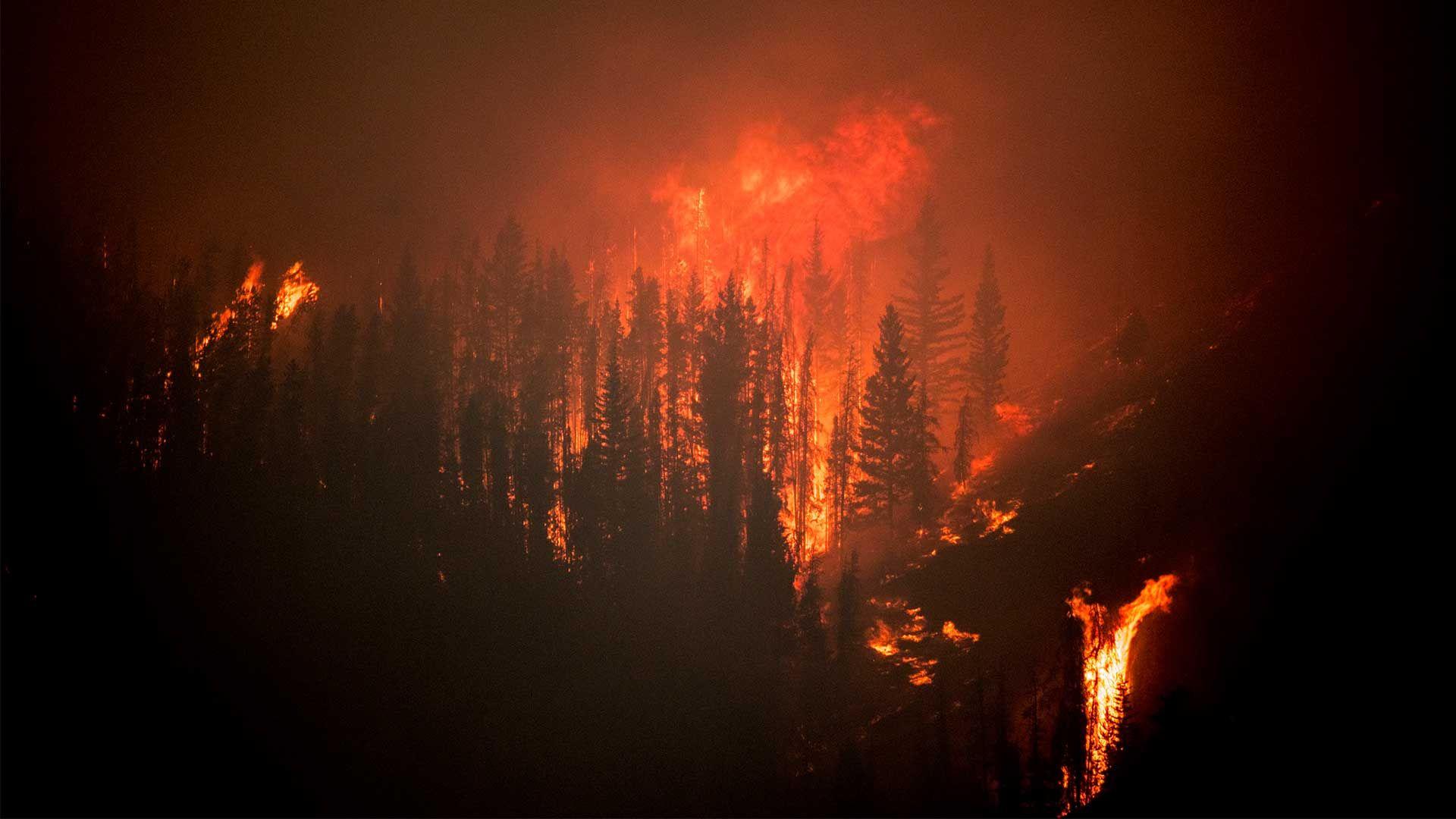
Wildfire insurance is becoming harder to price, underwrite, and obtain. Losses are growing, insurance costs are rising, and many homeowners in high-risk communities are finding that standard homeowners coverage is harder to keep, replace, or afford.
State insurance regulators are responding by asking how insurers measure wildfire risk, how that risk affects pricing and coverage decisions, and whether consumers are being treated fairly when policies are limited, non-renewed, or moved toward FAIR Plan or other limited coverage options.
Most insurance regulation still happens at the state level. Federal agencies and Congress are also paying closer attention to insurance availability, affordability, data collection, and market monitoring as climate-related risks grow. Those efforts should not be treated as binding federal underwriting standards unless a specific law, rule, or regulation actually applies.
This guide explains what is changing in wildfire insurance regulation, where the most active reforms are happening, and how attorneys, insurers, and compliance teams can prepare for disputes involving pricing, risk scores, mitigation credits, FAIR Plan coverage, and claim handling.
Why Wildfire Insurance Rules Are Changing
Many state regulators are trying to keep insurance available in high-risk communities while allowing rates and underwriting decisions, where permitted, to account for real wildfire exposure.
The main pressure points include:
- Keeping coverage available in communities with serious wildfire risk
- Allowing rates, where permitted, to reflect current and modeled risk
- Protecting consumers from unclear risk scores, improper non-renewals, and unsupported underwriting or coverage decisions
- Encouraging insurers to recognize verified mitigation, home hardening, and community wildfire protection work
Under California’s Sustainable Insurance Strategy reforms, insurers may use forward-looking catastrophe models in certain rate filings, subject to Department review and oversight. The Department also reviews Sustainable Insurance Strategy filings alongside insurer commitments to expand coverage in wildfire-distressed areas, and some approved filings include enforceable coverage commitments.
For insurers and counsel, the practical question is whether someone can follow the reasoning later. Underwriting files, pricing support, notices, claim records, inspection materials, and model documentation should show how the insurer reached its decision and which state rules applied.
Key Wildfire Insurance Regulatory Changes to Watch
Catastrophe Modeling in Rate Filings
State regulators are paying closer attention to how insurers use wildfire catastrophe models and risk-scoring tools. In California, Sustainable Insurance Strategy reforms allow insurers to use forward-looking wildfire catastrophe models in certain rate filings, with Department review and oversight. The Department has also emphasized mitigation data, model review, and market commitments in wildfire-distressed areas.
The key issue is not simply whether a model was used. The issue is whether the insurer can explain how the model affected the decision. A stronger file typically identifies the model used, inputs, assumptions, data sources, limitations, treatment of mitigation, and the role the output played in the rate, renewal, or eligibility decision.
Catastrophe models become harder to defend when they rely on stale property data, unclear scoring methods, inconsistent mitigation assumptions, undocumented judgment calls, or unexplained outputs. In a dispute, those gaps can make a technical underwriting issue look like a reliability problem.
Mitigation Discounts and Home Hardening
California’s Safer from Wildfires framework recognizes wildfire protection at three levels: the structure, the immediate surroundings, and the community. The Department states that every listed action qualifies for an insurance discount, although the amount and how the discount applies may depend on the insurer’s approved rating plan and the policy at issue.
This is where disputes can start. A homeowner may believe that defensible space, fire-rated roofing, ember-resistant vents, community mitigation, or another protective measure should have lowered the premium or affected the underwriting result.
When that happens, the insurer is in a stronger position if it has more than a final answer. It needs a record that shows what was reviewed, what was accepted, what was rejected, and why.
FAIR Plan Pressure in Wildfire Insurance Markets
FAIR Plans are becoming more important as private coverage becomes harder to obtain in wildfire-prone areas. California’s FAIR Plan remains closely tied to the state’s wildfire insurance availability concerns, and Colorado law created a FAIR Plan to provide property insurance coverage when coverage is not available from admitted insurers.
Colorado also enacted follow-up FAIR Plan legislation in 2025, clarifying implementation issues and certain remedies involving FAIR Plan policies.
FAIR Plan coverage can help preserve access, but disputes may still arise after a loss. Disputes may involve limits, exclusions, covered perils, policy forms, producer communications, and whether the policyholder understood the remaining coverage gaps.
For legal teams, those details matter because the dispute may turn on what the policy actually covered and whether the insured was clearly informed about remaining gaps.
Wildfire Risk Score Transparency
Washington is also a state to watch. Its insurance regulator has identified wildfire risk scores as a consumer transparency issue and has supported more disclosure when those scores affect home insurance decisions.
In 2026, Washington lawmakers considered wildfire risk-score disclosure legislation, including HB 2277 and SB 5928. The proposals would require disclosures when insurers use wildfire risk scores and would require insurers to review submitted documentation and provide a revised wildfire risk score or classification if the proposed conditions are met. As of the close of Washington’s 2026 regular session, SB 5928 had passed the Senate but had not advanced out of the House Consumer Protection & Business Committee, and neither SB 5928 nor HB 2277 had been enacted. Legal teams should confirm the current status before treating either bill as a compliance deadline.
Even as proposals, the Washington bills point to a larger fairness issue. If a wildfire risk score affects eligibility, pricing, renewal, or a mitigation discount, insurers can reduce dispute risk by being ready to explain where the score came from, what information was used, and how inaccurate data can be reviewed or corrected.
Limits on State Wildfire Maps in Insurance Decisions
Oregon shows why it is important to separate state-published wildfire risk maps from private underwriting tools. Under Oregon law, an insurance company may not use a map published by an agency of the state that identifies areas of wildfire risk or exposure as the basis for increasing premiums, canceling a policy, or declining to renew coverage for a private home.
Oregon’s statewide Wildfire Hazard Map, which prompted much of the public debate around wildfire classifications, was repealed in 2025 under Senate Bill 83. That repeal does not change the underwriting rule in ORS 742.278, which still applies to a wildfire risk or exposure map published by a state agency.
That distinction can become important in litigation. The statute does not prohibit every wildfire-related underwriting tool, but the insurer should be able to show what actually drove the decision.
When the record is unclear, a policyholder may argue that the insurer relied on a prohibited state-agency map. A better file identifies the data source, explains how it was used, and connects the outcome to the rule that applied.
State-by-State Wildfire Insurance Issues for Legal Teams
California
California remains an active state for wildfire insurance reform. Key issues include catastrophe model review, mitigation discounts, FAIR Plan pressure, and insurer commitments in wildfire-distressed areas. The strongest files usually show how the outcome connects to the rating, underwriting, or claim-handling support in the record.
Oregon
For insurance purposes, Oregon’s key issue is the distinction between state-published wildfire risk maps and insurer underwriting decisions. Although Oregon repealed its statewide Wildfire Hazard Map in 2025, legal teams should still be able to show whether a decision relied on permissible underwriting information rather than a wildfire risk or exposure map published by an agency of the state.
Washington
Washington has considered wildfire risk-score disclosure legislation focused on consumer explanations, score transparency, and review or correction of certain property-risk information. As of the close of Washington’s 2026 regular session, neither SB 5928 nor HB 2277 had been enacted. Insurers can still reduce dispute risk by being ready to explain what a wildfire risk score means, how it was applied, and how inaccurate property data can be reviewed or corrected.
Colorado
Colorado’s FAIR Plan creates a last-resort coverage pathway when property insurance coverage is not available from admitted insurers. Colorado also enacted follow-up FAIR Plan legislation in 2025 addressing implementation issues and certain remedies involving FAIR Plan policies. Legal teams should pay close attention to eligibility, coverage limits, exclusions, policy forms, producer communications, fees, assessments, and whether the insured understood what gaps remained.
Compliance Checklist for Insurers and Counsel
One of the best protections is a file that can be understood later. A regulator, expert, opposing counsel, or court should be able to follow the reasoning without guessing.
Insurers and counsel should consider these steps:
- Map rate, renewal, cancellation, disclosure, risk-score, mitigation, and FAIR Plan rules by jurisdiction.
- Review policy forms, notices, exclusions, and renewal communications for state-specific compliance.
- Audit wildfire models for input quality, scoring methods, mitigation treatment, explainability, and consumer fairness risks.
- Preserve rate filing support when pricing relies on catastrophe models, reinsurance costs, mitigation assumptions, wildfire risk scores, or other technical inputs.
- Document inspections, photographs, mitigation records, property data corrections, and underwriting judgment calls.
- Train brokers, adjusters, underwriters, and customer-facing teams on discounts, coverage limits, required notices, and any jurisdiction-specific review, correction, complaint, or appeal processes.
- Preserve claim and underwriting records in a format that can be reviewed later by regulators, experts, or opposing counsel.
These steps help reduce the risk that a later dispute turns on missing records, unclear communications, or technical assumptions no one can explain.
Key Takeaway for Wildfire Insurance Compliance
Wildfire insurance rules are changing quickly, and active states are looking beyond rates and policy forms. Regulators are also asking how insurers classify risk, explain decisions, credit mitigation, communicate with policyholders, and respond to coverage problems in high-risk markets.
For attorneys and insurers, the strongest position often starts before anyone files a claim, complaint, or lawsuit. Reliable models, clear notices, complete files, jurisdiction-specific compliance tracking, and expert review can help test whether technical assumptions are accurate, explainable, and defensible.