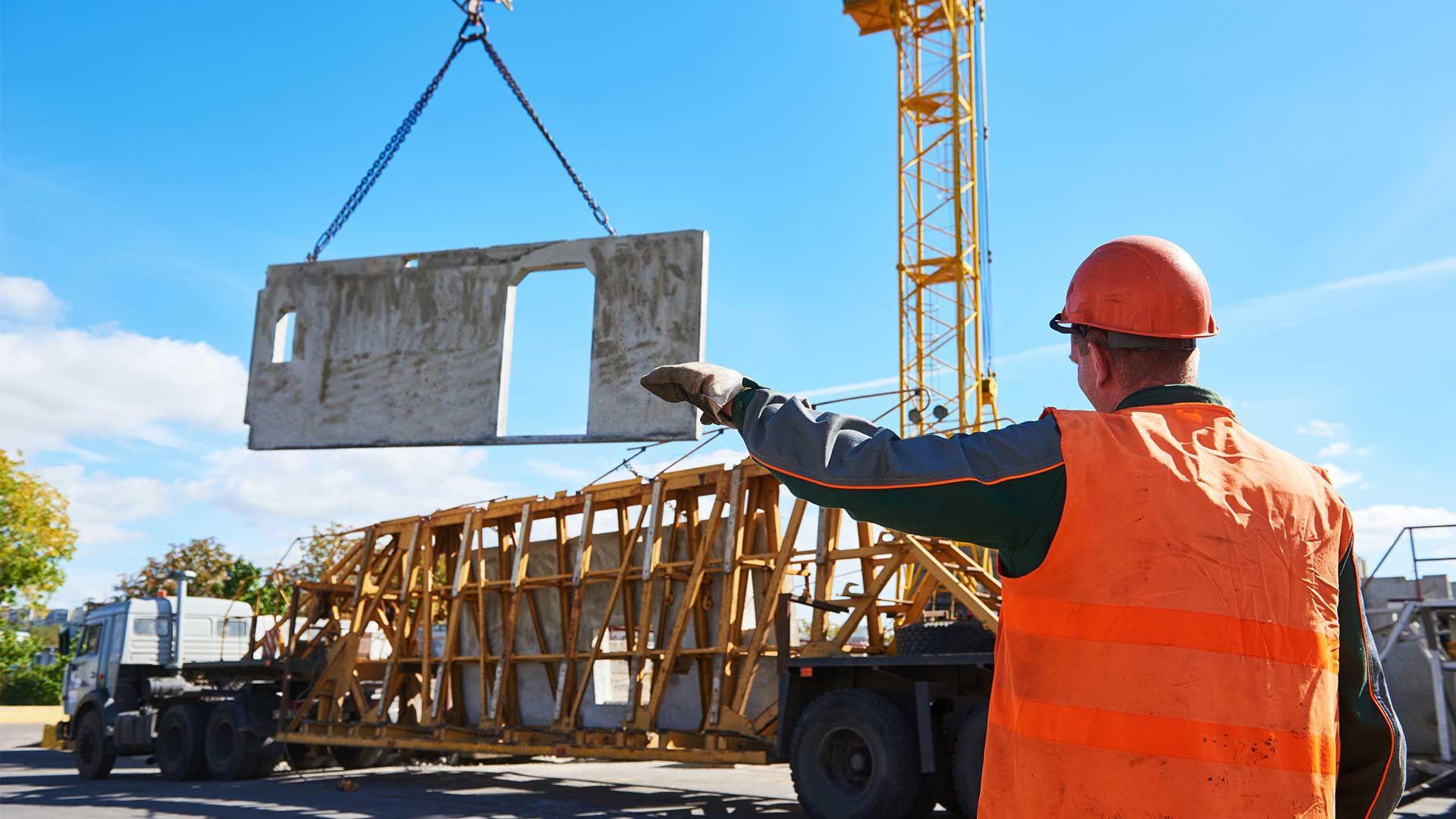
Concrete is widely recognized for its strength and durability, but it remains a porous material throughout its service life. Water plays an essential role during mixing and curing by enabling cement hydration, the chemical process that allows concrete to harden and develop strength. After construction is complete, however, moisture continues moving through concrete in both liquid and vapor form. While this moisture movement is a normal characteristic of concrete, excessive or uncontrolled moisture can contribute to building performance issues and, in some cases, construction disputes.
For attorneys, understanding how moisture behaves inside concrete involves more than engineering principles. Moisture-related conditions frequently become central issues in construction defect litigation, commercial flooring disputes, insurance claim investigations, warranty claims, and professional negligence cases. During these matters, experts evaluate not only the presence of moisture but also its source, movement, timing, and whether it caused or contributed to the alleged damage. Their investigations often consider multiple factors, including construction practices, environmental conditions, maintenance history, material performance, and subsequent events.
This article explains how water and water vapor move through concrete, why excessive moisture can affect building performance, and how engineers and other technical experts evaluate moisture-related conditions during construction-related disputes.
Why Moisture in Concrete Matters
Moisture influences nearly every stage of a concrete structure's life cycle. During construction, water is necessary for cement hydration, the chemical reaction that gives concrete its strength and durability. After curing, however, excess moisture may interfere with flooring systems, contribute to material deterioration, and create conditions that warrant further technical investigation.
Common moisture-related issues include:
- Flooring adhesive failures
- Delamination of resilient flooring systems
- Conditions that may support mold growth when moisture persists and environmental conditions are favorable
- Corrosion of reinforcing steel under appropriate conditions
- Efflorescence, or white mineral deposits on concrete surfaces
- Freeze-thaw deterioration in climates experiencing repeated freezing cycles
- Damage to coatings and waterproofing systems
- Elevated indoor humidity that may affect building performance
Many of these conditions develop gradually and may not become apparent until months or even years after construction has been completed. Determining their cause typically requires more than a visual inspection. Engineers and other qualified construction professionals often evaluate moisture testing results together with construction records, project specifications, manufacturer installation requirements, environmental data, maintenance history, and field observations before developing engineering opinions regarding the likely source and significance of observed moisture conditions.
Consider a commercial office building where luxury vinyl flooring begins separating from the concrete slab approximately one year after occupancy. The flooring installer may argue that excessive slab moisture existed when the flooring was installed, while the contractor attributes the problem to a later plumbing leak or elevated indoor humidity resulting from HVAC operation. Rather than assuming either explanation is correct, a forensic investigation would evaluate moisture testing results, installation records, construction sequencing, manufacturer requirements, and site conditions before determining whether moisture contributed to the observed flooring failure.
Understanding these moisture mechanisms helps attorneys recognize why seemingly routine construction decisions, such as curing practices, slab drying time, flooring installation schedules, or moisture testing procedures, may later become significant issues during litigation.
How Water Exists Inside Concrete
Water exists in several forms inside concrete, and each serves a different function throughout the material's life cycle.
Mixing Water
Fresh concrete requires water to begin the cement hydration process. As cement reacts with water, it forms hardened cement paste that binds sand, gravel, and other aggregates into a durable structural material.
Not all of the original mixing water becomes chemically incorporated into the hardened concrete. A portion remains within the network of microscopic pores and capillaries that naturally develop as concrete cures.
When other factors remain constant, concrete produced with a higher water-cement ratio generally develops a larger and more interconnected pore structure. This allows moisture to move more readily through the material. By comparison, properly proportioned concrete with a lower water-cement ratio and appropriate curing practices generally develops a denser structure with lower permeability.
Chemically Bound Water
Some of the original mixing water becomes incorporated into the hydration products formed during cement hydration. This chemically bound water becomes part of the hardened cement paste and generally does not migrate as free moisture under normal service conditions. Unlike free water within the concrete's pore structure, chemically bound water is not available to move through the concrete under typical service conditions.
Free Water
The remaining water is commonly referred to as free water because it occupies the concrete's pore structure rather than becoming chemically bound. As drying progresses, this free water may remain within the pore structure or gradually change into water vapor depending on environmental conditions. The drying process often continues long after construction has been completed.
Drying time varies based on several factors, including:
- Slab thickness
- Water-cement ratio
- Ambient temperature
- Relative humidity
- Air circulation
- HVAC operation
- Building occupancy
- Floor coverings installed over the slab
For example, a thick concrete slab inside an enclosed building with limited ventilation may require many months before its internal moisture condition reaches the level recommended by a flooring manufacturer for installation.
Water Versus Water Vapor: Understanding the Difference
Although people sometimes use the terms interchangeably, liquid water and water vapor behave very differently inside concrete. Understanding this distinction is important because each may indicate different moisture sources and require different investigative approaches.
Liquid Water
Liquid water moves through concrete by flowing through cracks, joints, interconnected pores, and capillary pathways.
Common sources include:
- Rainwater intrusion
- Groundwater beneath slabs
- Plumbing leaks
- Improper site drainage
- Flooding
- Hydrostatic pressure
Liquid water often creates localized moisture conditions that may produce visible staining, dampness, or other signs of water intrusion.
Water Vapor
Water vapor is moisture in its gaseous state. Instead of flowing like liquid water, vapor moves because of differences in vapor pressure between areas of higher and lower humidity.
As concrete continues drying, moisture inside the slab gradually changes into water vapor and migrates toward areas where vapor pressure is lower. This process may continue even when the slab surface appears dry.
Because vapor movement is largely invisible, moisture-related flooring failures sometimes occur without obvious evidence of liquid water intrusion. For example, a warehouse floor may appear dry when resilient flooring is installed. Months later, the flooring begins blistering or separating even though no plumbing leak or exterior water intrusion can be identified. Subsequent testing may reveal elevated internal slab moisture, but experts would still evaluate installation timing, manufacturer requirements, environmental conditions, construction sequencing, and possible later moisture sources before forming opinions regarding causation.
This distinction explains why moisture investigations generally evaluate both visible water intrusion and internal slab moisture rather than assuming one necessarily explains the other.
How Moisture Moves Through Concrete
Concrete contains millions of interconnected microscopic pores that allow moisture to move through the material in several different ways. Understanding these mechanisms helps investigators determine why moisture appears in one location while the original source may exist elsewhere.
Capillary Action
Concrete's fine pores can draw liquid water upward or sideways through capillary forces.
This helps explain why moisture originating beneath a slab may eventually migrate toward the surface even when no active plumbing leak exists. Capillary movement is often more significant where vapor retarders are absent, damaged, or improperly installed beneath slabs on grade, although it can occur whenever moisture is present within the concrete's pore structure.
Vapor Diffusion
Water vapor naturally migrates from areas of higher vapor pressure toward areas of lower vapor pressure.
Indoor humidity, outdoor weather, seasonal temperature changes, ventilation, HVAC operation, and building occupancy patterns all influence how quickly this process occurs.
Although vapor diffusion generally occurs gradually, it may continue over extended periods and contribute to moisture accumulation beneath low-permeability flooring systems, coatings, or sealants.
Permeability
Concrete is not inherently waterproof. Most conventional concrete permits some degree of moisture movement.
Its permeability depends on several factors, including:
- Water-cement ratio
- Degree of curing
- Concrete density
- Presence of cracks
- Age of the concrete
- Overall construction quality
Properly proportioned and well-cured concrete generally limits moisture movement more effectively than concrete produced with excessive mixing water or inadequate curing practices.
Environmental Conditions
The surrounding environment also plays a significant role in moisture movement.
Important factors include:
- Relative humidity
- Temperature
- Air circulation
- Ground moisture conditions
- Seasonal weather
- HVAC operation
- Building occupancy
Because these conditions change over time, moisture testing performed under controlled procedures generally provides more reliable information than visual observations alone. Engineers rarely rely on a single moisture reading when evaluating a construction dispute. Instead, they interpret testing results together with construction records, project specifications, manufacturer installation instructions, environmental conditions, construction sequencing, and field observations before developing engineering opinions regarding the likely source of moisture and whether it contributed to the claimed damage.
Common Problems Caused by Excess Moisture
Not every moisture condition results in structural damage or a construction defect. Concrete naturally contains moisture throughout its service life, and some moisture movement is expected. Problems typically arise when moisture exceeds acceptable levels for the materials being used or when water reaches areas that were not intended to be exposed during the building's design or construction.
One of the most common examples is flooring failure. Many resilient flooring products, adhesives, coatings, and sealants are designed to perform within specific moisture limits established by their manufacturers. If flooring is installed before the concrete slab reaches the recommended moisture conditions for that flooring system, moisture may continue migrating toward the surface after installation.
When low-permeability flooring traps that moisture, the resulting vapor pressure may contribute to:
- Adhesive deterioration
- Bubbling or blistering
- Curling or lifting flooring materials
- Surface discoloration
- Loss of bond between the flooring and the concrete slab
- Conditions that may support mold growth when sufficient moisture and favorable environmental conditions exist
A practical example illustrates why these disputes often become technically complex. Imagine a newly constructed medical office building where sheet vinyl flooring begins lifting less than a year after installation. The flooring installer argues that the concrete slab contained excessive moisture when work began, while the owner suspects a concealed plumbing leak that developed after occupancy. Subsequent testing may indicate elevated internal slab moisture, but experts would still evaluate installation timing, manufacturer requirements, construction sequencing, environmental conditions, and possible later moisture sources before determining whether moisture contributed to the flooring failure.
Moisture may also contribute to corrosion of reinforcing steel under appropriate conditions. As corrosion progresses, it can lead to cracking, delamination, or spalling of the surrounding concrete, increasing repair complexity and cost. Whether corrosion develops depends on multiple factors, including the availability of moisture, oxygen, and conditions that allow the reinforcing steel's protective environment to deteriorate.
Another visible indicator is efflorescence. This white mineral deposit forms when moisture carries dissolved salts to the concrete surface, where the water evaporates and leaves the salts behind. Although efflorescence is often considered an aesthetic concern, it may also indicate ongoing moisture movement that warrants additional investigation.
In colder climates, saturated concrete may also become more susceptible to freeze-thaw deterioration, particularly where the concrete was not properly designed, placed, or maintained for those exposure conditions. Properly air-entrained concrete generally provides greater resistance to repeated freeze-thaw cycles, but prolonged moisture exposure may still contribute to deterioration in certain environments.
Because these issues often develop gradually, identifying their underlying cause typically requires more than visual observations. Engineers and other qualified construction professionals evaluate moisture testing results together with construction records, maintenance history, environmental conditions, project specifications, and material performance before developing engineering opinions regarding causation.
How Moisture Is Evaluated During Construction Investigations
When moisture-related damage becomes the subject of a construction dispute, one of the first questions is not simply whether moisture exists, but where it originated and whether it caused or contributed to the claimed damage.
Answering those questions requires a systematic investigation rather than assumptions based solely on staining, dampness, or isolated moisture readings.
Qualified engineers and other construction experts typically evaluate multiple sources of information before forming technical opinions.
A comprehensive investigation may include:
- Reviewing project specifications and construction documents
- Examining concrete mix designs and curing procedures
- Evaluating construction schedules and flooring installation timelines
- Reviewing manufacturer installation instructions
- Inspecting waterproofing systems and vapor retarders
- Assessing site drainage and grading
- Evaluating HVAC operation, ventilation, temperature, and indoor humidity
- Looking for evidence of plumbing failures or water intrusion
- Reviewing maintenance records and previous repairs
- Reviewing previous moisture testing, commissioning reports, and punch list documentation when available
Rather than relying on a single observation, investigators compare multiple pieces of physical evidence to determine whether they support a consistent explanation for the observed moisture condition.
Moisture Testing Methods
Several testing methods are commonly used during construction investigations. Each provides different information, and no single method answers every question. The testing method selected should be appropriate for the project conditions, applicable industry standards, and the flooring manufacturer's installation requirements.
In Situ Relative Humidity Testing
In situ relative humidity (RH) testing measures the internal moisture condition of a concrete slab using sensors installed in drilled holes at specified depths.
Because this method evaluates internal slab conditions rather than only surface moisture emissions, it can provide useful information when assessing whether a slab has reached the moisture conditions recommended for a particular flooring system. Test results should always be interpreted together with project conditions, manufacturer requirements, applicable industry standards, and other available evidence.
Calcium Chloride Testing
Calcium chloride testing measures the moisture vapor emission rate from the surface of a bare concrete slab over a specified period.
This method may still be appropriate where permitted by the flooring manufacturer and where testing conditions fall within the scope of the applicable industry standard.
However, it evaluates moisture vapor emissions at the slab surface rather than the slab's internal moisture condition. Because surface conditions may not fully represent internal moisture levels, the results should be interpreted together with project conditions, manufacturer installation requirements, applicable industry standards, and any additional moisture testing performed.
Additional Investigative Tools
Depending on the circumstances, investigators may also use:
- Electronic moisture meters as preliminary screening tools
- Infrared thermography to identify areas with potential moisture anomalies
- Concrete core sampling for laboratory evaluation
- Petrographic analysis to examine concrete composition and deterioration
- Hygrometric measurements to document ambient environmental conditions
Each method provides only part of the overall picture. Experienced investigators interpret testing results together with field observations, engineering principles, construction records, project documentation, and accepted industry practices before developing engineering opinions regarding the likely source and significance of the observed moisture conditions.
Why Water Vapor Matters in Flooring Failure Litigation
Flooring failures remain one of the most common sources of moisture-related construction disputes.
One reason these cases become technically challenging is that a concrete slab may appear dry at the surface while still containing elevated internal moisture. As the slab gradually reaches equilibrium with its surrounding environment, moisture continues migrating toward the finished floor.
If low-permeability flooring materials such as vinyl, rubber flooring, epoxy coatings, or other resilient systems are installed before the slab reaches the moisture conditions recommended for that flooring system, water vapor may accumulate beneath the finished surface.
Possible consequences include:
- Adhesive failure
- Bubbling or blistering
- Curling or lifting
- Surface discoloration
- Premature flooring deterioration
These conditions alone do not establish the cause of failure.
Similar damage may also result from:
- Improper substrate preparation
- Incorrect adhesive selection
- Installation deficiencies
- Manufacturing defects
- Indoor environmental conditions
- Plumbing leaks
- Subsequent water intrusion
- Other project-specific factors
Each flooring failure should be evaluated based on its own facts, testing results, construction history, and project conditions. Moisture is often one part of a broader technical investigation rather than the sole explanation for the observed damage.
Construction Litigation and the Role of Moisture Evidence
Construction disputes involving concrete moisture often involve multiple parties whose responsibilities overlap.
Depending on the facts of the case, claims may involve:
- Property owners
- General contractors
- Subcontractors
- Architects
- Engineers
- Flooring installers
- Product manufacturers
- Property managers
- Maintenance providers
As a result, determining responsibility often requires answering several technical questions rather than simply confirming that moisture exists.
Experts may evaluate whether moisture conditions resulted from one or more contributing factors, including:
- Concrete that had not sufficiently dried before flooring installation
- Missing, damaged, or improperly installed vapor retarders
- Deficient site drainage
- Building envelope deficiencies
- Plumbing failures
- HVAC-related condensation
- Construction sequencing
- Long-term environmental exposure
More than one contributing factor may exist in the same case.
For example, a flooring system may fail because elevated slab moisture combined with an improperly selected adhesive and unusually high indoor humidity. Determining the relative contribution of each condition frequently becomes one of the central issues during litigation.
In federal courts, the admissibility of expert testimony is governed by Federal Rule of Evidence 702. State courts may apply different evidentiary standards depending on the jurisdiction, while arbitration proceedings may follow the procedures established by the applicable arbitration agreement and governing law.
Regardless of the forum, well-supported expert opinions are generally expected to rely on sufficient facts or data, reliable principles and methods, and the reliable application of those methods to the facts of the case. The weight ultimately given to an expert's opinion depends on the applicable legal standard and the specific facts presented.
Moisture-related construction disputes often involve technical questions that cannot be answered through photographs, repair invoices, or witness testimony alone. Qualified experts help attorneys understand how moisture behaved within the structure, whether accepted construction practices were followed, and whether the available evidence supports a particular theory of causation.
Depending on the issues in dispute, an investigation may involve civil engineers, structural engineers, building envelope specialists, materials scientists, flooring consultants, or other professionals with relevant technical expertise.
An expert's evaluation may include determining:
- Whether the concrete mix and curing practices complied with project specifications
- Whether the slab had adequate time to cure and dry before flooring installation
- Whether moisture testing was performed using recognized industry methods appropriate for the project
- Whether flooring manufacturers' installation requirements were followed
- Whether moisture originated from construction practices, maintenance issues, environmental exposure, or later events
- Whether the observed damage is consistent with the alleged mechanism of failure
Experts also review a broad range of project documentation to understand how the structure was designed, constructed, tested, and maintained.
This information may include:
- Construction schedules
- Inspection reports
- Laboratory testing results
- Concrete placement records
- Flooring installation documentation
- Manufacturer product data sheets
- Maintenance and repair histories
- Previous moisture testing
- Commissioning reports
- Punch list documentation
- Weather records during construction
- Project specifications
Rather than relying on a single piece of evidence, qualified experts integrate physical observations, moisture testing, engineering analysis, project documentation, and accepted industry practices before developing engineering opinions.
A thorough forensic investigation often eliminates potential explanations before identifying the most technically supported conclusions. For example, investigators may rule out plumbing leaks through pressure testing, eliminate roof leakage through building envelope inspections, compare construction schedules with flooring installation dates, and evaluate moisture testing results before concluding that elevated slab moisture likely contributed to the observed flooring failure.
These technical opinions help attorneys understand competing theories of causation, evaluate potential liability, assess damages, and explain complex engineering concepts to judges, arbitrators, mediators, insurers, or juries. The opinions themselves do not determine legal responsibility, which depends on the applicable law and the specific facts presented.
Conclusion
Water plays an essential role in concrete because it enables the hydration process that gives the material its strength. After construction is complete, however, moisture continues interacting with concrete throughout its service life. Because conventional concrete remains porous, both liquid water and water vapor can move through the material depending on environmental conditions, exposure, and the characteristics of the concrete itself.
Understanding how moisture behaves helps explain why flooring failures, reinforcing steel corrosion, efflorescence, and water intrusion may develop over time. Just as importantly, it highlights why identifying the source of moisture and determining whether that moisture contributed to the claimed damage are often more important than simply confirming that moisture is present.
For attorneys handling construction disputes, moisture-related claims rarely turn on a single piece of evidence. Instead, they often require careful evaluation of engineering principles, moisture testing, construction records, manufacturer installation requirements, project specifications, environmental conditions, maintenance history, and other project-specific facts.
Qualified engineering and construction experts assist attorneys and other decision-makers by applying accepted investigative methods to the available evidence. Their technically supported opinions help evaluate competing theories of causation, identify potential contributing factors, and explain complex engineering issues in a clear and understandable manner. Those opinions assist courts, arbitrators, mediators, insurers, and the parties in evaluating technical evidence, but they do not determine legal liability by themselves.
Whether a dispute involves commercial flooring failures, alleged construction defects, warranty claims, or insurance investigations, understanding the movement of water and water vapor within concrete provides an important foundation for evaluating both engineering evidence and the issues that frequently arise during construction-related litigation.