Structural Engineering, +4
Construction
Loading
Construction
4 min read
Areas of Expertise :
Geotechnical Engineering, Hydrology, Drainage, Utility Engineering, Erosion

Published Date:
Last Modified Date:
Jurisdiction:
Not Specified
Court:
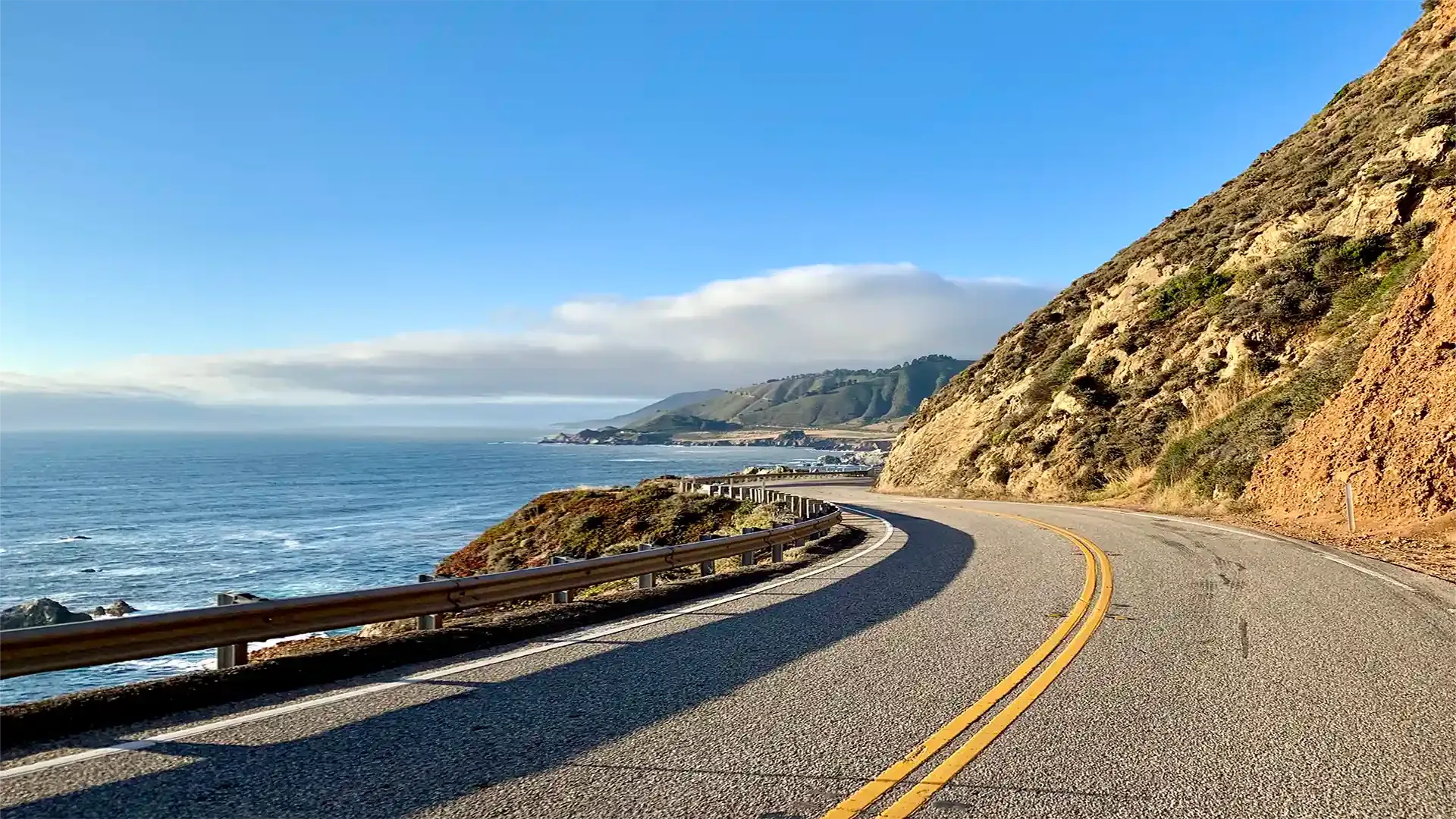
In May 2017, a major landslide occurred along California’s Highway 1 at Mud Creek in Big Sur, causing substantial damage to coastal infrastructure and drawing attention to the geotechnical vulnerabilities of the region. The event, which displaced over 5 million cubic yards of earth into the Pacific Ocean, closed a key transportation route and prompted immediate investigations into contributing factors. The California Department of Transportation (Caltrans) led the recovery and assessment efforts, while questions emerged about the role of nearby infrastructure, including that managed by Southern California Edison (SCE). These questions evolved into legal claims that examined whether utility-related activity may have influenced slope conditions. This case provides a comprehensive view into how geotechnical analysis, infrastructure management, and environmental conditions intersect in complex litigation involving natural hazard events.
A landslide occurred along Highway 1 at Mud Creek in Big Sur, displacing more than 5 million cubic yards of material and covering approximately one-third of a mile of the roadway. The highway closure disrupted access for residents, tourists, and commerce, leading to extended transportation delays. Initial environmental and geotechnical assessments were launched to address debris management and evaluate site safety in a region already prone to slope failures.
Caltrans commissioned a detailed geotechnical investigation to determine the contributing factors to the landslide. Investigators analyzed rainfall patterns, historic landslide data, terrain modeling, and the influence of nearby manmade infrastructure. Engineering consultants and geologists examined whether utility installations or grading activity altered natural drainage or slope loadings. A highway realignment project was developed to restore access while avoiding unstable terrain.
Caltrans filed legal claims asserting that infrastructure managed by Southern California Edison may have impacted slope conditions. The lawsuit focused on geotechnical engineering principles such as slope stability, groundwater flow, and soil-structure interaction. Legal arguments evaluated whether utility maintenance practices aligned with industry standards for construction in geohazard zones.
Southern California Edison reached a $1.16 billion settlement addressing environmental damage claims from multiple disasters, including the Big Sur landslide and the Montecito mudflows. While the specific terms of the Big Sur case were not individually disclosed, the settlement resolved liability claims by insurers and government entities. The case emphasized the importance of integrating geotechnical risk management into utility infrastructure planning.
Not Specified
Case Name:
Not Specified
The Mud Creek landslide struck Big Sur on May 20, 2017, covering about one-third of a mile of Highway 1.
The slope failure displaced more than 5 million cubic yards of earth and debris into the Pacific Ocean.
Investigations examined heavy rainfall, prolonged drought, preexisting slope movement, drainage, and nearby infrastructure.
Caltrans constructed a realigned section of Highway 1 across the landslide area to restore access.
Southern California Edison was not publicly adjudicated liable for causing the landslide.
Engineering Geology
Landslides
Slopes
Soil Engineering
Groundwater
Hydrogeology
Topography
Water Resources
Utility Construction
In May 2017, a major landslide occurred along California’s Highway 1 at Mud Creek in Big Sur, causing substantial damage to coastal infrastructure and drawing attention to the geotechnical vulnerabilities of the region. The event, which displaced over 5 million cubic yards of earth into the Pacific Ocean, closed a key transportation route and prompted immediate investigations into contributing factors. The California Department of Transportation (Caltrans) led the recovery and assessment efforts, while questions emerged about the role of nearby infrastructure, including that managed by Southern California Edison (SCE). These questions evolved into legal claims that examined whether utility-related activity may have influenced slope conditions. This case provides a comprehensive view into how geotechnical analysis, infrastructure management, and environmental conditions intersect in complex litigation involving natural hazard events.
A landslide occurred along Highway 1 at Mud Creek in Big Sur, displacing more than 5 million cubic yards of material and covering approximately one-third of a mile of the roadway. The highway closure disrupted access for residents, tourists, and commerce, leading to extended transportation delays. Initial environmental and geotechnical assessments were launched to address debris management and evaluate site safety in a region already prone to slope failures.
Caltrans commissioned a detailed geotechnical investigation to determine the contributing factors to the landslide. Investigators analyzed rainfall patterns, historic landslide data, terrain modeling, and the influence of nearby manmade infrastructure. Engineering consultants and geologists examined whether utility installations or grading activity altered natural drainage or slope loadings. A highway realignment project was developed to restore access while avoiding unstable terrain.
Caltrans filed legal claims asserting that infrastructure managed by Southern California Edison may have impacted slope conditions. The lawsuit focused on geotechnical engineering principles such as slope stability, groundwater flow, and soil-structure interaction. Legal arguments evaluated whether utility maintenance practices aligned with industry standards for construction in geohazard zones.
Southern California Edison reached a $1.16 billion settlement addressing environmental damage claims from multiple disasters, including the Big Sur landslide and the Montecito mudflows. While the specific terms of the Big Sur case were not individually disclosed, the settlement resolved liability claims by insurers and government entities. The case emphasized the importance of integrating geotechnical risk management into utility infrastructure planning.
Geotechnical expert witnesses are commonly consulted during investigations and litigation. The following expert types are relevant to landslide liability and infrastructure damage claims:
Geotechnical Engineering Expert Witness
Specialists in slope stability, soil behavior, and subsurface analysis. They interpret failure mechanisms and provide causation assessments for litigation involving ground movement.
Engineering Geology Expert Witness
Experts in bedrock structure, soil types, and landslide recurrence. Their geological mapping and site characterization support technical findings in slope failure cases.
Hydrology and Drainage Expert Witness
These experts assess stormwater runoff, infiltration, and drainage impacts on slope saturation and erosion. They help quantify water’s role in slope instability.
Utility Infrastructure Engineers Expert Witness
Engineers who review utility pole design, foundation anchoring, and structural placement relative to geologic hazards. They assess whether utility installations contributed to soil movement.
Proving Causation in Landslide Lawsuits: Slope failures often result from both natural conditions and human activity. Legal teams rely on multidisciplinary forensic engineering to parse liability.
Utility Liability in Geohazard Zones: Utilities operating in landslide-prone areas must meet engineering standards that consider subsurface conditions and slope behavior.
Public and Private Legal Claims: While this case involved a public agency, similar geotechnical failure claims are frequently brought by private landowners, insurers, and commercial entities.
Compliance with Geotechnical Standards: Thorough site investigation, soil testing, and engineering review help mitigate legal exposure and inform case strategy.
The Big Sur landslide litigation presents a clear example of how natural events can lead to legal scrutiny over infrastructure decisions and environmental risk management. The case brought together geological investigation, civil engineering analysis, and infrastructure oversight in assessing potential contributing factors to the slope failure. While natural causes such as rainfall and geologic instability played a major role, the legal proceedings explored the extent to which human infrastructure may have interacted with these conditions. For legal and engineering professionals, the case underscores the need for comprehensive geotechnical evaluations and ongoing monitoring in regions with known geohazards.

What triggered the Big Sur landslide?
The slide was attributed to a combination of heavy rainfall, pre-existing geologic instability, and possible impacts from nearby infrastructure or grading activity.
Was Southern California Edison found liable for the slope failure?
SCE was not publicly declared liable in this individual case, but included the landslide in a broader environmental claims settlement.
What role do geotechnical experts play in landslide lawsuits?
They provide technical evaluations of slope conditions, failure causes, and adherence to engineering standards, which support or refute legal claims of negligence.
How can infrastructure projects reduce landslide risk?
Through comprehensive geotechnical site investigations, slope monitoring, and proper drainage design, engineers can help prevent slope failures and mitigate legal risks.
Can property owners sue for landslide damage?
Yes. Affected homeowners, insurers, and businesses may file claims if infrastructure decisions or lack of maintenance contributed to the loss. Geotechnical evidence is often central to these cases.
Geotechnical expert witnesses are commonly consulted during investigations and litigation. The following expert types are relevant to landslide liability and infrastructure damage claims:
Geotechnical Engineering Expert Witness
Specialists in slope stability, soil behavior, and subsurface analysis. They interpret failure mechanisms and provide causation assessments for litigation involving ground movement.
Engineering Geology Expert Witness
Experts in bedrock structure, soil types, and landslide recurrence. Their geological mapping and site characterization support technical findings in slope failure cases.
Hydrology and Drainage Expert Witness
These experts assess stormwater runoff, infiltration, and drainage impacts on slope saturation and erosion. They help quantify water’s role in slope instability.
Utility Infrastructure Engineers Expert Witness
Engineers who review utility pole design, foundation anchoring, and structural placement relative to geologic hazards. They assess whether utility installations contributed to soil movement.
Proving Causation in Landslide Lawsuits: Slope failures often result from both natural conditions and human activity. Legal teams rely on multidisciplinary forensic engineering to parse liability.
Utility Liability in Geohazard Zones: Utilities operating in landslide-prone areas must meet engineering standards that consider subsurface conditions and slope behavior.
Public and Private Legal Claims: While this case involved a public agency, similar geotechnical failure claims are frequently brought by private landowners, insurers, and commercial entities.
Compliance with Geotechnical Standards: Thorough site investigation, soil testing, and engineering review help mitigate legal exposure and inform case strategy.
The Big Sur landslide litigation presents a clear example of how natural events can lead to legal scrutiny over infrastructure decisions and environmental risk management. The case brought together geological investigation, civil engineering analysis, and infrastructure oversight in assessing potential contributing factors to the slope failure. While natural causes such as rainfall and geologic instability played a major role, the legal proceedings explored the extent to which human infrastructure may have interacted with these conditions. For legal and engineering professionals, the case underscores the need for comprehensive geotechnical evaluations and ongoing monitoring in regions with known geohazards.
What triggered the Big Sur landslide?
The slide was attributed to a combination of heavy rainfall, pre-existing geologic instability, and possible impacts from nearby infrastructure or grading activity.
Was Southern California Edison found liable for the slope failure?
SCE was not publicly declared liable in this individual case, but included the landslide in a broader environmental claims settlement.
What role do geotechnical experts play in landslide lawsuits?
They provide technical evaluations of slope conditions, failure causes, and adherence to engineering standards, which support or refute legal claims of negligence.
How can infrastructure projects reduce landslide risk?
Through comprehensive geotechnical site investigations, slope monitoring, and proper drainage design, engineers can help prevent slope failures and mitigate legal risks.
Can property owners sue for landslide damage?
Yes. Affected homeowners, insurers, and businesses may file claims if infrastructure decisions or lack of maintenance contributed to the loss. Geotechnical evidence is often central to these cases.
Geotechnical Engineering, +4
Construction
Industrial Hygiene, +7
Construction