

SCOTUS Ends the State-Court Detour for Takings Plaintiffs
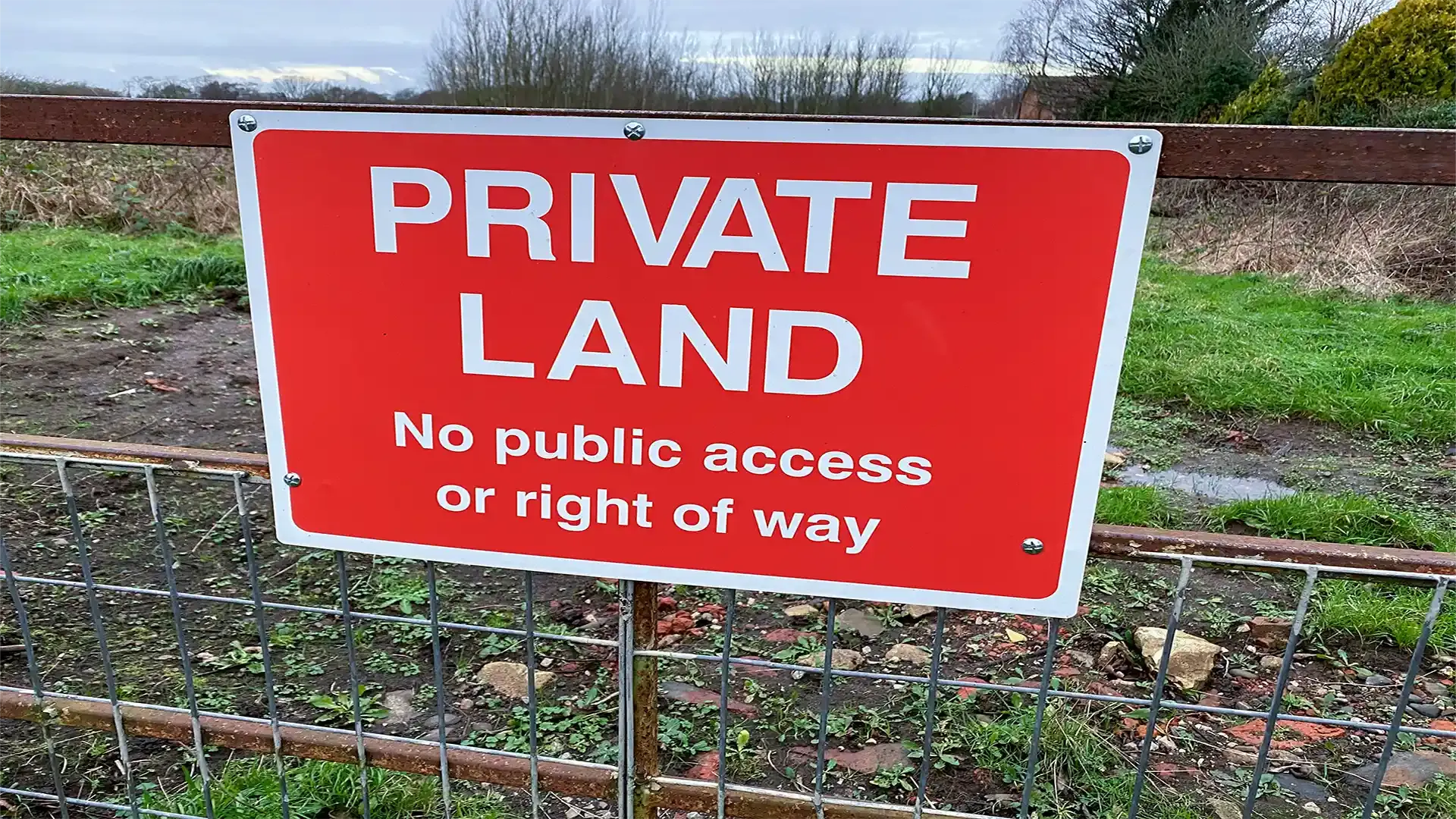
Knick v. Township of Scott (2019) arose from a Pennsylvania ordinance requiring that “all cemeteries” be open to the public during daylight hours and authorizing inspections to locate graveyards on private land. Rose Mary Knick, who owns a 90-acre parcel with a small family burial site, sought declaratory and injunctive relief in state court but did not file a state inverse-condemnation claim; the township then stayed enforcement, and the state court declined equitable relief. She filed a §1983 action in federal court alleging a Fifth Amendment taking; the district court dismissed under Williamson County, and the Third Circuit affirmed. The Supreme Court (argued Oct. 3, 2018; reargued Jan. 16, 2019; decided June 21, 2019) reversed, holding that a government violates the Takings Clause when it takes property without compensation and that a property owner may bring a federal takings claim at that time; the Court overruled Williamson County’s state-litigation requirement and vacated and remanded.
The Court explained that San Remo Hotel’s “preclusion trap” showed Williamson County was unworkable, reaffirmed that compensation may be provided after the taking (equitable relief is generally unavailable if an adequate compensation remedy exists), and restored immediate federal-forum access via §1983 for uncompensated takings. For real estate context, the decision shifts many property-rights disputes like access mandates affecting private land, land-use controls, and similar local regulations into federal court sooner, even as state law continues to define most property interests and land-use regulation remains primarily a state and local function. These points are grounded in the opinion’s discussion of ripeness and remedies and in scholarship describing property law’s state-law foundations.
2012 to 2019: Key Events in Knick v. Township of Scott and Real Estate Property Rights
2012 – Township Ordinance Mandates Cemetery Access
Scott Township, Pennsylvania, passed an ordinance requiring that all cemeteries be kept open to the public during daylight hours and authorizing inspections of private property to locate graveyards. Rose Mary Knick, who owned a 90-acre tract containing a small family cemetery, was cited for violating the ordinance. She sought declaratory and injunctive relief in state court, but after the township withdrew enforcement, the court found no irreparable harm and denied relief.
2017 – Third Circuit Upholds Dismissal Under Williamson County
Knick then filed suit in federal district court under §1983, arguing that the ordinance violated the Takings Clause. The district court dismissed her claim under Williamson County Regional Planning Comm’n v. Hamilton Bank, which required property owners to first pursue compensation in state court. The Third Circuit affirmed, keeping in place the procedural barrier to federal takings claims.
October 3, 2018 – First Supreme Court Argument Examines Ripeness
The Supreme Court heard oral argument on whether a taking without compensation gives rise to an immediate federal claim or whether state inverse-condemnation proceedings must come first. The Justices probed the so-called San Remo Hotel “preclusion trap,” which could prevent landowners from ever reaching federal court. The case was set for re-argument later in the Term.
January 16, 2019 – Re-Argument Considers Federal Forum Access
At re-argument, the Court revisited whether the Fifth Amendment injury occurs at the moment of the uncompensated taking. The Justices questioned whether §1983 guarantees a federal forum for property owners, just as it does for other constitutional claims. The stage was set for a major ruling on federal jurisdiction over takings cases.
June 21, 2019 – Supreme Court Overrules Williamson County and Opens Federal Courts
In a 5–4 decision authored by Chief Justice Roberts, the Supreme Court ruled that a government violates the Takings Clause the instant it takes property without compensation. The Court overruled the Williamson County state-litigation requirement, holding that landowners like Knick may go directly to federal court under §1983. By vacating and remanding the case, the Court closed with a landmark shift in property-rights and real estate litigation, ensuring immediate federal access for takings claims.
Expert Witness Roles in Knick v. Township of Scott: Real Estate and Takings Litigation
-
Real Estate Expert Witness
Real estate experts are often engaged in takings litigation to explain how ordinances or access mandates affect private property use, ownership rights, and land value. They provide context about land-use restrictions, property access, and regulatory impacts on property rights. Their insight helps courts understand how government actions intersect with established real estate law and property interests.
-
Land Use and Zoning Expert Witnesses
Land use and zoning experts are usually called in to evaluate how local ordinances shape permissible uses of land and whether such regulations interfere with owners’ rights. They can discuss how land-use controls balance public interests with private ownership. Their testimony can clarify how local rules function within state property law frameworks.
-
Property Valuation Expert Witness
Property valuation experts are often engaged in takings cases to assess how government actions, such as access ordinances or use restrictions, affect the market value of real estate. They provide analyses of fair market value, diminution in property worth, and compensation calculations in the event of a taking. Their insights help courts connect legal rulings to measurable economic impacts on landowners.
-
Municipal Construction Expert Witness
Municipal construction experts are often engaged to evaluate how local governments design, implement, and enforce rules tied to public works and property regulation. They examine compliance with zoning, building codes, and ordinances that affect private land, including how infrastructure planning or access requirements interact with real estate rights. Their perspective connects government ordinances to broader impacts on landowners and municipal policy.
Key Legal Insights from Knick v. Township of Scott for Real Estate Takings Cases
-
Eliminate Procedural Traps in Federal Takings Claims
The Court’s ruling ended the Williamson County “state-litigation” rule, which had forced property owners into a procedural loop between state and federal courts. Attorneys should now frame takings claims as immediately ripe under §1983 once property is taken without compensation. This ensures federal courts remain open to real estate disputes where constitutional rights are at stake.
-
Anchor Takings Claims in the Moment of the Injury
The Court emphasized that a constitutional violation occurs at the time property is taken without payment, not after state remedies are pursued. Legal teams should plead facts showing how government action created an immediate injury. This approach strengthens the timing of federal jurisdiction and highlights the economic impact on real estate owners.
-
Integrate Valuation Evidence into Litigation Strategy
Attorneys should introduce clear valuation analyses early to demonstrate the financial consequences of ordinances, access mandates, or land-use restrictions. These assessments provide measurable support in real estate cases for compensation arguments.
-
Examine Municipal Regulations as Part of Case Preparation
The ordinance requiring cemetery access shows how local laws can directly interfere with private property rights. Attorneys should closely evaluate the language, purpose, and enforcement mechanisms of municipal regulations to determine constitutional conflicts. This strategy is critical in cases involving zoning, land-use ordinances, and other real estate controls.
-
Frame Real Estate Disputes Within Broader Constitutional Protections
Knick illustrates how property rights are firmly embedded within the Fifth Amendment and deserve equal footing with other constitutional claims. Lawyers should highlight this principle when defending landowners against uncompensated takings or restrictive ordinances. Positioning real estate disputes within the constitutional framework ensures stronger claims and greater clarity for federal courts.
Conclusion
Knick v. Township of Scott marked a pivotal moment in takings jurisprudence by overruling the Williamson County state-litigation rule and restoring immediate access to federal courts for uncompensated takings claims. The Supreme Court clarified that the constitutional violation occurs at the moment of the taking, not after state remedies are exhausted, closing a procedural loophole that had long hindered property owners. This decision reshaped the landscape of Fifth Amendment litigation by ensuring that federal courts are open to claims the instant government action impacts private property.
The ruling carries significant implications for real estate disputes, where ordinances, zoning rules, or access mandates often affect the use and value of land. By allowing property owners to bring takings claims directly in federal court, the Court reinforced protections for private property against local and municipal regulations that may intrude on ownership rights. For attorneys, the case underscores the importance of integrating valuation evidence, land-use analysis, and constitutional arguments when handling real estate litigation that involves the balance between public policy and private property rights.
Frequently Asked Questions
What was Knick v. Township of Scott about?
The case arose after Scott Township, Pennsylvania, required that all cemeteries be open to the public during daylight hours, including those on private land. Rose Mary Knick, a landowner with a small family cemetery on her property, challenged the ordinance as a taking without just compensation. The dispute reached the Supreme Court after lower courts dismissed her federal claim under Williamson County.
What did the Supreme Court decide in Knick v. Township of Scott?
On June 21, 2019, the Court held that a property owner suffers a constitutional violation at the moment the government takes property without payment. The ruling overruled Williamson County’s requirement to first seek relief in state court. This opened the door for immediate federal review under §1983.
Why was the case important for property owners?
The decision eliminated a procedural barrier that often blocked landowners from federal courts. Property owners can now directly pursue federal claims when they believe local government action constitutes an uncompensated taking. This provides stronger protection for real estate rights under the Fifth Amendment.
How did the Court view the role of state courts?
Before Knick, state courts were the first stop for takings claims under Williamson County. The Court found this created a “Catch-22,” where losing in state court barred federal review. By overruling that rule, the Court ensured property disputes affecting real estate could be heard in federal forums without exhaustion of state remedies.
What was the broader legal impact of the ruling?
The decision reshaped takings jurisprudence by putting property rights on equal footing with other constitutional protections. It also clarified that equitable relief is limited, but monetary compensation must be available when government actions burden private property. This change has wide effects on real estate litigation involving zoning, access rights, and land-use restrictions.
How does the case affect future real estate disputes?
Future landowners facing ordinances or regulations that reduce property value or limit access can file directly in federal court. Attorneys now prepare cases by emphasizing immediate injury and integrating valuation evidence early. The ruling ensures that real estate takings claims receive timely federal consideration.
References
- Knick v. Township of Scott
- Knick v. Township of Scott
- Knick v. Township of Scott: Ending a Catch-22 that Barred Takings Cases from Federal Court
- Knick v. Township of Scott: The End of a Legal Catch-22 and What This Means for Future Fifth Amendment Takings Cases
- Not Just a Procedural Case: The Substantive Implications of Knick for State Property Law and Federal Takings Doctrine
- Knick v. Township of Scott
- Knick v. Township of Scott, Pennsylvania, et al. (2019)
