Defective Medical Implants and the Mass Tort Response
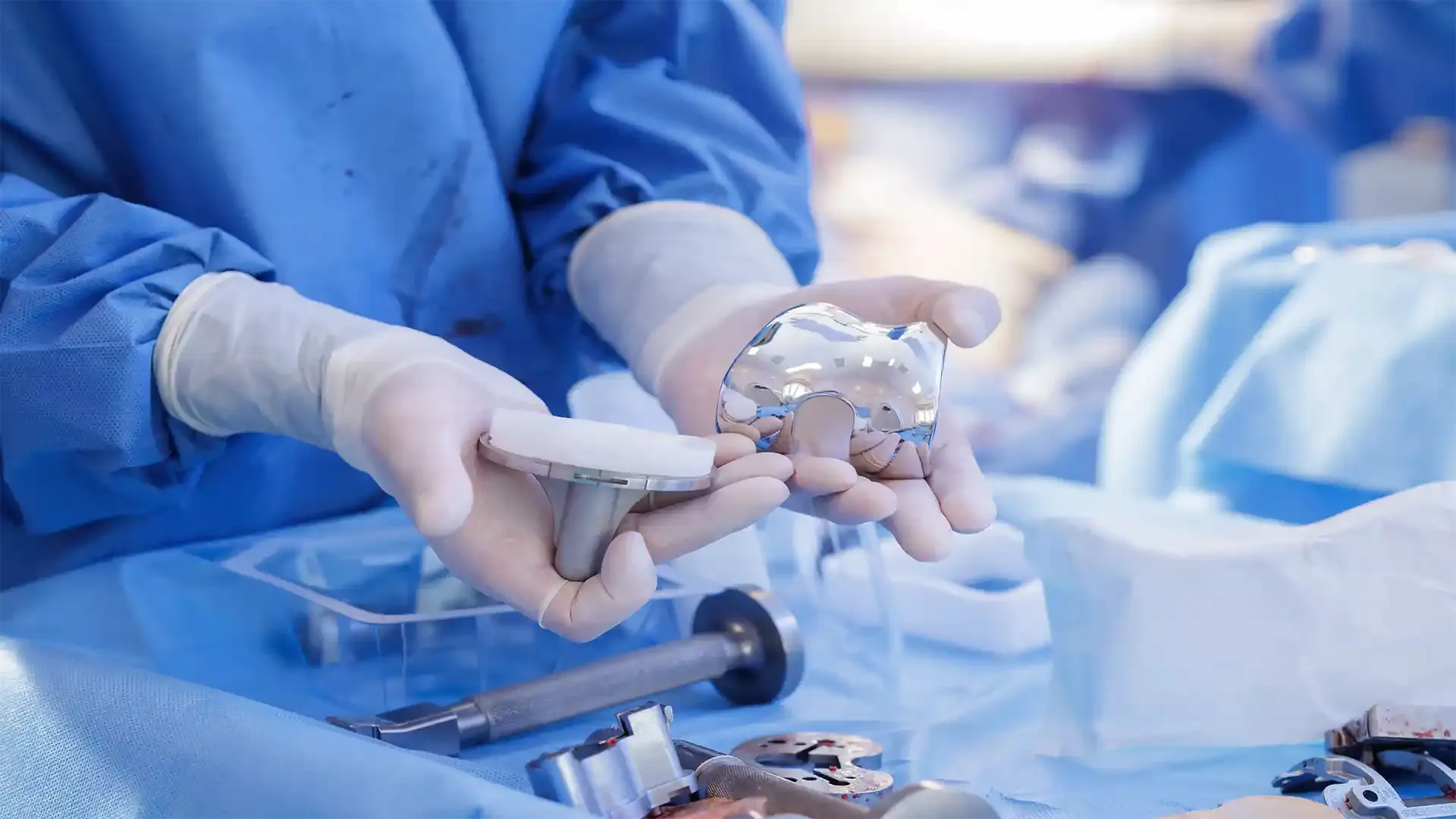
The Sulzer Hip and Knee Implant Litigation stemmed from a widespread medical device failure that impacted thousands of patients across the United States. In late 2000, Sulzer Orthopedics, Inc. initiated a voluntary recall of its Inter-Op acetabular shell hip implants after discovering that a lubricant residue from the manufacturing process prevented proper bonding with patients’ bone tissue. This defect caused implant loosening, severe pain, and often required revision surgery. By 2001, lawsuits flooded state and federal courts, prompting the formation of Multidistrict Litigation (MDL No. 1401) in the U.S. District Court for the Northern District of Ohio. The litigation expanded in scope to include Natural Knee II Tibial Baseplate implants, which exhibited similar issues. More than 2,000 federal and state court actions were centralized under Judge Kathleen M. O’Malley, and over 4,000 patients had undergone corrective surgeries by the time of settlement approval.
This case became a landmark in product safety litigation due to its scope, coordination, and innovative settlement structure. In 2002, a revised $1 billion class action settlement was approved, nearly doubling initial payouts and accounting for different injury categories, medical complications, and legal fees. The court imposed strict safeguards around contingent attorney fees and common benefit awards, ensuring equitable distribution among claimants. Legal scholars and practitioners cited the case as a model for managing mass torts involving defective medical products, and the proceedings highlighted the importance of transparency in class actions. The Sulzer case set a precedent in how courts handle large-scale claims involving faulty implants, reshaping expectations in medical device accountability and legal oversight.
Timeline of the Sulzer Hip and Knee Implant Litigation: A Landmark in Product Safety Disputes
December 2000 – Sulzer Recalls Inter-Op Hip Implants Over Manufacturing Defect
Sulzer Orthopedics, Inc. issued a voluntary recall of approximately 25,000–30,000 of its Inter-Op acetabular shell hip implants after discovering that a lubricant residue remained on the surface of the devices. This residue interfered with the bone bonding process, causing the implants to loosen post-surgery. Patients reported severe groin pain and limited mobility, and many required revision surgeries to replace the defective implants. This recall triggered a flood of lawsuits across multiple states and marked the beginning of one of the most significant product safety litigations in U.S. medical device history.
May 2001 – Sulzer Discloses Defects in Natural Knee II Baseplates
Five months after the hip implant recall, Sulzer issued a “special notification” regarding its Natural Knee II Tibial Baseplate implants, warning of similar bonding issues due to residue contamination. Approximately 1,600 units were affected, and at least 580 revision surgeries had already been reported. Sulzer requested the return of unused units and notified surgeons of potential adverse outcomes. This second wave of product defects expanded the litigation to include affected knee implant recipients.
June 19, 2001 – Federal MDL Created in Northern District of Ohio
As lawsuits accumulated in state and federal courts, the Judicial Panel on Multidistrict Litigation centralized the federal actions into MDL No. 1401, titled In re: Sulzer Hip Prosthesis and Knee Prosthesis Liability Litigation. The cases were assigned to Judge Kathleen M. O’Malley. At this point, more than 1,300 civil cases had been filed, and over 2,000 patients had been identified as impacted. This MDL formation allowed for coordinated pretrial discovery, settlement negotiations, and class certification proceedings.
August 2001 – Preliminary Class Certification and Initial Settlement Proposed
The court provisionally certified a class of all U.S. patients implanted with the affected Inter-Op Shells and granted preliminary approval of an Initial Settlement Agreement. However, the early proposal faced criticism for inadequate compensation and exclusion of other defective implant types. Negotiations continued as additional lawsuits and patient injuries came to light.
March 2002 – Final Revised Settlement Agreement Reached
A revised Final Settlement Agreement expanded coverage to include recipients of reprocessed Inter-Op shells and Natural Knee II baseplates, with benefit tiers depending on injury severity. Benefits ranged from $160,000 for revision surgeries to $800,000 for extraordinary injury claims, with provisions for legal fee reimbursements. The settlement also established a Claims Administrator Procedure for equitable distribution.
May 8, 2002 – Final Settlement Approved and Class Certified
Following a final fairness hearing, the court granted final approval of the settlement and certified the settlement class. On June 4, 2002, the settlement became irrevocable, securing a $1 billion resolution for over 4,000 patients.
October 31, 2003 – Court Issues Order on Contingent Attorney Fees
The court invalidated post-February 2002 fee contracts that exceeded the permitted compensation. Attorneys were directed to return excess fees and seek reimbursement through the claims process, protecting claimants from overcharges.
August 25, 2004 – Summary Judgment Granted in Related Individual Suit
In Stahl v. Sulzer, the court upheld a private settlement and release signed prior to class action approval, barring the plaintiff from pursuing additional claims.
2005 – Injunctive Relief Enforced to Uphold Settlement Terms
The court issued permanent injunctive relief to prevent violations of the Settlement Agreement, reinforcing its binding nature and the court’s ongoing jurisdiction.
Expert Witnesses in the Sulzer Hip and Knee Implant Litigation
- Class Action Expert Witness: James J. McMonagle served as Claims Administrator, ensuring compliance with court-approved terms and equitable fund distribution.
- Product Safety Expert Witness: Often consulted to evaluate FDA compliance, contamination risks, and recall adequacy in defective medical device cases.
- Biomedical Engineering Expert Witness: Analyzed device design, bonding failures, and the effect of manufacturing residues on implant integration.
- Manufacturing and Quality Control Expert Witness: Examined fabrication processes, contamination removal failures, and systemic quality assurance lapses.
- Orthopedic Surgery Expert Witness: Reviewed patient medical records, determined causation, and assessed revision surgery necessity linked to defective implants.
Legal Strategies and Lessons from the Sulzer Implant Class Action
- Centralizing Complex Litigation Through MDL Enhances Efficiency: MDL No. 1401 streamlined over 1,300 lawsuits for consistent rulings and coordinated settlements.
- Expand Settlement Scope to Address All Affected Product Variants: Revised agreements should include all defective product types to prevent exclusion disputes.
- Settlement Structures Must Balance Fair Compensation with Administrative Clarity: Tiered benefit models simplify claims processing and reduce disputes.
- Preemptive Control of Attorney Fees Preserves Class Member Trust: Judicial enforcement of fee limitations ensures fairness.
- Long-Term Oversight Ensures Settlement Integrity: Post-settlement monitoring helps uphold compliance and resolve future conflicts.
Conclusion
The Sulzer Hip and Knee Implant Litigation remains one of the most significant mass tort cases involving defective medical devices in U.S. history. It demonstrated the need for transparency, structured compensation, and ongoing judicial oversight in large-scale product safety disputes. The case also highlighted the indispensable role of expert witnesses in product design, manufacturing oversight, and medical causation analysis.