Trademarks, +7
Healthcare
Loading
Healthcare
5 min read
Areas of Expertise :
Materials Science, Medical Devices, Biomedical Engineering, Orthopedic Surgery, Product Liability

Published Date:
Last Modified Date:
Jurisdiction:
Federal. Sixth Circuit
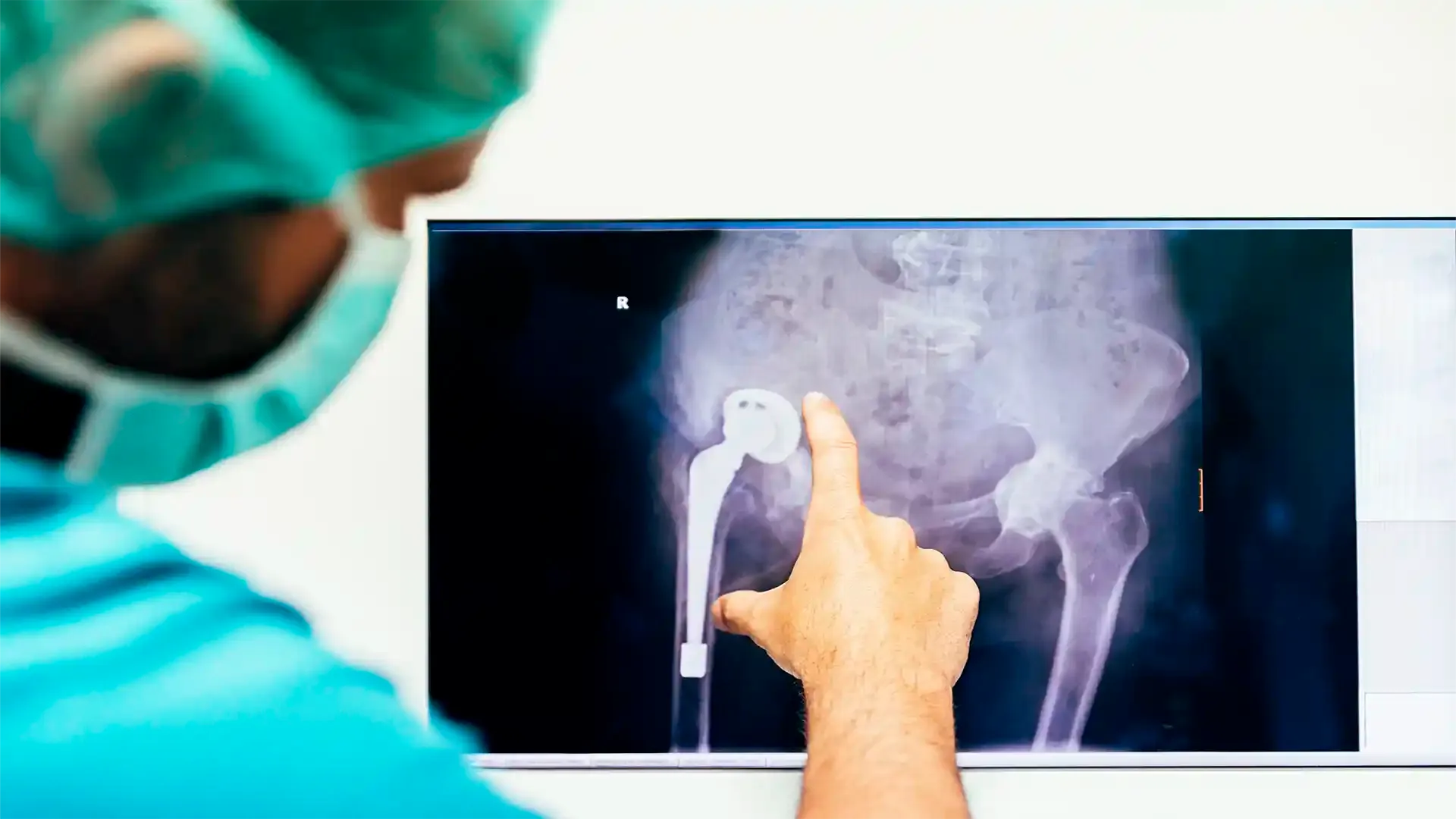
The multidistrict litigation (MDL) titled In re: DePuy Orthopaedics, Inc., ASR Hip Implant Products Liability Litigation, MDL No. 2197, is a significant example of how materials science intersects with product liability litigation. The case involved thousands of lawsuits consolidated in the U.S. District Court for the Northern District of Ohio concerning allegations that metal-on-metal hip implants manufactured by DePuy Orthopaedics, a Johnson & Johnson subsidiary, failed at a higher-than-expected rate. This litigation brought together legal, regulatory, and scientific issues related to the long-term performance of medical implant materials. It involved assessments of device design, metal degradation, and patient outcomes, highlighting the role of expert analysis in shaping the course and resolution of high-volume product liability claims.
Between 2005 and 2010, DePuy Orthopaedics marketed and sold the ASR XL Acetabular System and the ASR Hip Resurfacing System in the United States and internationally. These hip replacement systems featured a metal-on-metal design utilizing cobalt-chromium alloy components. Although the devices were legally marketed, concerns were raised about potential early failure, implant wear, and complications that necessitated revision surgeries.
Healthcare professionals and regulators began to report complications associated with the ASR systems, including joint pain, inflammation, and device loosening. Internal data reportedly showed higher than expected revision rates. These developments raised legal questions about medical device safety reporting, risk mitigation, and materials testing during postmarket surveillance.
On August 26, 2010, DePuy voluntarily recalled the ASR hip systems after the UK National Joint Registry reported a high five-year revision rate. This recall led to increased scrutiny over the implant’s durability, biological compatibility, and the company's compliance with medical device safety regulations. The recall served as the catalyst for thousands of product defect lawsuits and claims of medical harm.
The U.S. Judicial Panel on Multidistrict Litigation consolidated federal lawsuits into MDL No. 2197 and transferred them to the Northern District of Ohio. Under Judge David A. Katz, the litigation focused on shared discovery, materials failure analysis, expert witness depositions, and coordination across thousands of product liability claims.
On November 19, 2013, Johnson & Johnson and DePuy announced a $2.5 billion settlement agreement to resolve approximately 8,000 defective hip implant claims involving patients who had undergone revision surgery. Expert reports detailing wear rates, corrosion, and toxicological concerns were central to the resolution. The settlement included base compensation and tiers for more severe injuries.
To address claimants with later revision surgeries, DePuy expanded the settlement program in 2015 and 2017. These additional payouts underscored the continuing impact of implant performance concerns and the role of materials degradation in litigation outcomes. Medical device litigation attorneys relied heavily on expert evaluations of metallurgical breakdown, biocompatibility, and toxic exposure.
Court:
United States District Court for the Northern District of Ohio
Case Name:
In re: DePuy Orthopaedics, Inc., ASR Hip Implant Products Liability Litigation
Implantable Medical Devices
Biomaterials
Corrosion Engineering
Surgical Implants
Materials Testing
Metal Corrosion
Product Recalls
Pharmaceutical Product Liability
The multidistrict litigation (MDL) titled In re: DePuy Orthopaedics, Inc., ASR Hip Implant Products Liability Litigation, MDL No. 2197, is a significant example of how materials science intersects with product liability litigation. The case involved thousands of lawsuits consolidated in the U.S. District Court for the Northern District of Ohio concerning allegations that metal-on-metal hip implants manufactured by DePuy Orthopaedics, a Johnson & Johnson subsidiary, failed at a higher-than-expected rate. This litigation brought together legal, regulatory, and scientific issues related to the long-term performance of medical implant materials. It involved assessments of device design, metal degradation, and patient outcomes, highlighting the role of expert analysis in shaping the course and resolution of high-volume product liability claims.
Between 2005 and 2010, DePuy Orthopaedics marketed and sold the ASR XL Acetabular System and the ASR Hip Resurfacing System in the United States and internationally. These hip replacement systems featured a metal-on-metal design utilizing cobalt-chromium alloy components. Although the devices were legally marketed, concerns were raised about potential early failure, implant wear, and complications that necessitated revision surgeries.
Healthcare professionals and regulators began to report complications associated with the ASR systems, including joint pain, inflammation, and device loosening. Internal data reportedly showed higher than expected revision rates. These developments raised legal questions about medical device safety reporting, risk mitigation, and materials testing during postmarket surveillance.
On August 26, 2010, DePuy voluntarily recalled the ASR hip systems after the UK National Joint Registry reported a high five-year revision rate. This recall led to increased scrutiny over the implant’s durability, biological compatibility, and the company's compliance with medical device safety regulations. The recall served as the catalyst for thousands of product defect lawsuits and claims of medical harm.
The U.S. Judicial Panel on Multidistrict Litigation consolidated federal lawsuits into MDL No. 2197 and transferred them to the Northern District of Ohio. Under Judge David A. Katz, the litigation focused on shared discovery, materials failure analysis, expert witness depositions, and coordination across thousands of product liability claims.
On November 19, 2013, Johnson & Johnson and DePuy announced a $2.5 billion settlement agreement to resolve approximately 8,000 defective hip implant claims involving patients who had undergone revision surgery. Expert reports detailing wear rates, corrosion, and toxicological concerns were central to the resolution. The settlement included base compensation and tiers for more severe injuries.
To address claimants with later revision surgeries, DePuy expanded the settlement program in 2015 and 2017. These additional payouts underscored the continuing impact of implant performance concerns and the role of materials degradation in litigation outcomes. Medical device litigation attorneys relied heavily on expert evaluations of metallurgical breakdown, biocompatibility, and toxic exposure.
Materials Science Expert Witness
Materials scientists were essential in evaluating the failure mechanisms of the cobalt-chromium alloy used in the implants. They analyzed corrosion resistance, microstructural fatigue, and tribological properties using laboratory testing and scanning electron microscopy.
Biomedical Engineering Expert Witness
Biomedical engineers examined the biomechanical interaction between the implant and the human musculoskeletal system. Their analyses helped assess design flaws, range-of-motion limitations, and stress concentrations contributing to implant failure.
Orthopedic Surgery Expert Witness
Orthopedic surgeons contributed medical opinions on revision surgery outcomes, complications due to metallosis, and patterns of device failure observed during clinical procedures.
Toxicology and Biocompatibility Expert Witness
Toxicologists investigated systemic exposure to metal ions such as cobalt and chromium, evaluating long-term health impacts, including soft tissue damage and elevated metal levels in the bloodstream.
Regulatory and FDA Compliance Expert Witness
Regulatory experts reviewed DePuy’s compliance with FDA requirements, including postmarket surveillance, adverse event reporting, and recall processes. Their findings informed legal arguments concerning corporate responsibility and safety communication.
Engaging Materials Science Experts Early Is Key: Device failure litigation benefits from early involvement of experts in corrosion analysis, biomaterials, and fatigue testing.
Regulatory Compliance Does Not Immunize from Liability: Plaintiffs may proceed with state law claims that parallel federal medical device safety standards.
Wear Simulation and Lab Testing Drive Causation Arguments: Quantitative data on implant performance often serves as persuasive evidence in court and during settlement negotiations.
Multidisciplinary Collaboration Strengthens Case Strategy: Working with orthopedic, toxicology, and engineering experts ensures thorough evaluation of all technical aspects.
The ASR Hip Implant litigation exemplifies how materials science influences medical device product liability cases. From metallurgical degradation to systemic toxicity, the technical evidence guided legal arguments, informed case valuations, and influenced outcomes. As medical implant technology evolves, the role of materials science experts in defective product litigation will remain significant.

What made the ASR hip implant the subject of litigation?
The metal-on-metal design allegedly resulted in premature wear, particle release, and revision surgeries, raising questions about device reliability and patient safety.
What role did materials science play in the litigation?
Materials scientists assessed the failure rates, corrosion behavior, and metallurgical integrity of the implant components.
Was this litigation part of a class action?
No. The case was handled through multidistrict litigation (MDL), allowing for coordinated discovery while maintaining individual claims.
Does FDA approval limit manufacturer liability?
Not in all cases. Plaintiffs can pursue claims that parallel federal standards or focus on alleged postmarket negligence.
How were claimants compensated?
A $2.5 billion global settlement was announced in 2013, with additional settlements in 2015 and 2017 for later revision surgeries.
Materials Science Expert Witness
Materials scientists were essential in evaluating the failure mechanisms of the cobalt-chromium alloy used in the implants. They analyzed corrosion resistance, microstructural fatigue, and tribological properties using laboratory testing and scanning electron microscopy.
Biomedical Engineering Expert Witness
Biomedical engineers examined the biomechanical interaction between the implant and the human musculoskeletal system. Their analyses helped assess design flaws, range-of-motion limitations, and stress concentrations contributing to implant failure.
Orthopedic Surgery Expert Witness
Orthopedic surgeons contributed medical opinions on revision surgery outcomes, complications due to metallosis, and patterns of device failure observed during clinical procedures.
Toxicology and Biocompatibility Expert Witness
Toxicologists investigated systemic exposure to metal ions such as cobalt and chromium, evaluating long-term health impacts, including soft tissue damage and elevated metal levels in the bloodstream.
Regulatory and FDA Compliance Expert Witness
Regulatory experts reviewed DePuy’s compliance with FDA requirements, including postmarket surveillance, adverse event reporting, and recall processes. Their findings informed legal arguments concerning corporate responsibility and safety communication.
Engaging Materials Science Experts Early Is Key: Device failure litigation benefits from early involvement of experts in corrosion analysis, biomaterials, and fatigue testing.
Regulatory Compliance Does Not Immunize from Liability: Plaintiffs may proceed with state law claims that parallel federal medical device safety standards.
Wear Simulation and Lab Testing Drive Causation Arguments: Quantitative data on implant performance often serves as persuasive evidence in court and during settlement negotiations.
Multidisciplinary Collaboration Strengthens Case Strategy: Working with orthopedic, toxicology, and engineering experts ensures thorough evaluation of all technical aspects.
The ASR Hip Implant litigation exemplifies how materials science influences medical device product liability cases. From metallurgical degradation to systemic toxicity, the technical evidence guided legal arguments, informed case valuations, and influenced outcomes. As medical implant technology evolves, the role of materials science experts in defective product litigation will remain significant.
What made the ASR hip implant the subject of litigation?
The metal-on-metal design allegedly resulted in premature wear, particle release, and revision surgeries, raising questions about device reliability and patient safety.
What role did materials science play in the litigation?
Materials scientists assessed the failure rates, corrosion behavior, and metallurgical integrity of the implant components.
Was this litigation part of a class action?
No. The case was handled through multidistrict litigation (MDL), allowing for coordinated discovery while maintaining individual claims.
Does FDA approval limit manufacturer liability?
Not in all cases. Plaintiffs can pursue claims that parallel federal standards or focus on alleged postmarket negligence.
How were claimants compensated?
A $2.5 billion global settlement was announced in 2013, with additional settlements in 2015 and 2017 for later revision surgeries.
Medical Devices, +4
Healthcare
Healthcare, +4
Healthcare