Oil And Gas, +5
Oil and Gas
Loading
Oil and Gas
7 min read
Areas of Expertise :
Pipelines, Corrosion, Environmental Engineering, Oil Spill, Ecology

Published Date:
Last Modified Date:
Jurisdiction:
Federal. Ninth Circuit
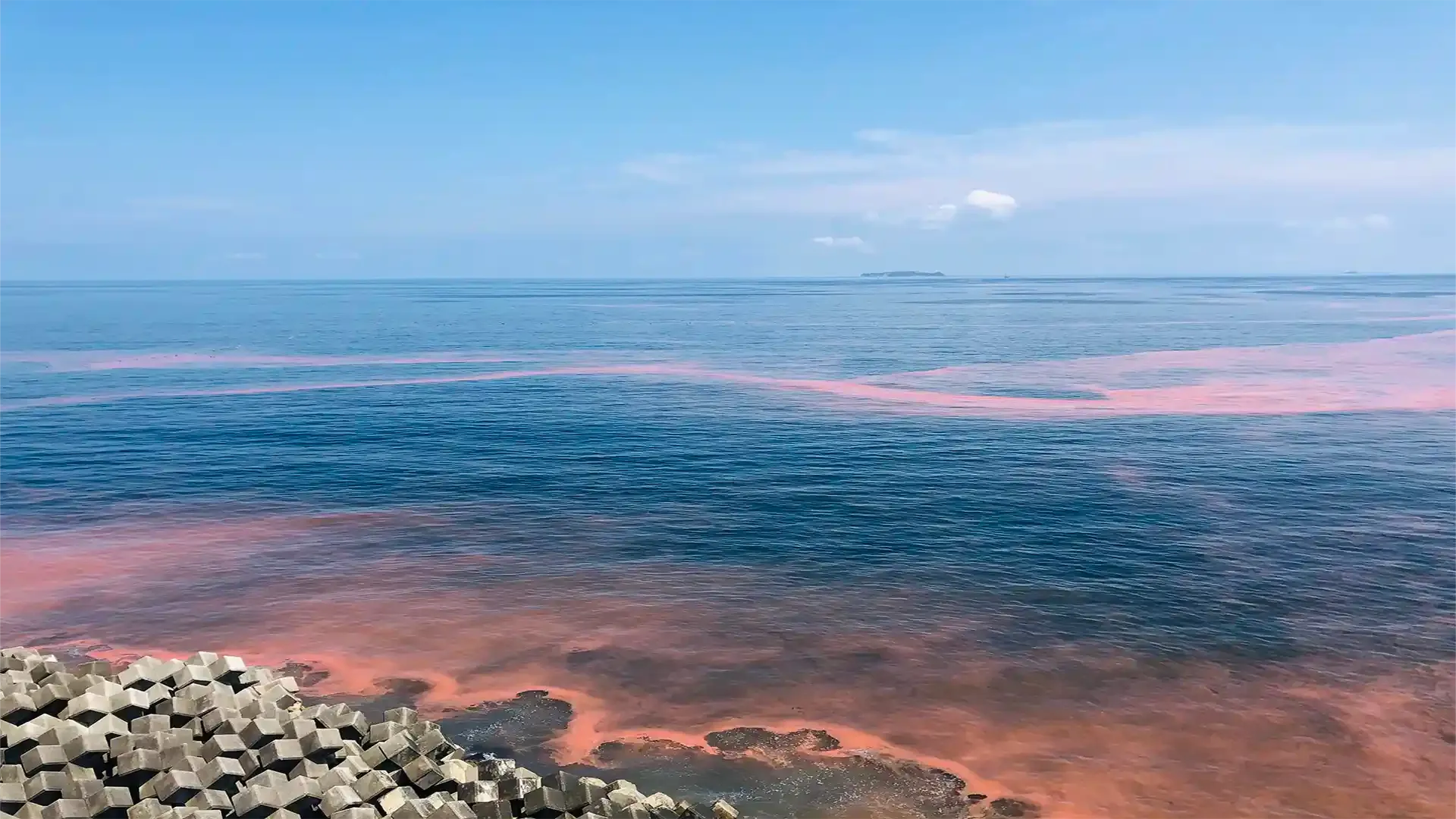
On May 19, 2015, Plains All American Pipeline, L.P.’s Line 901 crude oil pipeline ruptured near Refugio State Beach in Santa Barbara County, California. The onshore hazardous liquid pipeline released crude oil that flowed across adjacent land, passed through a culvert beneath U.S. Highway 101, and entered the Pacific Ocean, contaminating stretches of the California coastline and prompting a large-scale emergency response.
The Pipeline and Hazardous Materials Safety Administration (PHMSA), which regulates hazardous liquid pipelines under 49 C.F.R. Part 195, conducted a formal failure investigation. In its report, effective April 7, 2017, PHMSA concluded that external corrosion had reduced the pipe’s wall thickness below safe operating limits. Federal regulators identified deficiencies relating to corrosion monitoring, integrity management implementation, and anomaly response procedures. These technical findings became central reference points across multiple legal proceedings.
The rupture set off parallel tracks of enforcement and litigation. State prosecutors pursued criminal charges under California law, federal and state authorities initiated civil enforcement that resulted in a consent decree, trustees commenced Natural Resource Damage Assessment processes under environmental statutes, and private plaintiffs filed civil suits alleging property damage and economic losses. Over several years, the matter evolved into one of the most prominent California pipeline corrosion cases of the past decade, illustrating how infrastructure failures can generate layered liability across criminal, regulatory, and civil forums.
A segment of Line 901 failed due to advanced external corrosion. Oil migrated across land, entered a drainage culvert beneath U.S. Highway 101, and discharged into the Pacific Ocean. Response efforts were coordinated among Plains, the U.S. Coast Guard acting under the Oil Pollution Act framework, the California Office of Emergency Services, and multiple state and federal agencies. Early investigative focus centered on corrosion growth rates, in-line inspection interpretation, and compliance with federal hazardous liquid pipeline integrity management regulations.
The California Attorney General and the Santa Barbara County District Attorney announced a grand jury indictment charging Plains entities and an individual employee with felony and misdemeanor violations. The charges alleged failures in pipeline maintenance, reporting, and environmental protection obligations under California law. Criminal prosecution of infrastructure maintenance failures is relatively uncommon, which elevated the enforcement posture of this case within the energy sector.
After a multi-month jury trial in Santa Barbara County Superior Court, Plains was found guilty of one felony count for failing to properly maintain its pipeline, resulting in the discharge of crude oil, along with multiple misdemeanor counts involving reporting and wildlife-related violations. The verdict demonstrated that pipeline integrity failures tied to environmental harm could meet criminal standards when maintenance obligations are deemed insufficient.
On April 25, 2019, the court imposed $3,347,650 in fines and penalty assessments. While the monetary penalties were modest compared to subsequent civil settlements, the felony conviction carried regulatory and reputational consequences that extended beyond the immediate financial impact.
On March 13, 2020, the U.S. Department of Justice announced a federal and state civil settlement resolving environmental claims arising from the spill. The consent decree, entered in the U.S. District Court following public comment, addressed liability under federal environmental statutes, including Clean Water Act provisions and Oil Pollution Act frameworks.
The settlement required Plains to pay more than $60 million in civil penalties, cleanup costs, and natural resource-related claims, and to implement enhanced operational safeguards and integrity management improvements. The decree reflected how technical corrosion findings by PHMSA intersected with broader environmental enforcement authority. It also shows that regulatory compliance failures may carry financial consequences beyond agency-imposed administrative penalties.
On September 20, 2022, the U.S. District Court for the Central District of California granted final approval to a $230 million class settlement resolving private civil claims. Plaintiffs, including property owners and commercial fishing interests, alleged property damage, economic loss, and diminished value associated with the spill. The settlement represented one of the largest private civil resolutions arising from a California onshore pipeline rupture and illustrated the distinct exposure created by tort-based claims separate from governmental enforcement.
On November 12, 2024, the California State Lands Commission announced a $72.5 million settlement resolving additional claims tied to impacts on state-owned coastal resources. With this agreement, the principal governmental and private compensation proceedings associated with the Refugio Beach incident reached resolution.
Court:
United States District Court for the Central District of California
Case Name:
Andrews v. Plains All American Pipeline, L.P.
Corrosion Engineering
Environmental Contamination
Environmental Remediation
Environmental Toxicology
Marine Ecosystem
Marine Biodiversity
Fishing
Energy industry
On May 19, 2015, Plains All American Pipeline, L.P.’s Line 901 crude oil pipeline ruptured near Refugio State Beach in Santa Barbara County, California. The onshore hazardous liquid pipeline released crude oil that flowed across adjacent land, passed through a culvert beneath U.S. Highway 101, and entered the Pacific Ocean, contaminating stretches of the California coastline and prompting a large-scale emergency response.
The Pipeline and Hazardous Materials Safety Administration (PHMSA), which regulates hazardous liquid pipelines under 49 C.F.R. Part 195, conducted a formal failure investigation. In its report, effective April 7, 2017, PHMSA concluded that external corrosion had reduced the pipe’s wall thickness below safe operating limits. Federal regulators identified deficiencies relating to corrosion monitoring, integrity management implementation, and anomaly response procedures. These technical findings became central reference points across multiple legal proceedings.
The rupture set off parallel tracks of enforcement and litigation. State prosecutors pursued criminal charges under California law, federal and state authorities initiated civil enforcement that resulted in a consent decree, trustees commenced Natural Resource Damage Assessment processes under environmental statutes, and private plaintiffs filed civil suits alleging property damage and economic losses. Over several years, the matter evolved into one of the most prominent California pipeline corrosion cases of the past decade, illustrating how infrastructure failures can generate layered liability across criminal, regulatory, and civil forums.
A segment of Line 901 failed due to advanced external corrosion. Oil migrated across land, entered a drainage culvert beneath U.S. Highway 101, and discharged into the Pacific Ocean. Response efforts were coordinated among Plains, the U.S. Coast Guard acting under the Oil Pollution Act framework, the California Office of Emergency Services, and multiple state and federal agencies. Early investigative focus centered on corrosion growth rates, in-line inspection interpretation, and compliance with federal hazardous liquid pipeline integrity management regulations.
The California Attorney General and the Santa Barbara County District Attorney announced a grand jury indictment charging Plains entities and an individual employee with felony and misdemeanor violations. The charges alleged failures in pipeline maintenance, reporting, and environmental protection obligations under California law. Criminal prosecution of infrastructure maintenance failures is relatively uncommon, which elevated the enforcement posture of this case within the energy sector.
After a multi-month jury trial in Santa Barbara County Superior Court, Plains was found guilty of one felony count for failing to properly maintain its pipeline, resulting in the discharge of crude oil, along with multiple misdemeanor counts involving reporting and wildlife-related violations. The verdict demonstrated that pipeline integrity failures tied to environmental harm could meet criminal standards when maintenance obligations are deemed insufficient.
On April 25, 2019, the court imposed $3,347,650 in fines and penalty assessments. While the monetary penalties were modest compared to subsequent civil settlements, the felony conviction carried regulatory and reputational consequences that extended beyond the immediate financial impact.
On March 13, 2020, the U.S. Department of Justice announced a federal and state civil settlement resolving environmental claims arising from the spill. The consent decree, entered in the U.S. District Court following public comment, addressed liability under federal environmental statutes, including Clean Water Act provisions and Oil Pollution Act frameworks.
The settlement required Plains to pay more than $60 million in civil penalties, cleanup costs, and natural resource-related claims, and to implement enhanced operational safeguards and integrity management improvements. The decree reflected how technical corrosion findings by PHMSA intersected with broader environmental enforcement authority. It also shows that regulatory compliance failures may carry financial consequences beyond agency-imposed administrative penalties.
On September 20, 2022, the U.S. District Court for the Central District of California granted final approval to a $230 million class settlement resolving private civil claims. Plaintiffs, including property owners and commercial fishing interests, alleged property damage, economic loss, and diminished value associated with the spill. The settlement represented one of the largest private civil resolutions arising from a California onshore pipeline rupture and illustrated the distinct exposure created by tort-based claims separate from governmental enforcement.
On November 12, 2024, the California State Lands Commission announced a $72.5 million settlement resolving additional claims tied to impacts on state-owned coastal resources. With this agreement, the principal governmental and private compensation proceedings associated with the Refugio Beach incident reached resolution.
In corrosion-related rupture litigation, pipeline integrity experts examine in-line inspection tool data, corrosion growth modeling, wall-thickness measurements, maintenance records, and anomaly classification decisions. In matters like Line 901, such analysis typically addresses whether integrity management practices complied with PHMSA standards and whether corrosion severity was reasonably identified and mitigated before failure.
Environmental engineers evaluate oil migration pathways, shoreline contamination dynamics, containment strategies, and remediation performance. Their work frequently informs causation assessments, regulatory compliance analysis, and the reasonableness of response measures undertaken following a release.
Marine biologists and ecologists assess impacts to coastal habitats, marine species, fisheries, and ecosystem recovery timelines. Their evaluations commonly support Natural Resource Damage Assessments conducted by governmental trustees and contribute to restoration planning discussions.
Environmental toxicologists analyze crude oil composition, persistence in marine and shoreline environments, and exposure pathways affecting wildlife and potentially human receptors. Their findings often inform ecological risk assessments and long-term environmental monitoring considerations.
Energy industry experts review pipeline design, inspection intervals, anomaly response practices, and compliance systems to assess whether operational oversight aligns with regulatory expectations and industry standards.
Economic damages experts analyze business interruption claims, fisheries revenue losses, tourism impacts, and alleged property stigma. In large environmental incidents, distinguishing between temporary disruption and sustained market impairment often becomes central to settlement valuation.
In corrosion-driven rupture cases, the interpretation of inspection data and corrosion growth projections often affects liability narratives from the outset. Early technical engagement can influence settlement posture and evidentiary strategy across forums.
Criminal prosecution, PHMSA findings, environmental civil enforcement, and private tort claims may proceed simultaneously. Statements or findings in one proceeding can affect exposure and negotiation dynamics in others, requiring coordinated defense strategy.
Courts frequently scrutinize appraisal methodology in environmental stigma cases. Counsel must differentiate between demonstrable long-term impairment and short-term market reaction following high-visibility incidents.
Government-led Natural Resource Damage claims rely on statutory restoration frameworks that differ from compensatory damages sought by private plaintiffs. Understanding these distinctions is essential when assessing exposure and structuring settlements.
Large-scale spills often implicate layered insurance programs, pollution exclusions, and contractual indemnity provisions. Allocation disputes among operators, contractors, and insurers may become a substantial secondary phase of litigation.
In Refugio beach spill, it shows how a corrosion-related pipeline integrity failure can move beyond regulatory oversight into criminal accountability, civil enforcement, and large-scale private compensation. PHMSA’s technical findings regarding external corrosion informed subsequent proceedings but did not determine legal outcomes on their own. Each forum applied distinct statutory standards governing criminal responsibility, environmental penalties, restoration obligations, and tort-based damages.
Unlike many infrastructure incidents resolved exclusively through civil settlements, this matter included a felony conviction, a federal consent decree imposing compliance obligations, substantial private class settlements, and state resource compensation agreements. For operators and counsel, the case shows that corrosion monitoring, inspection interpretation, and documentation practices may later become focal points in both regulatory and courtroom scrutiny.

What were the primary legal proceedings arising from the Refugio Beach oil spill?
The incident resulted in a California state criminal prosecution, federal and state civil enforcement resolved through a consent decree, Natural Resource Damage Assessment processes, and private civil litigation involving property and economic loss claims.
What caused the Refugio Beach pipeline rupture?
PHMSA concluded that external corrosion reduced the pipeline’s wall thickness below safe operating limits, leading to the rupture.
What was the outcome of the criminal case?
In 2018, a Santa Barbara County jury found Plains guilty of one felony and multiple misdemeanor counts. On April 25, 2019, the court imposed $3,347,650 in fines and penalty assessments.
How were private civil claims resolved?
On September 20, 2022, the U.S. District Court granted final approval to a $230 million class settlement resolving claims by affected property owners and commercial fishing interests.
What compliance and risk management lessons did pipeline operators and energy companies take from the Refugio Beach litigation?
The Refugio Beach litigation highlighted that pipeline integrity programs must be actively implemented and carefully documented, particularly regarding corrosion monitoring and anomaly response under federal hazardous liquid pipeline regulations. The case showed that integrity management failures can lead to criminal liability, significant civil penalties, natural resource damage claims, and large private settlements. For operators, it reinforced the need for strong internal oversight, regulatory compliance systems, and coordinated risk management strategies to limit layered legal exposure.
In corrosion-related rupture litigation, pipeline integrity experts examine in-line inspection tool data, corrosion growth modeling, wall-thickness measurements, maintenance records, and anomaly classification decisions. In matters like Line 901, such analysis typically addresses whether integrity management practices complied with PHMSA standards and whether corrosion severity was reasonably identified and mitigated before failure.
Environmental engineers evaluate oil migration pathways, shoreline contamination dynamics, containment strategies, and remediation performance. Their work frequently informs causation assessments, regulatory compliance analysis, and the reasonableness of response measures undertaken following a release.
Marine biologists and ecologists assess impacts to coastal habitats, marine species, fisheries, and ecosystem recovery timelines. Their evaluations commonly support Natural Resource Damage Assessments conducted by governmental trustees and contribute to restoration planning discussions.
Environmental toxicologists analyze crude oil composition, persistence in marine and shoreline environments, and exposure pathways affecting wildlife and potentially human receptors. Their findings often inform ecological risk assessments and long-term environmental monitoring considerations.
Energy industry experts review pipeline design, inspection intervals, anomaly response practices, and compliance systems to assess whether operational oversight aligns with regulatory expectations and industry standards.
Economic damages experts analyze business interruption claims, fisheries revenue losses, tourism impacts, and alleged property stigma. In large environmental incidents, distinguishing between temporary disruption and sustained market impairment often becomes central to settlement valuation.
In corrosion-driven rupture cases, the interpretation of inspection data and corrosion growth projections often affects liability narratives from the outset. Early technical engagement can influence settlement posture and evidentiary strategy across forums.
Criminal prosecution, PHMSA findings, environmental civil enforcement, and private tort claims may proceed simultaneously. Statements or findings in one proceeding can affect exposure and negotiation dynamics in others, requiring coordinated defense strategy.
Courts frequently scrutinize appraisal methodology in environmental stigma cases. Counsel must differentiate between demonstrable long-term impairment and short-term market reaction following high-visibility incidents.
Government-led Natural Resource Damage claims rely on statutory restoration frameworks that differ from compensatory damages sought by private plaintiffs. Understanding these distinctions is essential when assessing exposure and structuring settlements.
Large-scale spills often implicate layered insurance programs, pollution exclusions, and contractual indemnity provisions. Allocation disputes among operators, contractors, and insurers may become a substantial secondary phase of litigation.
In Refugio beach spill, it shows how a corrosion-related pipeline integrity failure can move beyond regulatory oversight into criminal accountability, civil enforcement, and large-scale private compensation. PHMSA’s technical findings regarding external corrosion informed subsequent proceedings but did not determine legal outcomes on their own. Each forum applied distinct statutory standards governing criminal responsibility, environmental penalties, restoration obligations, and tort-based damages.
Unlike many infrastructure incidents resolved exclusively through civil settlements, this matter included a felony conviction, a federal consent decree imposing compliance obligations, substantial private class settlements, and state resource compensation agreements. For operators and counsel, the case shows that corrosion monitoring, inspection interpretation, and documentation practices may later become focal points in both regulatory and courtroom scrutiny.
What were the primary legal proceedings arising from the Refugio Beach oil spill?
The incident resulted in a California state criminal prosecution, federal and state civil enforcement resolved through a consent decree, Natural Resource Damage Assessment processes, and private civil litigation involving property and economic loss claims.
What caused the Refugio Beach pipeline rupture?
PHMSA concluded that external corrosion reduced the pipeline’s wall thickness below safe operating limits, leading to the rupture.
What was the outcome of the criminal case?
In 2018, a Santa Barbara County jury found Plains guilty of one felony and multiple misdemeanor counts. On April 25, 2019, the court imposed $3,347,650 in fines and penalty assessments.
How were private civil claims resolved?
On September 20, 2022, the U.S. District Court granted final approval to a $230 million class settlement resolving claims by affected property owners and commercial fishing interests.
What compliance and risk management lessons did pipeline operators and energy companies take from the Refugio Beach litigation?
The Refugio Beach litigation highlighted that pipeline integrity programs must be actively implemented and carefully documented, particularly regarding corrosion monitoring and anomaly response under federal hazardous liquid pipeline regulations. The case showed that integrity management failures can lead to criminal liability, significant civil penalties, natural resource damage claims, and large private settlements. For operators, it reinforced the need for strong internal oversight, regulatory compliance systems, and coordinated risk management strategies to limit layered legal exposure.
Oil and Gas
Hydrology, +4
Oil and Gas
Electrical Engineering, +4
Oil and Gas