

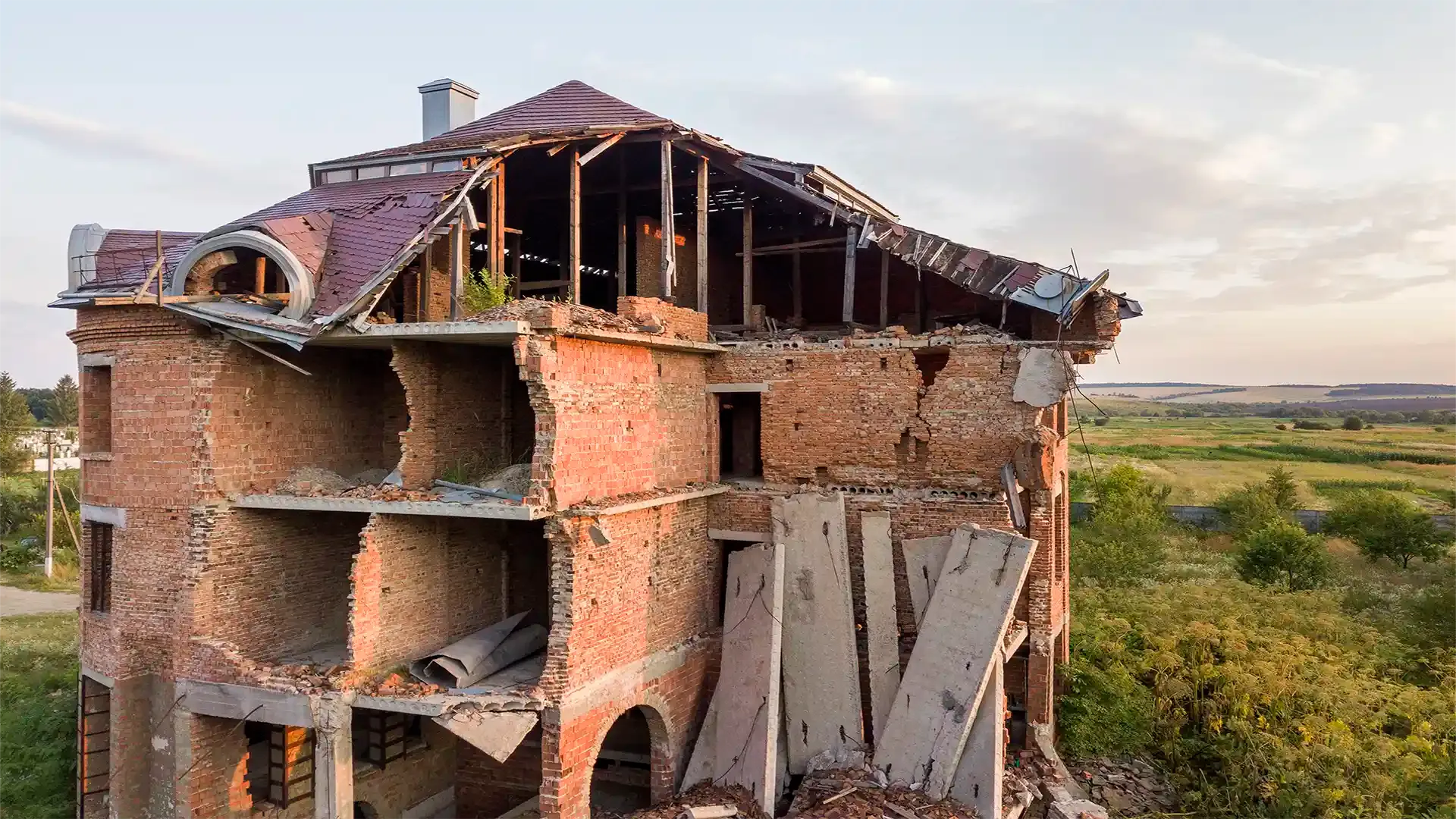
Story Behind the Brown v. State Farm Fire & Casualty Co.
The case of Brown v. State Farm Fire & Casualty Co. is a significant legal dispute concerning residential property damage and the role of expert testimony in determining causation. This case revolves around a breach of contract claim filed by the plaintiff, John Brown, against his homeowner's insurance provider, State Farm.
Brown alleged that his insurance claim was wrongfully denied, while State Farm contended that policy exclusions applied. The court’s decision to strike lay testimony regarding causation and its reliance on expert witnesses provides valuable insights for legal professionals handling property damage claims.
Legal Insights: Pivotal Developments in Brown v. State Farm
1. Filing and Initial Proceedings: How the Case Began
- John Brown filed a complaint on July 20, 2016, alleging multiple claims, but by September 20, 2017, only the breach of contract claims against State Farm remained.
- The central issue was whether the damage to Brown’s home was covered under his homeowner’s policy and whether State Farm breached the contract by denying his claim.
2. Summary Judgment Motion and Motion to Strike: Key Legal Actions
- On November 27, 2017, State Farm filed a motion for summary judgment, arguing that Brown failed to establish his claim.
- State Farm also filed a motion to strike the testimony of Brown and his contractors, contending that only expert witnesses could provide causation opinions.
- The court agreed, ruling that lay witnesses could not testify about the cause of the damage but could provide firsthand observations.
3. Role of Expert Witness Testimonies in the Court’s Decision
- The case relied heavily on competing expert testimonies regarding the cause of damage.
- State Farm’s expert, Mr. Cain, attributed the damage to non-covered causes, while Brown’s expert, Mr. Carlysle, provided conflicting conclusions.
- The court ruled that a jury could accept or reject either expert's testimony, meaning that State Farm failed to prove its policy exclusions conclusively.
4. Court's Ruling on Motion for Clarification: The Final Judgment
- State Farm later filed a motion for clarification, arguing that the court erred in allowing Brown’s claim to proceed.
- The court upheld its initial ruling, emphasizing that the burden of proving exclusions rested with State Farm, and that a jury could decide whether to believe either expert witness or neither.
- The case highlighted the crucial role expert testimony plays in insurance disputes and demonstrated how conflicting expert opinions can impact litigation outcomes.
Expert Witness Testimony & Insights in Brown v. State Farm
Expert witnesses played a critical role in this case by providing specialized knowledge regarding the cause of the damage. Two main expert witnesses were involved:
-
Structural Engineering Expert Witness (State Farm’s Expert)
- Evaluated the structural integrity of the damaged property.
- Concluded that external soil forces, hydrostatic pressure, and construction defects contributed to the damage.
- Supported State Farm’s argument that the damage fell under policy exclusions.
-
Forensic Damage Assessment Expert Witness (Plaintiff’s Expert)
- Assessed the damage from an independent perspective.
- Contested Mr. Cain’s conclusions and suggested that natural forces such as a lightning strike played a role.
- Provided counterarguments to support the claim that the damage should be covered under the policy.
These expert testimonies were central to the case, as they provided the necessary technical analysis to determine whether the homeowner’s insurance policy applied to the claimed damages. The jury's role in assessing the credibility of both expert opinions was crucial in shaping the case outcome.
Potential Residential Damage Expert Witnesses & Their Role in the Case
Beyond structural and forensic damage experts, other specialists could have provided valuable insights in Brown v. State Farm:
- Geotechnical Engineer: Assesses soil conditions and stability. Could confirm if hydrostatic pressure or soil movement contributed to the damage.
- Meteorologist: Analyzes weather conditions. Could verify if a lightning strike or storm played a role.
- Building Code Expert Witness: Evaluates compliance with construction regulations. Could determine if faulty construction contributed to the damage.
- Hydrology Expert Witness: Examines water intrusion and drainage. Could assess if poor drainage or external water forces caused structural weakening.
- Electrical Engineer: Investigates electrical failures. Could verify if a lightning strike impacted the home’s electrical system.
- Construction Cost Estimator: Provides repair estimates. Could clarify the extent of damage and reasonable costs.
These experts could have strengthened arguments on both sides by providing specialized insight into the cause and impact of the damage.
Key Takeaways for Legal Professionals Handling Insurance Claims
- Importance of Expert Testimony in Insurance Litigation
Courts generally require expert testimony to establish causation in complex property damage cases. - Understanding Burden of Proof in Insurance Disputes
Under an all-risks policy, the insured must show initial coverage, but the insurer must prove that exclusions apply. - Recognizing the Role of Lay Witnesses in Court
Observational testimony from non-experts is admissible, but causation opinions must come from qualified experts. - Legal Strategies for Motions in Insurance Lawsuits
Properly filed motions to strike and motions for summary judgment can shape the admissibility of evidence and case strategy.
Conclusion
The Brown v. State Farm case illustrates how expert testimony can influence an insurance claim dispute. It underscores the necessity for legal professionals to engage credible experts early in litigation and highlights the complexity of proving coverage in residential damage cases.
Expert witness testimony proved essential in determining the key elements of the case. Their analysis of structural integrity, external environmental factors, and damage assessment played a vital role in establishing arguments from both sides. The ability to present well-supported, credible, and scientifically backed opinions helped the court and jury understand the complex nature of the dispute.
This case demonstrates how the use of expert testimony can be the deciding factor in insurance claim litigation, highlighting the necessity for attorneys to leverage subject-matter experts to strengthen their legal arguments.
References
- Brown v. State Farm Fire & Casualty Co., 342 F. Supp. 3d 1234 (N.D. Ala. 2018)
- Brown v. State Farm Fire and Casualty Company (Conn. App. Ct. 2014)
- Brown v. State Farm Fire and Casualty Company
- Brown v. State Farm Fire and Casualty Company, No. 2:2023cv04002 - Document 65 (W.D. Mo. 2024)
- Brown v. State Farm Fire and Casualty Company, No. 2:2007cv02665 - Document 91 (E.D. La. 2010)
