Real Estate, +7
Real Estate
Loading
Real Estate
10 min read
Areas of Expertise :
Fire Protection, Forensic Engineering, Pathology, Fire Alarm System, Fire Origin & Cause

Published Date:
Last Modified Date:
Jurisdiction:
Federal. Eighth Circuit
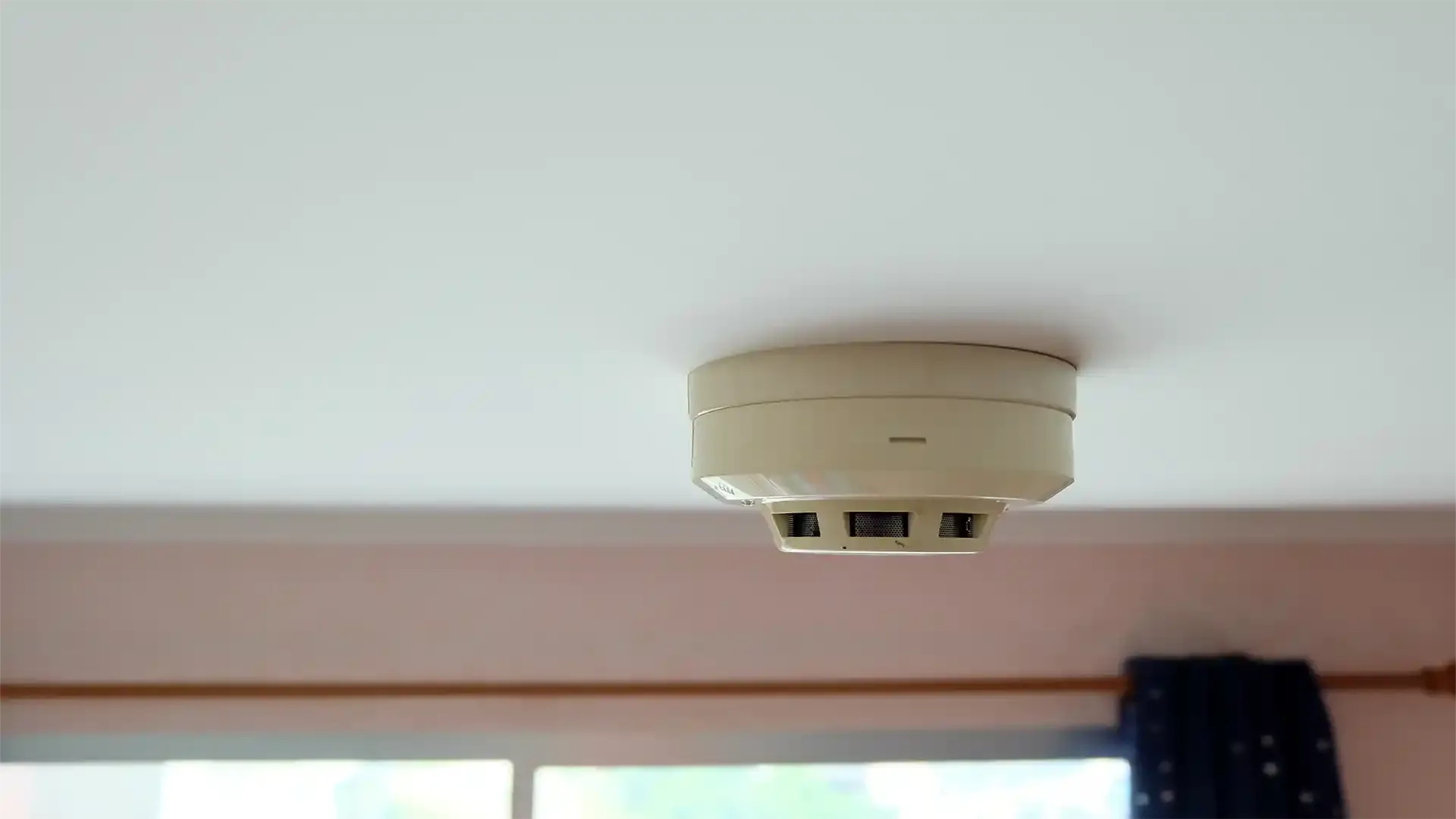
A fatal apartment fire in Little Rock, Arkansas, led to a wrongful-death lawsuit involving smoke alarm maintenance, resident safety policies, inspection procedures, and whether an earlier warning could have allowed Jannell Dillon to escape. In Dillon v. Maxus Properties Inc., the estate alleged that a nonfunctioning smoke detector in Dillon’s apartment failed to alert her to a fire on August 18, 2016, and caused or contributed to her death from smoke and soot inhalation. The lawsuit named Maxus Properties, Inc. and Landings Acquisition, LLC, alleging that the companies failed to maintain a working smoke alarm and that a timely warning may have allowed Dillon to leave the apartment.
The litigation addressed fire origin and cause analysis, forensic engineering, medical causation, smoke detector inspection practices, replacement policies, employee training, and the admissibility of expert testimony. The defendants disputed causation and argued that Dillon’s medical conditions, medication use, alcohol level, smoking history, and oxygen dependence made it uncertain whether she could have escaped even if an alarm had sounded. In its April 9, 2019 opinion, the court resolved several pretrial motions, dismissed claims the estate no longer pursued, limited part of one expert’s testimony, allowed most of the challenged defense expert testimony to remain, denied summary judgment on causation, and allowed the punitive damages claim to proceed.
On the morning of August 18, 2016, emergency responders were dispatched to Jannell Dillon’s apartment in Little Rock, Arkansas, after reports of a residential fire. Responders entered the apartment to extinguish the fire and found Dillon deceased on the hallway floor outside the bedrooms. According to the court record, Dillon died from smoke and soot inhalation.
Dillon’s estate later alleged that the apartment’s smoke alarm did not sound during the fire. The estate argued that an earlier warning could have given Dillon time to leave before smoke exposure became fatal.
The federal docket was opened in the U.S. District Court for the Eastern District of Arkansas on December 8, 2017. Anthony “Tony” Joseph Dillon, acting as special administrator of Jannell Dillon’s estate, was listed as the plaintiff. Maxus Properties, Inc. and Landings Acquisition, LLC were listed as defendants.
The estate alleged that the defendants, as owners or managers of the apartment complex, failed to maintain a functioning smoke detector in Dillon’s apartment. The claims placed the defendants’ smoke detector inspection procedures, replacement practices, employee training, maintenance policies, and fire-safety records at issue.
During pretrial proceedings, the defendants moved for partial summary judgment on the estate’s product liability and implied warranty of habitability claims. The estate did not oppose those motions and moved to withdraw both claims.
The court granted partial summary judgment on the product liability and implied warranty claims and dismissed them with prejudice. After that ruling, the remaining disputes focused on negligence, wrongful-death causation, smoke alarm maintenance, expert testimony, and punitive damages.
The court reviewed the estate’s challenge to Ryan Baker, the defense-designated fire origin and cause expert. Baker’s opinions addressed where the fire began, what material first ignited, and what ignition source most likely caused the fire.
The estate argued that Baker’s opinions did not reliably follow NFPA 921. The court allowed most of his testimony, finding that his opinions were based on scene inspections, witness interviews, laboratory review, and other investigative materials. However, the court prohibited Baker from testifying that Dillon herself discarded the cigarette because assigning personal fault for the fire was a jury issue.
The court also reviewed the estate’s challenge to Tony Bishop, the defense-designated forensic engineering expert. Bishop offered opinions that electrical facilities and electrical devices in the apartment did not serve as an ignition source. He also addressed the smoke alarm and whether it sounded during the fire.
The estate argued that Bishop’s methodology was unreliable and did not properly follow NFPA 921. The court declined to exclude Bishop’s testimony. It found that the estate’s objections, including criticism from a rebuttal expert, went to the weight of the evidence rather than admissibility.
The defendants sought summary judgment on causation. They argued that, even if the smoke alarm failed to sound, the estate could not prove that the alleged failure caused Dillon’s death because of her medical history, oxygen dependence, smoking history, medications, and alcohol level.
The court considered testimony from forensic pathologist Dr. Kris Sperry, who supported the estate’s causation argument. Dr. Sperry testified that Dillon had the mental capacity to hear and react to a smoke detector and that the alcohol in her body did not impair her ability to recognize the danger from the fire.
The court also discussed Rick Jones, the plaintiff’s fire origin and cause expert. Jones testified that a working alarm may have allowed Dillon to exit the building, but the court noted that he did not offer opinions on Dillon’s medical or physical capacity. That issue was addressed through Dr. Sperry’s forensic pathology testimony.
The court denied summary judgment on causation. It concluded that a jury could reasonably infer that an earlier smoke alarm warning may have allowed Dillon to escape before smoke inhalation became fatal.
In the same ruling, the court denied the defendants’ motion for partial summary judgment on punitive damages. The court referenced evidence that the apartment complex had a policy requiring smoke detectors to be replaced every ten years, while Dillon’s detector was allegedly between 12 and 18 years old and nonfunctional.
The court also cited missing inspection records, alleged gaps in employee training on smoke alarm installation and testing, and the purchase of more than 100 replacement smoke alarms nearly two years before Dillon’s death that allegedly had not been installed. Based on that record, the court found that a reasonable jury could consider whether the defendants acted with reckless disregard of the consequences.
On April 18, 2019, the court entered an order dismissing the complaint and all claims against the defendants with prejudice. The order stated that the court had been notified that a settlement had been reached. The court also retained jurisdiction for 30 days to vacate the dismissal and reopen the action if settlement was not completed and further litigation became necessary.
The dismissal clarifies that the April 9, 2019 opinion resolved pretrial motions, not a final trial verdict. The public docket records reviewed show that the case was dismissed with prejudice after settlement notice, rather than after trial.
Court:
United States District Court for the Eastern District of Arkansas
Case Name:
Dillon v. Maxus Properties, Inc.
Apartment Buildings
Residential Fires
Fire Cause and Origin Investigations
Fire Protection Engineering
Fire Safety Science
Smoke Inhalation
Cause of Death
Safety Compliance
A fatal apartment fire in Little Rock, Arkansas, led to a wrongful-death lawsuit involving smoke alarm maintenance, resident safety policies, inspection procedures, and whether an earlier warning could have allowed Jannell Dillon to escape. In Dillon v. Maxus Properties Inc., the estate alleged that a nonfunctioning smoke detector in Dillon’s apartment failed to alert her to a fire on August 18, 2016, and caused or contributed to her death from smoke and soot inhalation. The lawsuit named Maxus Properties, Inc. and Landings Acquisition, LLC, alleging that the companies failed to maintain a working smoke alarm and that a timely warning may have allowed Dillon to leave the apartment.
The litigation addressed fire origin and cause analysis, forensic engineering, medical causation, smoke detector inspection practices, replacement policies, employee training, and the admissibility of expert testimony. The defendants disputed causation and argued that Dillon’s medical conditions, medication use, alcohol level, smoking history, and oxygen dependence made it uncertain whether she could have escaped even if an alarm had sounded. In its April 9, 2019 opinion, the court resolved several pretrial motions, dismissed claims the estate no longer pursued, limited part of one expert’s testimony, allowed most of the challenged defense expert testimony to remain, denied summary judgment on causation, and allowed the punitive damages claim to proceed.
On the morning of August 18, 2016, emergency responders were dispatched to Jannell Dillon’s apartment in Little Rock, Arkansas, after reports of a residential fire. Responders entered the apartment to extinguish the fire and found Dillon deceased on the hallway floor outside the bedrooms. According to the court record, Dillon died from smoke and soot inhalation.
Dillon’s estate later alleged that the apartment’s smoke alarm did not sound during the fire. The estate argued that an earlier warning could have given Dillon time to leave before smoke exposure became fatal.
The federal docket was opened in the U.S. District Court for the Eastern District of Arkansas on December 8, 2017. Anthony “Tony” Joseph Dillon, acting as special administrator of Jannell Dillon’s estate, was listed as the plaintiff. Maxus Properties, Inc. and Landings Acquisition, LLC were listed as defendants.
The estate alleged that the defendants, as owners or managers of the apartment complex, failed to maintain a functioning smoke detector in Dillon’s apartment. The claims placed the defendants’ smoke detector inspection procedures, replacement practices, employee training, maintenance policies, and fire-safety records at issue.
During pretrial proceedings, the defendants moved for partial summary judgment on the estate’s product liability and implied warranty of habitability claims. The estate did not oppose those motions and moved to withdraw both claims.
The court granted partial summary judgment on the product liability and implied warranty claims and dismissed them with prejudice. After that ruling, the remaining disputes focused on negligence, wrongful-death causation, smoke alarm maintenance, expert testimony, and punitive damages.
The court reviewed the estate’s challenge to Ryan Baker, the defense-designated fire origin and cause expert. Baker’s opinions addressed where the fire began, what material first ignited, and what ignition source most likely caused the fire.
The estate argued that Baker’s opinions did not reliably follow NFPA 921. The court allowed most of his testimony, finding that his opinions were based on scene inspections, witness interviews, laboratory review, and other investigative materials. However, the court prohibited Baker from testifying that Dillon herself discarded the cigarette because assigning personal fault for the fire was a jury issue.
The court also reviewed the estate’s challenge to Tony Bishop, the defense-designated forensic engineering expert. Bishop offered opinions that electrical facilities and electrical devices in the apartment did not serve as an ignition source. He also addressed the smoke alarm and whether it sounded during the fire.
The estate argued that Bishop’s methodology was unreliable and did not properly follow NFPA 921. The court declined to exclude Bishop’s testimony. It found that the estate’s objections, including criticism from a rebuttal expert, went to the weight of the evidence rather than admissibility.
The defendants sought summary judgment on causation. They argued that, even if the smoke alarm failed to sound, the estate could not prove that the alleged failure caused Dillon’s death because of her medical history, oxygen dependence, smoking history, medications, and alcohol level.
The court considered testimony from forensic pathologist Dr. Kris Sperry, who supported the estate’s causation argument. Dr. Sperry testified that Dillon had the mental capacity to hear and react to a smoke detector and that the alcohol in her body did not impair her ability to recognize the danger from the fire.
The court also discussed Rick Jones, the plaintiff’s fire origin and cause expert. Jones testified that a working alarm may have allowed Dillon to exit the building, but the court noted that he did not offer opinions on Dillon’s medical or physical capacity. That issue was addressed through Dr. Sperry’s forensic pathology testimony.
The court denied summary judgment on causation. It concluded that a jury could reasonably infer that an earlier smoke alarm warning may have allowed Dillon to escape before smoke inhalation became fatal.
In the same ruling, the court denied the defendants’ motion for partial summary judgment on punitive damages. The court referenced evidence that the apartment complex had a policy requiring smoke detectors to be replaced every ten years, while Dillon’s detector was allegedly between 12 and 18 years old and nonfunctional.
The court also cited missing inspection records, alleged gaps in employee training on smoke alarm installation and testing, and the purchase of more than 100 replacement smoke alarms nearly two years before Dillon’s death that allegedly had not been installed. Based on that record, the court found that a reasonable jury could consider whether the defendants acted with reckless disregard of the consequences.
On April 18, 2019, the court entered an order dismissing the complaint and all claims against the defendants with prejudice. The order stated that the court had been notified that a settlement had been reached. The court also retained jurisdiction for 30 days to vacate the dismissal and reopen the action if settlement was not completed and further litigation became necessary.
The dismissal clarifies that the April 9, 2019 opinion resolved pretrial motions, not a final trial verdict. The public docket records reviewed show that the case was dismissed with prejudice after settlement notice, rather than after trial.
Fire Cause and Origin Investigations Expert Witness
Defense's Expert: Ryan Baker
Ryan Baker was designated by the defense as an expert witness on the cause and origin of the fire. His opinions addressed where the fire began, what material first ignited, and what ignition source most likely caused the fire.
The estate challenged Baker’s methodology under NFPA 921, but the court allowed most of his testimony. The court barred him from testifying that Dillon herself discarded the cigarette because an expert may address fire origin and potential causes, while personal fault remained a jury issue.
Plaintiff's Expert: Rick Jones
Rick Jones was identified by the court as the plaintiff’s fire origin and cause expert. His testimony was discussed in connection with the estate’s argument that a working smoke alarm may have allowed Dillon to leave the apartment before smoke inhalation became fatal.
The defendants argued that Jones’s testimony was limited because he did not address Dillon’s medical or physical ability to escape. The court noted that Jones did not offer opinions on Dillon’s medical or physical condition, which was instead addressed through Dr. Sperry’s forensic pathology testimony.
Forensic Engineering Expert Witness: Tony Bishop for the Defense
Tony Bishop was designated by the defense as a forensic engineering expert. His opinions addressed whether electrical facilities or electrical devices in Dillon’s apartment served as an ignition source, as well as issues related to the smoke alarm.
The estate sought to exclude parts of Bishop’s testimony and argued that his methodology did not reliably follow NFPA 921. The court declined to exclude his opinions, finding that the estate’s objections were issues for the jury to weigh.
Forensic Pathology Expert Witness: Dr. Kris Sperry for the Plaintiff/Estate
Dr. Kris Sperry provided forensic pathology testimony that supported the estate’s causation argument. His testimony addressed Dillon’s physical and mental condition at the time of the fire, including whether she could have heard and responded to a working smoke alarm.
The court noted that Dr. Sperry testified Dillon had the mental capacity to hear and react to a smoke detector. He also testified that the alcohol in Dillon’s body did not impair her ability to recognize the danger presented by the fire.
Rebuttal Expert Witness: Unnamed Expert for the Plaintiff/Estate
The court also referred to an unnamed rebuttal expert offered by the estate in response to Tony Bishop’s opinions. The rebuttal expert’s critique was discussed in connection with Bishop’s conclusions about electrical ignition and smoke alarm performance.
The court did not exclude Bishop’s testimony based on the rebuttal critique. Instead, it ruled that the jury could hear the competing expert evidence and decide how much weight to give Bishop’s opinions.
Smoke Detector Age and Replacement Policies Can Become Key Evidence
The court considered evidence that Dillon’s smoke detector was allegedly between 12 and 18 years old, while the apartment complex had a policy requiring replacement every ten years. In apartment fire litigation, the age, condition, testing history, and replacement status of a smoke detector may become central to negligence and punitive damages arguments.
Medical Evidence Can Affect Smoke Alarm Causation Arguments
The defendants argued that Dillon’s health conditions, oxygen dependence, medications, alcohol level, and smoking history made escape uncertain. The estate responded with forensic pathology testimony that Dillon could have heard and reacted to a working smoke detector, allowing the causation issue to proceed to a jury.
NFPA 921 Can Guide Fire-Origin and Engineering Testimony
NFPA 921 played a major role in the challenges to fire-origin and forensic engineering testimony. The court allowed most of the challenged defense expert testimony, finding that the objections largely concerned the weight of the evidence rather than admissibility.
Expert Opinions May Be Limited Before Trial
The court allowed testimony about fire origin, potential ignition sources, physical evidence, and investigative methods. It did not allow the defense fire-origin expert to testify that Dillon herself discarded the cigarette, because that conclusion involved personal fault and was reserved for the jury.
Punitive Damages May Turn on Maintenance Practices and Records
The punitive damages dispute included allegations about smoke detector age, missing inspection records, employee training, and replacement alarms that allegedly had been purchased but not installed. The court found that those facts could allow a jury to consider whether the defendants acted with reckless disregard of the consequences.
Dillon v. Maxus Properties Inc. involved allegations regarding smoke alarm maintenance, inspection records, expert testimony, resident safety policies, medical evidence, and causation. The court did not decide whether the defendants were ultimately liable for Jannell Dillon’s death. Instead, it ruled on pretrial motions and allowed several issues, including negligence causation and punitive damages, to continue past summary judgment.
The court also limited part of the fire-origin testimony. Fire experts were permitted to testify about origin, cause, physical evidence, and investigative methods, but not to assign personal fault. The public record shows that the case was later dismissed with prejudice after the court was notified of a settlement, rather than ending in a trial verdict.

What happened in Dillon v. Maxus Properties Inc.?
The case arose from an August 18, 2016 apartment fire in Little Rock, Arkansas. Jannell Dillon died from smoke and soot inhalation, and her estate alleged that the smoke detector in her apartment failed to sound during the fire.
Who were the defendants in the Dillon lawsuit?
The defendants were Maxus Properties, Inc. and Landings Acquisition, LLC. The estate alleged that they owned or managed the apartment complex and breached duties related to smoke alarm maintenance and resident safety.
Why was the smoke detector central to the case?
The estate claimed that a working smoke detector would have warned Dillon earlier and allowed her to escape. The defendants argued that her health conditions and substances in her system made that theory speculative, but the court allowed the causation issue to proceed.
What did the court decide about the fire-origin expert?
The court allowed most of the defense fire-origin expert’s testimony. However, it barred the expert from testifying that Dillon herself discarded the cigarette, because assigning personal fault was reserved for the jury.
Why did the punitive damages issue remain in Dillon v. Maxus Properties Inc.?
The court cited evidence that Dillon’s smoke detector may have been expired, nonfunctional, and not replaced despite apartment policies requiring replacement every ten years. The court also referenced alleged missing inspection records, lack of employee training, and delayed replacement of smoke alarms that had already been purchased.
Fire Cause and Origin Investigations Expert Witness
Defense's Expert: Ryan Baker
Ryan Baker was designated by the defense as an expert witness on the cause and origin of the fire. His opinions addressed where the fire began, what material first ignited, and what ignition source most likely caused the fire.
The estate challenged Baker’s methodology under NFPA 921, but the court allowed most of his testimony. The court barred him from testifying that Dillon herself discarded the cigarette because an expert may address fire origin and potential causes, while personal fault remained a jury issue.
Plaintiff's Expert: Rick Jones
Rick Jones was identified by the court as the plaintiff’s fire origin and cause expert. His testimony was discussed in connection with the estate’s argument that a working smoke alarm may have allowed Dillon to leave the apartment before smoke inhalation became fatal.
The defendants argued that Jones’s testimony was limited because he did not address Dillon’s medical or physical ability to escape. The court noted that Jones did not offer opinions on Dillon’s medical or physical condition, which was instead addressed through Dr. Sperry’s forensic pathology testimony.
Forensic Engineering Expert Witness: Tony Bishop for the Defense
Tony Bishop was designated by the defense as a forensic engineering expert. His opinions addressed whether electrical facilities or electrical devices in Dillon’s apartment served as an ignition source, as well as issues related to the smoke alarm.
The estate sought to exclude parts of Bishop’s testimony and argued that his methodology did not reliably follow NFPA 921. The court declined to exclude his opinions, finding that the estate’s objections were issues for the jury to weigh.
Forensic Pathology Expert Witness: Dr. Kris Sperry for the Plaintiff/Estate
Dr. Kris Sperry provided forensic pathology testimony that supported the estate’s causation argument. His testimony addressed Dillon’s physical and mental condition at the time of the fire, including whether she could have heard and responded to a working smoke alarm.
The court noted that Dr. Sperry testified Dillon had the mental capacity to hear and react to a smoke detector. He also testified that the alcohol in Dillon’s body did not impair her ability to recognize the danger presented by the fire.
Rebuttal Expert Witness: Unnamed Expert for the Plaintiff/Estate
The court also referred to an unnamed rebuttal expert offered by the estate in response to Tony Bishop’s opinions. The rebuttal expert’s critique was discussed in connection with Bishop’s conclusions about electrical ignition and smoke alarm performance.
The court did not exclude Bishop’s testimony based on the rebuttal critique. Instead, it ruled that the jury could hear the competing expert evidence and decide how much weight to give Bishop’s opinions.
Smoke Detector Age and Replacement Policies Can Become Key Evidence
The court considered evidence that Dillon’s smoke detector was allegedly between 12 and 18 years old, while the apartment complex had a policy requiring replacement every ten years. In apartment fire litigation, the age, condition, testing history, and replacement status of a smoke detector may become central to negligence and punitive damages arguments.
Medical Evidence Can Affect Smoke Alarm Causation Arguments
The defendants argued that Dillon’s health conditions, oxygen dependence, medications, alcohol level, and smoking history made escape uncertain. The estate responded with forensic pathology testimony that Dillon could have heard and reacted to a working smoke detector, allowing the causation issue to proceed to a jury.
NFPA 921 Can Guide Fire-Origin and Engineering Testimony
NFPA 921 played a major role in the challenges to fire-origin and forensic engineering testimony. The court allowed most of the challenged defense expert testimony, finding that the objections largely concerned the weight of the evidence rather than admissibility.
Expert Opinions May Be Limited Before Trial
The court allowed testimony about fire origin, potential ignition sources, physical evidence, and investigative methods. It did not allow the defense fire-origin expert to testify that Dillon herself discarded the cigarette, because that conclusion involved personal fault and was reserved for the jury.
Punitive Damages May Turn on Maintenance Practices and Records
The punitive damages dispute included allegations about smoke detector age, missing inspection records, employee training, and replacement alarms that allegedly had been purchased but not installed. The court found that those facts could allow a jury to consider whether the defendants acted with reckless disregard of the consequences.
Dillon v. Maxus Properties Inc. involved allegations regarding smoke alarm maintenance, inspection records, expert testimony, resident safety policies, medical evidence, and causation. The court did not decide whether the defendants were ultimately liable for Jannell Dillon’s death. Instead, it ruled on pretrial motions and allowed several issues, including negligence causation and punitive damages, to continue past summary judgment.
The court also limited part of the fire-origin testimony. Fire experts were permitted to testify about origin, cause, physical evidence, and investigative methods, but not to assign personal fault. The public record shows that the case was later dismissed with prejudice after the court was notified of a settlement, rather than ending in a trial verdict.
What happened in Dillon v. Maxus Properties Inc.?
The case arose from an August 18, 2016 apartment fire in Little Rock, Arkansas. Jannell Dillon died from smoke and soot inhalation, and her estate alleged that the smoke detector in her apartment failed to sound during the fire.
Who were the defendants in the Dillon lawsuit?
The defendants were Maxus Properties, Inc. and Landings Acquisition, LLC. The estate alleged that they owned or managed the apartment complex and breached duties related to smoke alarm maintenance and resident safety.
Why was the smoke detector central to the case?
The estate claimed that a working smoke detector would have warned Dillon earlier and allowed her to escape. The defendants argued that her health conditions and substances in her system made that theory speculative, but the court allowed the causation issue to proceed.
What did the court decide about the fire-origin expert?
The court allowed most of the defense fire-origin expert’s testimony. However, it barred the expert from testifying that Dillon herself discarded the cigarette, because assigning personal fault was reserved for the jury.
Why did the punitive damages issue remain in Dillon v. Maxus Properties Inc.?
The court cited evidence that Dillon’s smoke detector may have been expired, nonfunctional, and not replaced despite apartment policies requiring replacement every ten years. The court also referenced alleged missing inspection records, lack of employee training, and delayed replacement of smoke alarms that had already been purchased.
Real Estate Appraisal, +3
Real Estate
Mold, +4
Real Estate