Understanding Smoke Inhalation Cases: An Overview
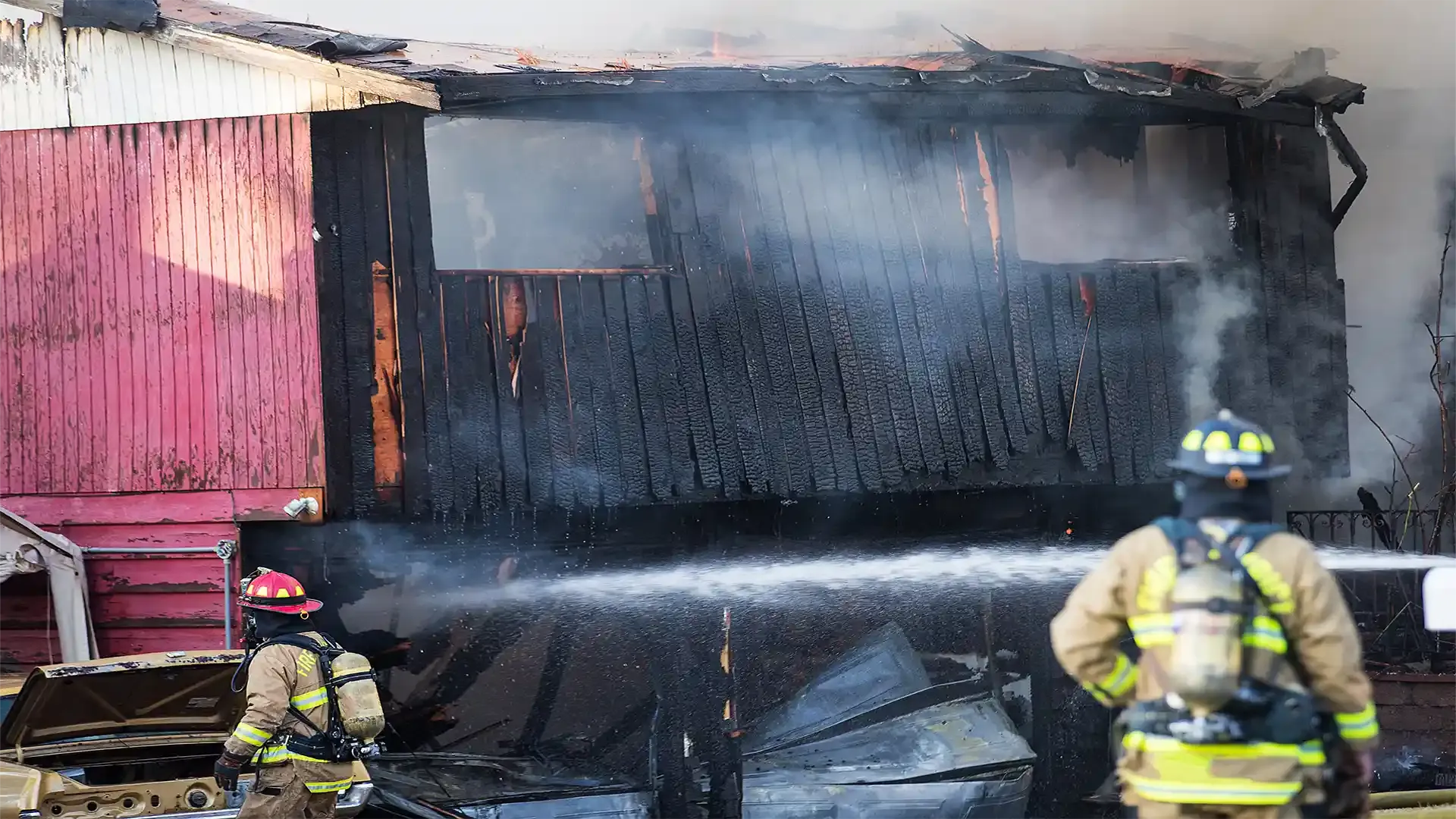
In legal proceedings involving fire-related fatalities, expert witnesses play a crucial role in determining causation, liability, and criminal responsibility. The case of State v. McLeod (2012) is a notable example where expert testimony was pivotal in addressing the circumstances surrounding the deaths of four family members due to smoke inhalation. This case study examines the key legal issues, the role of expert witnesses, and the broader implications of the ruling. The case serves as an important reference point for attorneys, forensic experts, and policymakers dealing with fire-related incidents and legal disputes.
Source: CaseText
Legal Developments in Smoke Inhalation and Fire Cases
1. The Fire Incident: Understanding the Background of State v. McLeod
- The case arose from a tragic fire in an apartment building, which led to the deaths of multiple victims.
- The prosecution charged the defendant, McLeod, with arson and felony murder, alleging that the fire was deliberately set. The defense challenged the evidence, particularly the reliability of expert testimony regarding the fire’s origin and cause.
- Authorities and fire investigators worked extensively to reconstruct the sequence of events leading to the fatal fire.
- The fire department’s initial report suggested that the blaze began in a particular area of the apartment, which the prosecution argued pointed to arson. However, the defense countered by suggesting that alternative sources, such as an electrical fault or an accidental ignition, may have been responsible.
2. The Critical Role of Smoke Inhalation Expert Witnesses in Court
Expert witnesses specializing in fire investigation and forensic pathology were called to testify. Their analysis included:
- The fire’s point of origin and whether it was intentionally set.
- The chemical composition of smoke inhaled by the victims and its role in their deaths.
- The timeline of the victims' exposure and the physiological effects of smoke inhalation.
- Potential alternative causes of the fire and how they compared to the alleged arson theory.
Forensic pathologists provided insight into the condition of the victims' lungs, levels of carbon monoxide in their blood, and how smoke inhalation may have led to unconsciousness before death. The presence of accelerants, burn patterns, and temperature analysis were also examined to determine whether the fire was naturally occurring or deliberately ignited.
The defense contested the admissibility of this expert testimony, arguing that the methodology used was unreliable and that its inclusion violated the defendant’s confrontation rights. The trial court initially ruled in favor of the defense, excluding key expert testimony, which significantly weakened the prosecution’s case.
3. How the Appellate Court Addressed Expert Testimony in State v. McLeod
- The prosecution appealed, and the New Hampshire Supreme Court overturned the trial court’s decision.
- The appellate court ruled that expert testimony was admissible, emphasizing that forensic fire analysis is a well-established scientific field.
- The ruling reinforced the importance of expert opinions in cases involving complex forensic evidence.
- The decision set an important legal precedent regarding the use of expert witnesses in fire-related cases.
- The ruling affirmed that scientifically grounded forensic testimony must be considered in cases involving fatal fires, ensuring that juries receive comprehensive analyses before making decisions.
Source: CaseText, New Hampshire Court Rules - Case Text
Important Expert Witnesses in Smoke Inhalation Cases and Their Impact
Expert witnesses play a crucial role in reconstructing fire-related incidents and establishing causation. Different types of experts contribute in distinct ways:
1. Fire Investigators
- Fire investigators analyze burn patterns, heat distribution, and potential ignition sources. They help determine whether a fire was accidental or intentionally set.
- Their findings are essential in proving or disputing claims of arson.
2. Forensic Pathologists
- These experts examine the physiological effects of smoke inhalation on the victims.
- They assess lung tissue, carbon monoxide saturation, and toxicology reports to establish cause of death.
3. Toxicologists
- Toxicologists analyze the chemical composition of smoke and its effects on human health.
- Their expertise is crucial in determining how quickly inhalation could have led to unconsciousness or death.
4. Electrical Engineers
- When electrical malfunctions are suspected as fire causes, electrical engineers inspect wiring, appliances, and circuit failures to confirm or rule out electrical fire origins.
5. Building Safety Expert Witness
- These professionals evaluate whether structural design flaws or code violations contributed to the fire’s spread, influencing liability determinations.
Each of these experts provides crucial insights that help the court assess both the cause and effects of the fire. Their combined testimonies often shape the legal strategies of both prosecution and defense.
Essential Insights: How Smoke Inhalation Cases Affect Legal and Forensic Practices
1. Smoke Inhalation as a Cause of Death
- Understanding the physiological impact of smoke inhalation is crucial in legal cases. Carbon monoxide poisoning and other toxic byproducts can be fatal within minutes.
- This knowledge is essential for both legal and medical professionals when assessing cause of death.
2. The Role of Expert Witnesses
- Fire investigators, forensic pathologists, and toxicologists play a key role in reconstructing fire incidents and determining the cause of death. Their testimonies help clarify complex forensic evidence for judges and juries.
3. Legal Precedent
- This case highlights the legal standards for admitting expert testimony, reinforcing the need for scientifically valid methods and proper courtroom procedures.
- It demonstrates how legal arguments around expert evidence can shape case outcomes.
4. Defense Strategies
- Challenges to expert testimony often focus on the methodology used and potential biases in forensic analysis.
- The McLeod case illustrates how the exclusion of expert testimony can significantly alter the prosecution’s ability to establish guilt beyond a reasonable doubt.
5. Public Safety Implications
- Understanding how fire investigations are conducted and the role of expert witnesses can help in improving fire safety measures, building regulations, and forensic protocols to prevent similar tragedies in the future.
Final Thoughts: The Legal and Forensic Significance of Smoke Inhalation Expert Testimony
Smoke inhalation expert witnesses played a critical role in this case by providing key insights into the physiological effects of toxic smoke exposure on the victims. Their testimony helped establish the timeline of events, the cause of death, and the impact of carbon monoxide poisoning. Without their specialized knowledge, the court would have lacked crucial scientific evidence necessary to assess the circumstances surrounding the fire-related fatalities.
The State v. McLeod (2012) case underscores the significance of expert witnesses in fire-related legal proceedings. Their testimony can shape the outcome of trials, influence legal precedent, and ensure that scientific methods are properly evaluated in court. The case also highlights the legal intricacies of admitting forensic evidence, showing how appeals and judicial rulings can impact the administration of justice.
For professionals in the legal and forensic fields, this case serves as an essential reference on the intersection of fire investigation, forensic pathology, and courtroom litigation. Moreover, it provides valuable insights for policymakers and emergency responders working to enhance fire safety and forensic investigation methodologies. By understanding the lessons from this case, legal and forensic professionals can better prepare for future cases involving fire-related fatalities.