Accident Reconstruction, +4
Transportation
Loading
Transportation
8 min read
Areas of Expertise :
Wildfire, Forestry, Appraisal & Valuation, Ecology, Environmental Science, Fire Origin & Cause, Fire Suppression, Railroad Engineering

Published Date:
Last Modified Date:
Jurisdiction:
Federal. Ninth Circuit
United States v. Union Pacific Railroad Co., 565 F. Supp. 2d 1136 (E.D. Cal. 2008), involved federal claims stemming from the Storrie Fire, which began on August 17, 2000, on National Forest System land in Plumas County, California. The fire affected approximately 52,000 acres of National Forest System land in the Plumas and Lassen National Forests. The United States alleged that a Union Pacific Railroad work crew started the fire during track repairs and failed to adequately monitor and suppress it before leaving the area. Federal claims included fire-suppression expenses, destroyed timber, soil and pre-merchantable timber damage, reforestation, habitat loss, and diminished environmental services.
Union Pacific conceded liability in January 2008, shifting the litigation to the valuation of the remaining losses. U.S. District Judge Frank C. Damrell Jr. permitted several categories of damages to be considered separately rather than limiting recovery to the overall decline in the property's market value. Disputes over timber valuation, salvage value, restoration expenses, and ecological losses continued until the parties resolved the case through a $102 million settlement in July 2008.
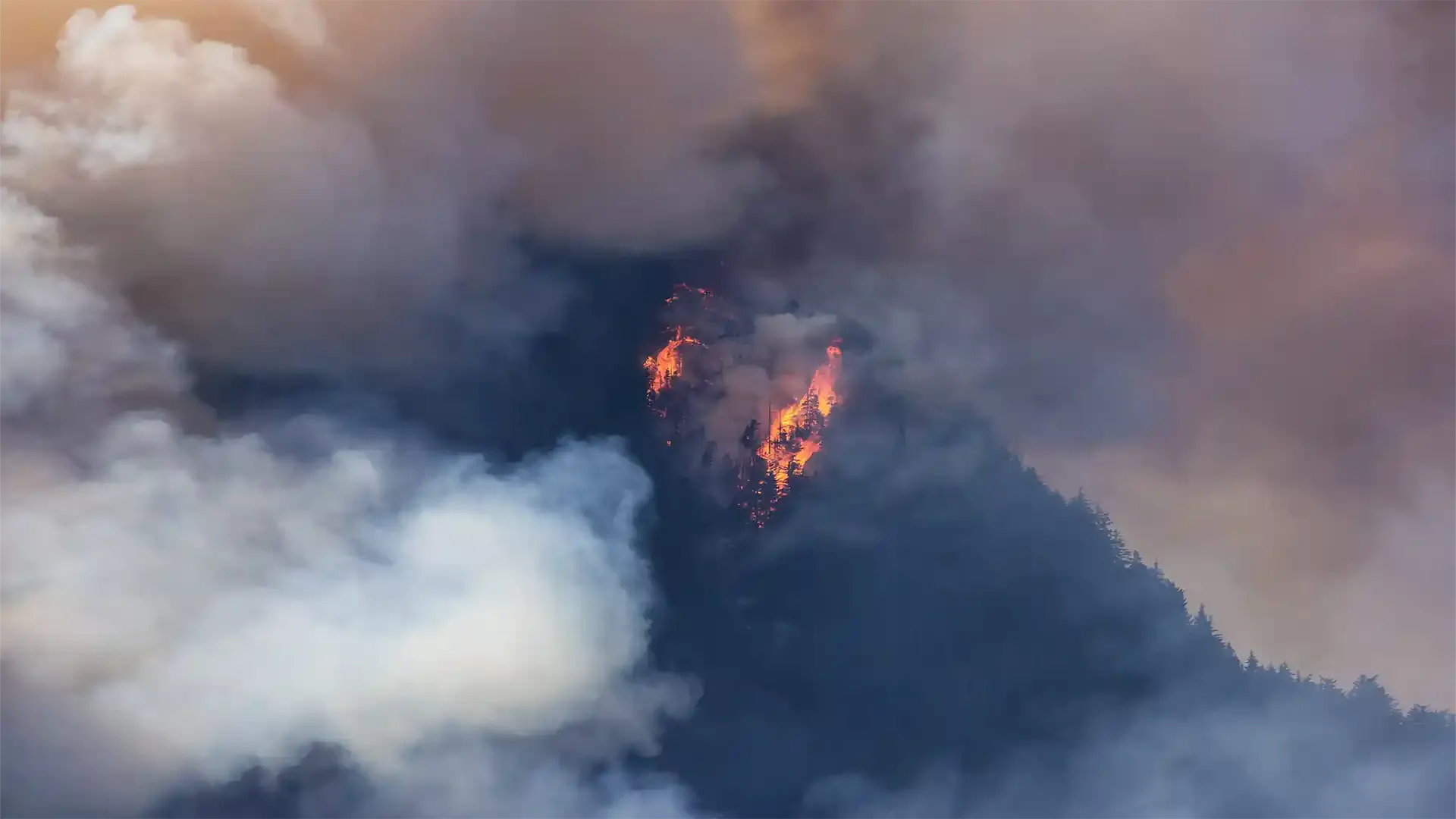
The Storrie Fire began on National Forest System land in Plumas County, California, and damaged approximately 52,000 acres in the Plumas and Lassen National Forests. Federal officials alleged that Union Pacific employees started the fire while performing railroad track repairs and did not adequately monitor or suppress it before leaving the site. The affected area included merchantable timber, pre-merchantable timber, soil, wildlife habitat, and other federal resources. Fire-suppression expenses also became part of the government's later civil claims.
The United States filed suit against Union Pacific Railroad Company in the U.S. District Court for the Eastern District of California. The federal action sought compensation for fire-suppression expenses and damage to National Forest System resources caused by the 2000 wildfire. Claimed losses included destroyed timber, reforestation expenses, soil and pre-merchantable timber damage, habitat loss, and diminished environmental services. By October 2006, the government had indicated that its claimed damages exceeded $246 million, an amount Union Pacific disputed.
Union Pacific filed a Notice of Concession of Liability on January 31, 2008. The district court granted the United States' motion concerning liability based on that concession, removing responsibility for starting the fire as the principal contested issue. The case then focused on how the damaged federal resources should be valued and what amounts could be recovered under the government's different categories of loss.
Judge Frank C. Damrell Jr. ruled on competing motions for partial summary judgment addressing the methods that could be used to calculate damages from the Storrie Fire. He determined that diminution in overall market value was not the controlling measure for all claimed losses and permitted separate claims involving destroyed timber, soil and pre-merchantable timber, reforestation, habitat loss, and diminished environmental services.
The court rejected Union Pacific's proposed offset based on a theoretical post-fire salvage sale of timber on Quincy Library Group offbase lands because such a sale was legally prohibited. The court also held that the government's claimed habitat-equivalency damages were legally permissible and separately compensable. Other disputes concerning expert methodology, reliability, and substantive opinions were left for later motions in limine or cross-examination.
James Fleming, a timber appraisal expert retained by Union Pacific, offered opinions concerning the value of the destroyed timber. His analysis included a hypothetical pre-fire value of approximately $79.29 million and calculations involving potential post-fire salvage. The United States argued that Fleming's work supported a minimum pre-fire timber value, while Union Pacific maintained that the calculation depended on assumptions involving private ownership and unrestricted commercial availability. The court declined to establish the requested minimum because the parties disputed the assumptions underlying the appraisal.
Kenneth Stumpf, another Union Pacific expert, analyzed acreage within several federal land-management classifications in the burn area, including Quincy Library Group offbase lands, Bucks Lake Wilderness, and General Forest areas. The United States challenged portions of his calculations, but the court did not need to decide that objection when ruling on the pending motions.
David Stone was identified as an expert for the United States in disputes concerning expert testimony. The court did not resolve the remaining objections involving Stone and other experts at the summary judgment stage, leaving methodology and reliability questions for possible pretrial motions and substantive disagreements for cross-examination.
Union Pacific asked the district court to reconsider portions of the February ruling, including the treatment of Fleming's proposed testimony. The court denied the request but clarified that Fleming had not been barred from presenting timber valuation opinions. He could continue to challenge the government's calculations and testify about green timber values.
The restriction applied to the previously rejected theoretical post-fire salvage offset involving Quincy Library Group offbase lands. Union Pacific could not use Fleming's testimony to seek an approximately $73 million reduction based on that hypothetical sale. The broader valuation of the timber and other damaged resources remained unresolved.
The United States and Union Pacific resolved the remaining claims through a $102 million settlement announced on July 22, 2008. The agreement ended the litigation before a jury determined final amounts for the disputed timber, restoration, habitat, and environmental-service losses. Union Pacific reported that it had previously recorded a $10 million liability and that insurance proceeds would cover the balance.
Court:
United States District Court for the Eastern District of California
Case Name:
United States v. Union Pacific Railroad Co.
Forest Fire
Fire Ecology
Federal Lands
Timber
Environmental Resource Management
Soil Science
Wildlife Management
United States v. Union Pacific Railroad Co., 565 F. Supp. 2d 1136 (E.D. Cal. 2008), involved federal claims stemming from the Storrie Fire, which began on August 17, 2000, on National Forest System land in Plumas County, California. The fire affected approximately 52,000 acres of National Forest System land in the Plumas and Lassen National Forests. The United States alleged that a Union Pacific Railroad work crew started the fire during track repairs and failed to adequately monitor and suppress it before leaving the area. Federal claims included fire-suppression expenses, destroyed timber, soil and pre-merchantable timber damage, reforestation, habitat loss, and diminished environmental services.
Union Pacific conceded liability in January 2008, shifting the litigation to the valuation of the remaining losses. U.S. District Judge Frank C. Damrell Jr. permitted several categories of damages to be considered separately rather than limiting recovery to the overall decline in the property's market value. Disputes over timber valuation, salvage value, restoration expenses, and ecological losses continued until the parties resolved the case through a $102 million settlement in July 2008.
The Storrie Fire began on National Forest System land in Plumas County, California, and damaged approximately 52,000 acres in the Plumas and Lassen National Forests. Federal officials alleged that Union Pacific employees started the fire while performing railroad track repairs and did not adequately monitor or suppress it before leaving the site. The affected area included merchantable timber, pre-merchantable timber, soil, wildlife habitat, and other federal resources. Fire-suppression expenses also became part of the government's later civil claims.
The United States filed suit against Union Pacific Railroad Company in the U.S. District Court for the Eastern District of California. The federal action sought compensation for fire-suppression expenses and damage to National Forest System resources caused by the 2000 wildfire. Claimed losses included destroyed timber, reforestation expenses, soil and pre-merchantable timber damage, habitat loss, and diminished environmental services. By October 2006, the government had indicated that its claimed damages exceeded $246 million, an amount Union Pacific disputed.
Union Pacific filed a Notice of Concession of Liability on January 31, 2008. The district court granted the United States' motion concerning liability based on that concession, removing responsibility for starting the fire as the principal contested issue. The case then focused on how the damaged federal resources should be valued and what amounts could be recovered under the government's different categories of loss.
Judge Frank C. Damrell Jr. ruled on competing motions for partial summary judgment addressing the methods that could be used to calculate damages from the Storrie Fire. He determined that diminution in overall market value was not the controlling measure for all claimed losses and permitted separate claims involving destroyed timber, soil and pre-merchantable timber, reforestation, habitat loss, and diminished environmental services.
The court rejected Union Pacific's proposed offset based on a theoretical post-fire salvage sale of timber on Quincy Library Group offbase lands because such a sale was legally prohibited. The court also held that the government's claimed habitat-equivalency damages were legally permissible and separately compensable. Other disputes concerning expert methodology, reliability, and substantive opinions were left for later motions in limine or cross-examination.
James Fleming, a timber appraisal expert retained by Union Pacific, offered opinions concerning the value of the destroyed timber. His analysis included a hypothetical pre-fire value of approximately $79.29 million and calculations involving potential post-fire salvage. The United States argued that Fleming's work supported a minimum pre-fire timber value, while Union Pacific maintained that the calculation depended on assumptions involving private ownership and unrestricted commercial availability. The court declined to establish the requested minimum because the parties disputed the assumptions underlying the appraisal.
Kenneth Stumpf, another Union Pacific expert, analyzed acreage within several federal land-management classifications in the burn area, including Quincy Library Group offbase lands, Bucks Lake Wilderness, and General Forest areas. The United States challenged portions of his calculations, but the court did not need to decide that objection when ruling on the pending motions.
David Stone was identified as an expert for the United States in disputes concerning expert testimony. The court did not resolve the remaining objections involving Stone and other experts at the summary judgment stage, leaving methodology and reliability questions for possible pretrial motions and substantive disagreements for cross-examination.
Union Pacific asked the district court to reconsider portions of the February ruling, including the treatment of Fleming's proposed testimony. The court denied the request but clarified that Fleming had not been barred from presenting timber valuation opinions. He could continue to challenge the government's calculations and testify about green timber values.
The restriction applied to the previously rejected theoretical post-fire salvage offset involving Quincy Library Group offbase lands. Union Pacific could not use Fleming's testimony to seek an approximately $73 million reduction based on that hypothetical sale. The broader valuation of the timber and other damaged resources remained unresolved.
The United States and Union Pacific resolved the remaining claims through a $102 million settlement announced on July 22, 2008. The agreement ended the litigation before a jury determined final amounts for the disputed timber, restoration, habitat, and environmental-service losses. Union Pacific reported that it had previously recorded a $10 million liability and that insurance proceeds would cover the balance.
James Fleming was retained by Union Pacific to provide timber valuation opinions. His work addressed pre-fire timber value, green timber values, and potential post-fire salvage. The court permitted him to offer timber valuation testimony but barred use of his analysis to support the rejected theoretical salvage offset for Quincy Library Group offbase lands.
Kenneth Stumpf analyzed acreage within different federal land-management classifications affected by the fire. His work included Quincy Library Group offbase lands, Bucks Lake Wilderness, and General Forest areas. His calculations were challenged during the summary judgment proceedings, although the court did not need to resolve that dispute at that stage.
David Stone was identified as an expert for the United States in the damages proceedings. Challenges involving his testimony remained unresolved at the summary judgment stage. The court left methodology and reliability issues concerning remaining expert opinions for possible later proceedings.
The district court did not require the United States to measure the entire loss solely through the reduction in market value of the affected land. Separate categories could be considered for merchantable timber, pre-merchantable timber, soil, reforestation, habitat, environmental services, and fire-suppression expenses. This approach allowed different types of resource injuries to be valued according to the nature of the loss.
The United States claimed approximately $121.9 million in pre-fire timber value, while Fleming's analysis included a hypothetical value of approximately $79.29 million. The parties disagreed over assumptions involving ownership, harvesting restrictions, and commercial availability. Because those assumptions remained disputed, the court declined to establish the government's requested $79.29 million minimum before trial.
Union Pacific sought to reduce the claimed timber loss by relying on a theoretical post-fire salvage sale involving Quincy Library Group offbase lands. The court rejected that proposed offset because federal law prohibited the assumed sale. The Forest Service separately recovered $335,616 from salvage sales involving other timber, and that amount was treated as mitigation.
The court permitted reforestation expenses to be considered separately from the commercial value assigned to mature timber. Reforestation involved the projected cost of restoring burned forestland by planting seedlings, rather than replacing mature or old-growth trees with trees of equivalent age. Soil and pre-merchantable timber injuries were also addressed within the broader restoration-related claims.
The government used habitat equivalency analysis in seeking damages for non-timber forest services lost during the period between injury and recovery or restoration. Those claimed services included scenic or aesthetic use, wildlife habitat, and recreation. The court held that habitat-equivalency damages were legally permissible, while leaving remaining methodology and reliability challenges for later proceedings.
The Storrie Fire litigation became primarily a dispute over how different forms of federal natural-resource damage should be valued after Union Pacific conceded liability. The district court allowed multiple categories of loss to be considered separately and rejected a theoretical salvage-value offset that depended on a legally prohibited timber sale.
The parties ultimately resolved the remaining valuation disputes before trial. On July 22, 2008, Union Pacific agreed to pay $102 million to settle the federal claims arising from the fire.

What caused the Storrie Fire in the Union Pacific case?
The United States alleged that a Union Pacific work crew started the fire while repairing railroad track on August 17, 2000. Federal officials claimed that the crew did not adequately monitor or suppress the fire before leaving the area, and Union Pacific later conceded liability in the civil case.
How much was the Union Pacific Storrie Fire settlement?
Union Pacific agreed to pay $102 million to resolve the federal claims arising from the Storrie Fire. The settlement was announced on July 22, 2008, before a jury determined final amounts for the remaining categories of damages.
What damages did the United States seek to recover?
The United States sought compensation for fire suppression, destroyed timber, soil and pre-merchantable timber damage, reforestation, habitat loss, and diminished environmental services. The district court permitted several of those categories to be considered separately rather than reducing the claims to a single market-value calculation.
Why was the value of the destroyed timber disputed?
The parties disagreed over the assumptions used to value timber on federally managed land, including harvesting restrictions, ownership assumptions, commercial availability, and potential salvage revenue. The court left the final timber amount unresolved while rejecting Union Pacific's proposed offset based on a theoretical salvage sale on Quincy Library Group offbase lands where such a sale was legally prohibited.
James Fleming was retained by Union Pacific to provide timber valuation opinions. His work addressed pre-fire timber value, green timber values, and potential post-fire salvage. The court permitted him to offer timber valuation testimony but barred use of his analysis to support the rejected theoretical salvage offset for Quincy Library Group offbase lands.
Kenneth Stumpf analyzed acreage within different federal land-management classifications affected by the fire. His work included Quincy Library Group offbase lands, Bucks Lake Wilderness, and General Forest areas. His calculations were challenged during the summary judgment proceedings, although the court did not need to resolve that dispute at that stage.
David Stone was identified as an expert for the United States in the damages proceedings. Challenges involving his testimony remained unresolved at the summary judgment stage. The court left methodology and reliability issues concerning remaining expert opinions for possible later proceedings.
The district court did not require the United States to measure the entire loss solely through the reduction in market value of the affected land. Separate categories could be considered for merchantable timber, pre-merchantable timber, soil, reforestation, habitat, environmental services, and fire-suppression expenses. This approach allowed different types of resource injuries to be valued according to the nature of the loss.
The United States claimed approximately $121.9 million in pre-fire timber value, while Fleming's analysis included a hypothetical value of approximately $79.29 million. The parties disagreed over assumptions involving ownership, harvesting restrictions, and commercial availability. Because those assumptions remained disputed, the court declined to establish the government's requested $79.29 million minimum before trial.
Union Pacific sought to reduce the claimed timber loss by relying on a theoretical post-fire salvage sale involving Quincy Library Group offbase lands. The court rejected that proposed offset because federal law prohibited the assumed sale. The Forest Service separately recovered $335,616 from salvage sales involving other timber, and that amount was treated as mitigation.
The court permitted reforestation expenses to be considered separately from the commercial value assigned to mature timber. Reforestation involved the projected cost of restoring burned forestland by planting seedlings, rather than replacing mature or old-growth trees with trees of equivalent age. Soil and pre-merchantable timber injuries were also addressed within the broader restoration-related claims.
The government used habitat equivalency analysis in seeking damages for non-timber forest services lost during the period between injury and recovery or restoration. Those claimed services included scenic or aesthetic use, wildlife habitat, and recreation. The court held that habitat-equivalency damages were legally permissible, while leaving remaining methodology and reliability challenges for later proceedings.
The Storrie Fire litigation became primarily a dispute over how different forms of federal natural-resource damage should be valued after Union Pacific conceded liability. The district court allowed multiple categories of loss to be considered separately and rejected a theoretical salvage-value offset that depended on a legally prohibited timber sale.
The parties ultimately resolved the remaining valuation disputes before trial. On July 22, 2008, Union Pacific agreed to pay $102 million to settle the federal claims arising from the fire.
What caused the Storrie Fire in the Union Pacific case?
The United States alleged that a Union Pacific work crew started the fire while repairing railroad track on August 17, 2000. Federal officials claimed that the crew did not adequately monitor or suppress the fire before leaving the area, and Union Pacific later conceded liability in the civil case.
How much was the Union Pacific Storrie Fire settlement?
Union Pacific agreed to pay $102 million to resolve the federal claims arising from the Storrie Fire. The settlement was announced on July 22, 2008, before a jury determined final amounts for the remaining categories of damages.
What damages did the United States seek to recover?
The United States sought compensation for fire suppression, destroyed timber, soil and pre-merchantable timber damage, reforestation, habitat loss, and diminished environmental services. The district court permitted several of those categories to be considered separately rather than reducing the claims to a single market-value calculation.
Why was the value of the destroyed timber disputed?
The parties disagreed over the assumptions used to value timber on federally managed land, including harvesting restrictions, ownership assumptions, commercial availability, and potential salvage revenue. The court left the final timber amount unresolved while rejecting Union Pacific's proposed offset based on a theoretical salvage sale on Quincy Library Group offbase lands where such a sale was legally prohibited.
Traffic Engineering, +3
Transportation
Traffic Engineering, +4
Transportation