

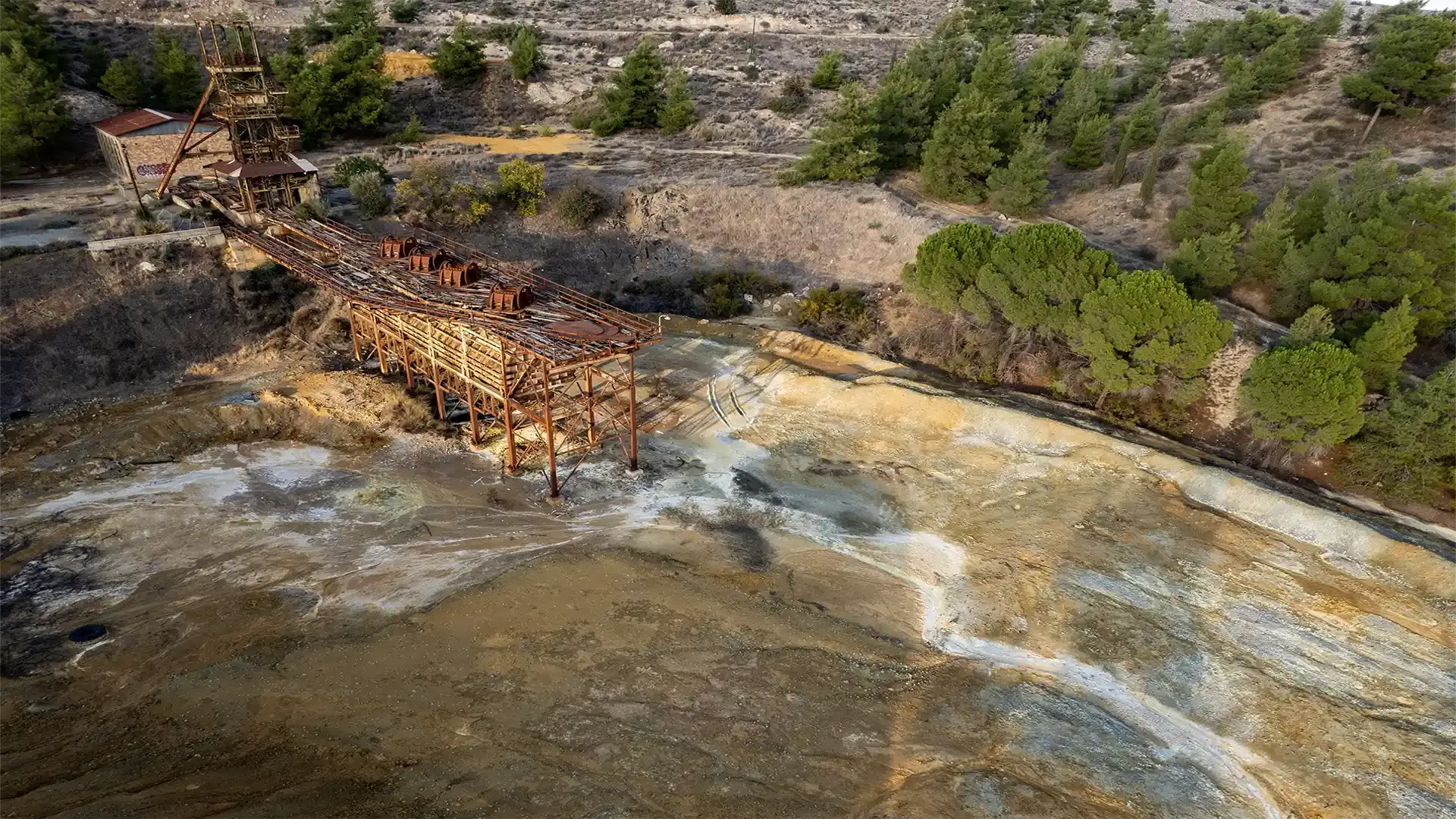
Legal Challenges in Environmental Compliance and Clean Water Act Enforcement
The Commonwealth of Kentucky sued several coal companies for alleged Clean Water Act violations, citing falsified pollution reports. Environmental groups intervened, claiming the state’s enforcement was inadequate. After securing the right to participate, they helped negotiate a 2012 settlement with ICG, which included penalties and independent monitoring. Frasure Creek did not settle, leading to further legal proceedings. When the Cabinet later reached an agreement with Frasure Creek, intervenors challenged it, arguing it lacked strong enforcement and public oversight.
This case highlights issues in environmental compliance enforcement, the role of expert witnesses and citizen groups, and judicial involvement in Clean Water Act enforcement.
Turning the Tide: Key Developments in the Frasure Creek Mining Clean Water Act Case
-
Mass Violations Discovered (2010 & 2014):
Appalachian Voices found Frasure Creek duplicated pollution reports in 2010 and again in 2014, with nearly half of 2014’s first-quarter data copied from previous reports.
-
Citizen Intervention Upheld:
- Environmental groups challenged the state’s enforcement as too lenient.
- Franklin Circuit Court granted their intervention, a decision upheld through legal challenges, reinforcing citizen involvement in Clean Water Act cases.
- State and Federal Legal Actions: In response to the violations, the Kentucky Energy and Environment Cabinet pursued enforcement, while citizens groups filed lawsuits in federal court.
-
Historic $6 Million Settlement (2015):
- Frasure Creek admitted to violations and agreed to a $6 million fine—the highest ever imposed by Kentucky on a coal company for environmental infractions.
- An immediate $500,000 payment was required, with the remainder due upon default or future mining operations.
-
Mining Restrictions for Frasure Creek:
The settlement barred the company from resuming mining in Kentucky unless it paid an additional $2.75 million before applying for new permits.
-
Citizen Groups’ Continued Oversight:
The settlement reinforced citizen-led enforcement, with groups vowing to monitor compliance and hold the state accountable for enforcing environmental laws.
Uncovering the Truth: Expert Witnesses in the Frasure Creek Mining Case
-
Hydrology Expert Witness and Environmental Expert Witness
- Discussed the impact of elevated conductivity levels in streams due to coal mining.
- Referenced studies linking Total Dissolved Solids (TDS) and specific conductance to aquatic life impairment.
- Supported arguments that pollution from coal mines harmed benthic communities and contributed to significant stream degradation.
-
Environmental Protection Agency (EPA) Expert Witness
- Conducted studies on water quality degradation from surface coal mining.
- Provided peer-reviewed research supporting claims that coal mining pollutants negatively impact aquatic ecosystems.
-
Soil Science Expert Witness
Analyzed selenium contamination from coal mines, highlighting its bioaccumulative effects on aquatic species and potential reproductive harm.
-
Public Policy Expert Witness
- Critiqued Kentucky’s water permitting process, arguing that the state did not have adequate enforcement mechanisms.
- Provided testimony on regulatory gaps and the need for stricter enforcement of the Clean Water Act.
- These experts played a crucial role in demonstrating scientific and regulatory failures, influencing the legal proceedings and the final settlement.
Environmental Justice in Action: What the Frasure Creek Mining Case Teaches Us
-
Citizen and Expert Involvement Strengthens Environmental Accountability
Public interest groups and expert witnesses played a crucial role in exposing violations and ensuring enforcement beyond weak initial penalties.
-
Regulatory Oversight Requires Vigilance and Enforcement Power
The case highlights gaps in state enforcement and the importance of independent oversight to prevent industries from bypassing environmental laws.
-
Legal Precedents Can Empower Future Environmental Litigation
The court’s ruling on citizen intervention reinforced public participation in Clean Water Act cases, setting a precedent for future enforcement actions.
-
Corporate Compliance Must Be Backed by Meaningful Consequences
The $6 million fine and mining restrictions demonstrate that strong penalties are essential to deter repeat violations and promote industry accountability.
Conclusion
The Frasure Creek Mining case illustrates the role of citizen groups in addressing Clean Water Act violations and the challenges of regulatory enforcement. Legal proceedings led to a historic settlement and stricter oversight measures.
Expert witnesses played a key role in assessing violations, providing scientific analysis that reinforced the need for environmental compliance and stronger regulatory enforcement.
