Utilities, +3
Utilities
Loading
Utilities
11 min read
Areas of Expertise :
Utilities, Environmental Engineering, Geotechnical Engineering, Soil And Water Contamination, Coal

Published Date:
Last Modified Date:
Jurisdiction:
Federal. Sixth Circuit
On December 22, 2008, a coal ash containment dike failed at the Tennessee Valley Authority’s Kingston Fossil Plant in Roane County, Tennessee. The release sent about 5.4 million cubic yards of coal ash into Swan Pond Embayment, nearby sloughs, the Emory River channel, and surrounding land. Property owners, residents, and businesses later filed numerous federal lawsuits against TVA, alleging claims tied to negligence, nuisance, trespass, strict liability, medical monitoring, and property damage. In the federal litigation, TVA raised immunity and discretionary-function arguments, but the court allowed certain tort claims to proceed where the plaintiffs challenged alleged failures in day-to-day maintenance, policy implementation, corrective measures, training, and operation of the ash impoundment.
The litigation developed alongside a large cleanup and environmental response overseen through EPA’s CERCLA framework after TVA entered into a 2009 Administrative Order on Consent. Court records later addressed summary judgment, class-certification issues, and the scope of claims that could continue, while related materials describe the spill’s effects on waterways, nearby homes, cleanup work, and later worker-exposure claims involving Jacobs Engineering. In 2012, the district court found TVA liable on negligence, trespass, and private nuisance theories in the property-damage litigation, and the matter later concluded with TVA’s reported $27.8 million settlement in 2014. The worker-exposure litigation is a related but separate track because it concerns cleanup workers and claims against Jacobs rather than the main TVA property-owner claims.
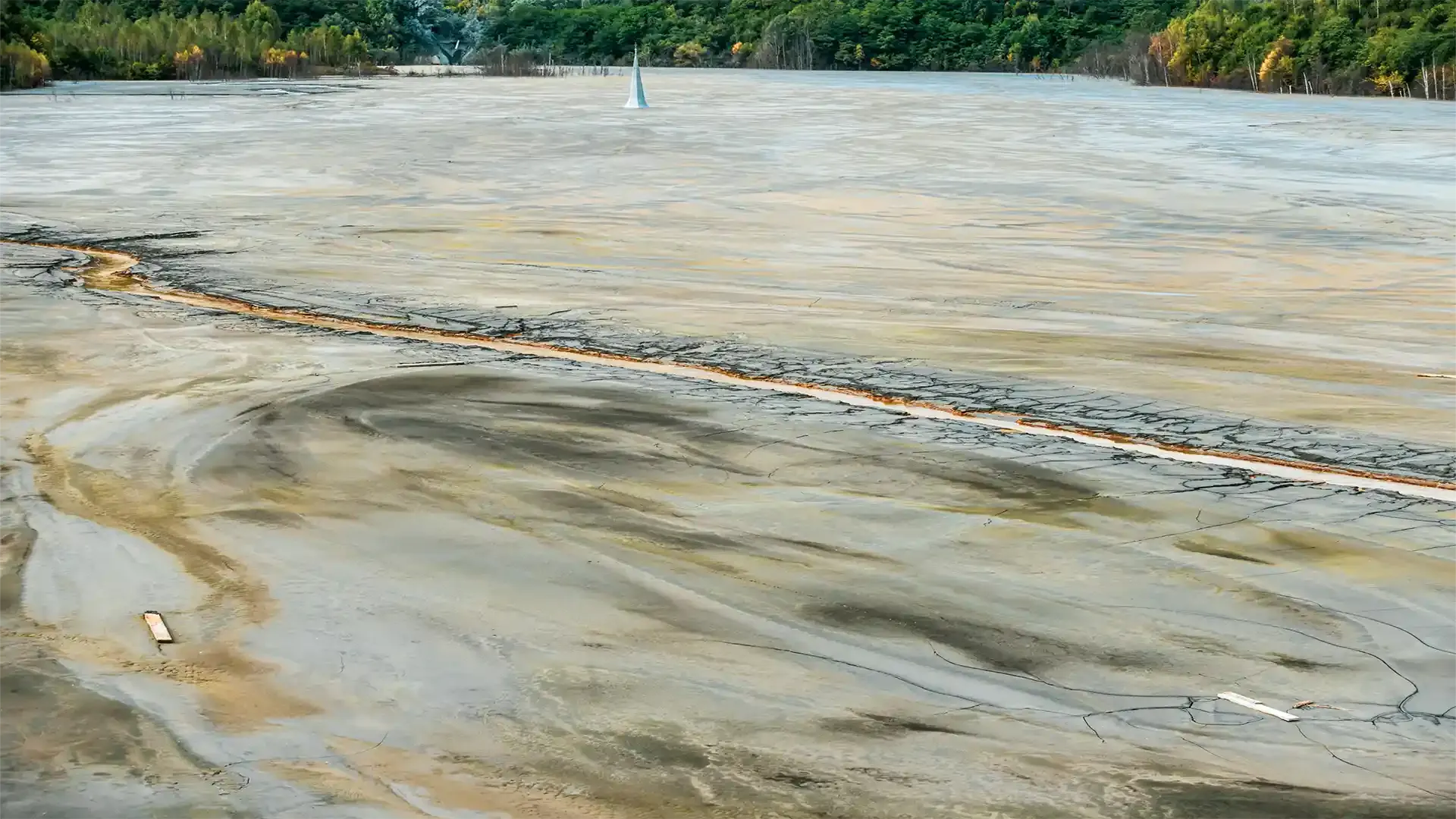
At about 1:00 a.m., the northwest side of a coal ash containment dike failed at the Tennessee Valley Authority’s Kingston Fossil Plant in Harriman, Roane County, Tennessee. About 5.4 million cubic yards of coal ash moved into Swan Pond Embayment, three nearby sloughs, the Emory River channel, and land outside the plant’s fly ash storage areas. The event affected roughly 300 acres and became the factual basis for later property, nuisance, trespass, negligence, cleanup, and environmental response proceedings.
After property owners, residents, and businesses filed lawsuits tied to the spill, TVA moved to dismiss or obtain summary judgment on the plaintiffs’ tort claims. TVA argued that the federal discretionary-function doctrine applied and shielded it from liability for the challenged conduct. The court later treated this issue as central to whether the claims could move forward.
TVA entered into an Administrative Order on Consent with EPA Region 4 under CERCLA to address the released coal ash. EPA selected the Superfund framework because the project required human health and ecological risk assessment, stakeholder involvement, and oversight of a large cleanup. TVA served as the lead federal agency for cleanup work, while EPA approved cleanup actions in consultation with the Tennessee Department of Environment and Conservation.
TVA commissioned AECOM Technology Corporation to study the physical root causes of the dike failure. The AECOM report identified four probable contributing factors: increased load from the higher ash stack, placement of the dredge cell dike over wet ash, a weak silt-and-ash layer, and lack of consolidation in wet ash that created potential for static liquefaction. The report became part of the record later discussed in the federal litigation.
TVA’s Office of Inspector General reviewed the AECOM findings and related stability analyses. The OIG report agreed with the general root-cause discussion but criticized the limited scope of the AECOM work because it did not fully address management practices at the Kingston plant. The report stated that warning signs existed for years, that corrective measures may have reduced the risk of the spill, and that TVA’s plant culture treated coal ash as waste rather than as a public and ecological hazard.
The Tennessee Department of Environment and Conservation Advisory Board issued a report on lessons learned from the Kingston containment failure. The report evaluated safety procedures, engineering design guidelines, and construction compliance at Kingston and similar facilities. It found weaknesses in design evaluation, documentation, communication, inspections, emergency response, operation and maintenance, and engineering analyses.
The U.S. District Court for the Eastern District of Tennessee ruled that some TVA decisions were protected by the discretionary-function doctrine, including policy choices involving the plant’s location, design, construction, and use of wet coal ash storage. However, the court allowed claims to continue where plaintiffs challenged alleged neglect of facilities, day-to-day maintenance, policy implementation, corrective measures, and related operational conduct. The court also ruled that punitive damages could not be pursued against TVA because of its government-entity status.
The federal court granted in part and denied in part TVA’s summary judgment motions on the nondiscretionary-conduct issue. The court reviewed the record on whether TVA’s alleged day-to-day conduct, maintenance practices, inspections, training, and coal ash management actions could have caused or contributed to the dike failure. Plaintiffs’ opposition materials included publicly disclosed expert submissions from Gary R. Brown, P.E., Dennis Allen Huckaba, P.E., and Belve Dansby Marks, Ph.D., P.E., which were part of the engineering record considered at this stage. This ruling helped define which claims and factual theories could proceed toward trial.
The trial in the TVA property litigation concluded in October 2011. Plaintiffs pursued claims tied to TVA’s coal ash management practices, maintenance, implementation of policies, and operation of the impoundment. The trial record became the basis for the court’s later liability findings.
Judge Thomas A. Varlan found in favor of the plaintiffs on negligence, trespass, and private nuisance claims. The court concluded that TVA’s conduct involving mandatory policies, procedures, and practices for coal ash management compounded the location, design, and operation causes of the dike failure. The ruling stated that if TVA had followed its own mandatory practices, subsurface issues underlying the North Dike failure would have been investigated, addressed, and potentially remedied before the December 22, 2008 failure.
The TVA coal ash spill litigation reached its final property-case resolution when TVA paid $27.8 million to settle the litigation. The settlement followed years of proceedings over negligence, nuisance, trespass, property damage, and the limits of TVA’s government-entity defenses. This resolved the main TVA property-owner litigation track tied to the Kingston coal ash spill.
EPA materials identify a December 2014 project completion fact sheet for the TVA Kingston Fossil Plant fly ash cleanup. The cleanup record followed the CERCLA order and included removal action documentation, project completion materials, and reuse-related materials for the Kingston removal site. These materials provide the main regulatory endpoint for the cleanup response separate from the civil litigation settlement.
A separate worker-exposure litigation track developed after TVA contracted Jacobs Engineering for cleanup work. Workers, spouses, and next of kin alleged that cleanup workers were exposed to coal ash without adequate protection and later became ill or died. In November 2018, a jury found that Jacobs breached its contract with TVA and endangered workers, with later proceedings focused on individual claims rather than the main TVA property-owner settlement.
Court:
United States District Court for the Eastern District of Tennessee
Case Name:
In re Tennessee Valley Authority Ash Spill Litigation
Environmental Contamination
Environmental Remediation
Contamination
Water Quality
Dams
Soil Engineering
Coal plant
Superfund Sites
Environmental Protection Agency EPA
Environmental Toxicology
On December 22, 2008, a coal ash containment dike failed at the Tennessee Valley Authority’s Kingston Fossil Plant in Roane County, Tennessee. The release sent about 5.4 million cubic yards of coal ash into Swan Pond Embayment, nearby sloughs, the Emory River channel, and surrounding land. Property owners, residents, and businesses later filed numerous federal lawsuits against TVA, alleging claims tied to negligence, nuisance, trespass, strict liability, medical monitoring, and property damage. In the federal litigation, TVA raised immunity and discretionary-function arguments, but the court allowed certain tort claims to proceed where the plaintiffs challenged alleged failures in day-to-day maintenance, policy implementation, corrective measures, training, and operation of the ash impoundment.
The litigation developed alongside a large cleanup and environmental response overseen through EPA’s CERCLA framework after TVA entered into a 2009 Administrative Order on Consent. Court records later addressed summary judgment, class-certification issues, and the scope of claims that could continue, while related materials describe the spill’s effects on waterways, nearby homes, cleanup work, and later worker-exposure claims involving Jacobs Engineering. In 2012, the district court found TVA liable on negligence, trespass, and private nuisance theories in the property-damage litigation, and the matter later concluded with TVA’s reported $27.8 million settlement in 2014. The worker-exposure litigation is a related but separate track because it concerns cleanup workers and claims against Jacobs rather than the main TVA property-owner claims.
At about 1:00 a.m., the northwest side of a coal ash containment dike failed at the Tennessee Valley Authority’s Kingston Fossil Plant in Harriman, Roane County, Tennessee. About 5.4 million cubic yards of coal ash moved into Swan Pond Embayment, three nearby sloughs, the Emory River channel, and land outside the plant’s fly ash storage areas. The event affected roughly 300 acres and became the factual basis for later property, nuisance, trespass, negligence, cleanup, and environmental response proceedings.
After property owners, residents, and businesses filed lawsuits tied to the spill, TVA moved to dismiss or obtain summary judgment on the plaintiffs’ tort claims. TVA argued that the federal discretionary-function doctrine applied and shielded it from liability for the challenged conduct. The court later treated this issue as central to whether the claims could move forward.
TVA entered into an Administrative Order on Consent with EPA Region 4 under CERCLA to address the released coal ash. EPA selected the Superfund framework because the project required human health and ecological risk assessment, stakeholder involvement, and oversight of a large cleanup. TVA served as the lead federal agency for cleanup work, while EPA approved cleanup actions in consultation with the Tennessee Department of Environment and Conservation.
TVA commissioned AECOM Technology Corporation to study the physical root causes of the dike failure. The AECOM report identified four probable contributing factors: increased load from the higher ash stack, placement of the dredge cell dike over wet ash, a weak silt-and-ash layer, and lack of consolidation in wet ash that created potential for static liquefaction. The report became part of the record later discussed in the federal litigation.
TVA’s Office of Inspector General reviewed the AECOM findings and related stability analyses. The OIG report agreed with the general root-cause discussion but criticized the limited scope of the AECOM work because it did not fully address management practices at the Kingston plant. The report stated that warning signs existed for years, that corrective measures may have reduced the risk of the spill, and that TVA’s plant culture treated coal ash as waste rather than as a public and ecological hazard.
The Tennessee Department of Environment and Conservation Advisory Board issued a report on lessons learned from the Kingston containment failure. The report evaluated safety procedures, engineering design guidelines, and construction compliance at Kingston and similar facilities. It found weaknesses in design evaluation, documentation, communication, inspections, emergency response, operation and maintenance, and engineering analyses.
The U.S. District Court for the Eastern District of Tennessee ruled that some TVA decisions were protected by the discretionary-function doctrine, including policy choices involving the plant’s location, design, construction, and use of wet coal ash storage. However, the court allowed claims to continue where plaintiffs challenged alleged neglect of facilities, day-to-day maintenance, policy implementation, corrective measures, and related operational conduct. The court also ruled that punitive damages could not be pursued against TVA because of its government-entity status.
The federal court granted in part and denied in part TVA’s summary judgment motions on the nondiscretionary-conduct issue. The court reviewed the record on whether TVA’s alleged day-to-day conduct, maintenance practices, inspections, training, and coal ash management actions could have caused or contributed to the dike failure. Plaintiffs’ opposition materials included publicly disclosed expert submissions from Gary R. Brown, P.E., Dennis Allen Huckaba, P.E., and Belve Dansby Marks, Ph.D., P.E., which were part of the engineering record considered at this stage. This ruling helped define which claims and factual theories could proceed toward trial.
The trial in the TVA property litigation concluded in October 2011. Plaintiffs pursued claims tied to TVA’s coal ash management practices, maintenance, implementation of policies, and operation of the impoundment. The trial record became the basis for the court’s later liability findings.
Judge Thomas A. Varlan found in favor of the plaintiffs on negligence, trespass, and private nuisance claims. The court concluded that TVA’s conduct involving mandatory policies, procedures, and practices for coal ash management compounded the location, design, and operation causes of the dike failure. The ruling stated that if TVA had followed its own mandatory practices, subsurface issues underlying the North Dike failure would have been investigated, addressed, and potentially remedied before the December 22, 2008 failure.
The TVA coal ash spill litigation reached its final property-case resolution when TVA paid $27.8 million to settle the litigation. The settlement followed years of proceedings over negligence, nuisance, trespass, property damage, and the limits of TVA’s government-entity defenses. This resolved the main TVA property-owner litigation track tied to the Kingston coal ash spill.
EPA materials identify a December 2014 project completion fact sheet for the TVA Kingston Fossil Plant fly ash cleanup. The cleanup record followed the CERCLA order and included removal action documentation, project completion materials, and reuse-related materials for the Kingston removal site. These materials provide the main regulatory endpoint for the cleanup response separate from the civil litigation settlement.
A separate worker-exposure litigation track developed after TVA contracted Jacobs Engineering for cleanup work. Workers, spouses, and next of kin alleged that cleanup workers were exposed to coal ash without adequate protection and later became ill or died. In November 2018, a jury found that Jacobs breached its contract with TVA and endangered workers, with later proceedings focused on individual claims rather than the main TVA property-owner settlement.
Environmental Engineer Expert Witness (Plaintiff)
The court record identifies Gary R. Brown, P.E. as an expert environmental engineer for the plaintiffs. The record states that plaintiffs submitted his declaration and affidavit as part of their opposition to TVA’s summary judgment motions. His materials were part of the plaintiffs’ evidence on whether alleged nondiscretionary conduct by TVA caused or contributed to the dike failure and coal ash spill.
Civil Engineer Expert Witness (Plaintiff)
The court record identifies Dennis Allen Huckaba, P.E. as an expert civil engineer for the plaintiffs. The record states that plaintiffs submitted his affidavit in the TVA ash spill litigation. His affidavit formed part of the plaintiffs’ engineering evidence offered in response to TVA’s argument that plaintiffs had not shown specific nondiscretionary conduct causing the spill.
Geotechnical Engineer Expert Witness (Plaintiff)
The court record identifies Belve Dansby Marks, Ph.D., P.E. as an expert geotechnical engineer for the plaintiffs. The record states that plaintiffs submitted his affidavit in support of their opposition to TVA’s summary judgment motions. His affidavit was part of the plaintiffs’ evidence concerning dike conditions, coal ash facility issues, and alleged conduct tied to causation.
Contamination Expert Witness
A contamination expert witness is often engaged in cases involving alleged pollution, hazardous material release, soil impacts, water impacts, cleanup response, and remediation disputes. In a coal ash spill matter, this type of expert may review site conditions, release pathways, sampling data, cleanup records, and agency response materials. Their usual role is to explain how contamination moved through land or water, whether cleanup steps addressed the reported conditions, and how site findings connect to property or remediation claims.
Toxicology Expert Witness
A toxicology expert witness is often engaged in cases involving alleged exposure to substances released into the environment. In a coal ash matter, this type of expert may evaluate reported exposure pathways, chemical constituents, health-risk materials, and whether the available data supports or limits exposure-related claims. Their usual role is to explain toxicological issues in a clear way while distinguishing documented exposure evidence from claims that require further medical or scientific support.
Separate protected policy choices from operational conduct.
TVA argued that discretionary-function protections applied because the case involved government decision-making. The court allowed certain claims to proceed where plaintiffs focused on alleged day-to-day maintenance, implementation of policies, corrective measures, training, and operation of the coal ash impoundment. For attorneys, this distinction can be central when a public entity raises immunity-based defenses.
Build causation around site records, inspection history, and engineering findings.
The litigation record included discussion of root-cause analyses, prior warnings, maintenance concerns, and reports addressing the dike failure. In a coal ash spill case, causation may depend on showing how facility conditions, operational decisions, and known risks connected to the release. Strong factual development can help move the case beyond general allegations and into specific proof.
Treat environmental cleanup and civil liability as related but separate tracks.
EPA’s CERCLA-based cleanup process addressed the coal ash release, affected waterways, risk assessment, remediation, and project completion materials. The civil litigation against TVA addressed property-based claims, nuisance, trespass, negligence, and liability defenses. Attorneys should keep regulatory cleanup facts distinct from the legal elements required to prove damages, causation, and liability.
Use class allegations carefully when property impacts vary by location.
The Mays and Chesney materials show that proposed classes faced challenges because property location, exposure, damages, and causation issues could require individual review. In spill-related litigation, class treatment may be harder when proof depends on parcel-specific facts or different claimed harms. Attorneys should evaluate whether common proof can carry the case before relying heavily on class-wide theories.
Keep related worker-exposure claims separate from the main property litigation.
The Jacobs worker-exposure litigation arose from the same Kingston cleanup but involved different parties, claims, and alleged injuries. It should not be merged with the main TVA property-owner case unless the separate litigation track is clearly explained.
The TVA Kingston coal ash spill litigation arose from the December 22, 2008 dike failure at TVA’s Kingston Fossil Plant, where millions of cubic yards of coal ash entered nearby land, waterways, Swan Pond Embayment, and the Emory River channel. The main federal litigation tested the limits of TVA’s government-entity defenses while allowing claims tied to alleged day-to-day maintenance, policy implementation, corrective measures, training, nuisance, trespass, and negligence to move forward. EPA’s CERCLA-based cleanup process addressed the environmental release and remediation work, while the property-owner litigation later ended with TVA’s reported $27.8 million settlement in 2014. A separate worker-exposure track involving Jacobs Engineering arose from cleanup activities, but it remains distinct from the main TVA property litigation. Together, the case record connects coal ash facility management, regulatory cleanup, causation proof, and civil liability in one of the most closely watched coal ash spill disputes in the United States.

What happened at the TVA Kingston Fossil Plant on December 22, 2008?
A coal ash containment dike failed at TVA’s Kingston Fossil Plant in Roane County, Tennessee. About 5.4 million cubic yards of coal ash moved into Swan Pond Embayment, nearby sloughs, the Emory River channel, and surrounding land.
What claims were brought against TVA after the Kingston coal ash spill?
Property owners, residents, and businesses brought claims tied to negligence, nuisance, trespass, strict liability, property damage, medical monitoring, and related relief. The claims focused on the dike failure, coal ash release, and alleged failures involving maintenance, inspections, corrective measures, training, and coal ash management.
Did TVA win dismissal based on government immunity arguments?
Not entirely. The federal court found that some TVA decisions were protected by the discretionary-function doctrine, but it allowed claims to continue where plaintiffs challenged alleged day-to-day conduct rather than broad policy choices.
What did the court find in the TVA Kingston coal ash litigation?
In 2012, the district court found TVA liable on negligence, trespass, and private nuisance claims in the property litigation. The ruling followed years of dispute over whether TVA’s alleged conduct caused or contributed to the dike failure and coal ash release.
How was the Kingston coal ash spill cleanup handled?
TVA entered into a 2009 Administrative Order on Consent with EPA Region 4 under CERCLA. The environmental cleanup process addressed coal ash released to land and waterways, with TVA serving as the lead federal agency and EPA approving cleanup actions in consultation with Tennessee regulators.
How did the main TVA Kingston coal ash case end?
Environmental Engineer Expert Witness (Plaintiff)
The court record identifies Gary R. Brown, P.E. as an expert environmental engineer for the plaintiffs. The record states that plaintiffs submitted his declaration and affidavit as part of their opposition to TVA’s summary judgment motions. His materials were part of the plaintiffs’ evidence on whether alleged nondiscretionary conduct by TVA caused or contributed to the dike failure and coal ash spill.
Civil Engineer Expert Witness (Plaintiff)
The court record identifies Dennis Allen Huckaba, P.E. as an expert civil engineer for the plaintiffs. The record states that plaintiffs submitted his affidavit in the TVA ash spill litigation. His affidavit formed part of the plaintiffs’ engineering evidence offered in response to TVA’s argument that plaintiffs had not shown specific nondiscretionary conduct causing the spill.
Geotechnical Engineer Expert Witness (Plaintiff)
The court record identifies Belve Dansby Marks, Ph.D., P.E. as an expert geotechnical engineer for the plaintiffs. The record states that plaintiffs submitted his affidavit in support of their opposition to TVA’s summary judgment motions. His affidavit was part of the plaintiffs’ evidence concerning dike conditions, coal ash facility issues, and alleged conduct tied to causation.
Contamination Expert Witness
A contamination expert witness is often engaged in cases involving alleged pollution, hazardous material release, soil impacts, water impacts, cleanup response, and remediation disputes. In a coal ash spill matter, this type of expert may review site conditions, release pathways, sampling data, cleanup records, and agency response materials. Their usual role is to explain how contamination moved through land or water, whether cleanup steps addressed the reported conditions, and how site findings connect to property or remediation claims.
Toxicology Expert Witness
A toxicology expert witness is often engaged in cases involving alleged exposure to substances released into the environment. In a coal ash matter, this type of expert may evaluate reported exposure pathways, chemical constituents, health-risk materials, and whether the available data supports or limits exposure-related claims. Their usual role is to explain toxicological issues in a clear way while distinguishing documented exposure evidence from claims that require further medical or scientific support.
Separate protected policy choices from operational conduct.
TVA argued that discretionary-function protections applied because the case involved government decision-making. The court allowed certain claims to proceed where plaintiffs focused on alleged day-to-day maintenance, implementation of policies, corrective measures, training, and operation of the coal ash impoundment. For attorneys, this distinction can be central when a public entity raises immunity-based defenses.
Build causation around site records, inspection history, and engineering findings.
The litigation record included discussion of root-cause analyses, prior warnings, maintenance concerns, and reports addressing the dike failure. In a coal ash spill case, causation may depend on showing how facility conditions, operational decisions, and known risks connected to the release. Strong factual development can help move the case beyond general allegations and into specific proof.
Treat environmental cleanup and civil liability as related but separate tracks.
EPA’s CERCLA-based cleanup process addressed the coal ash release, affected waterways, risk assessment, remediation, and project completion materials. The civil litigation against TVA addressed property-based claims, nuisance, trespass, negligence, and liability defenses. Attorneys should keep regulatory cleanup facts distinct from the legal elements required to prove damages, causation, and liability.
Use class allegations carefully when property impacts vary by location.
The Mays and Chesney materials show that proposed classes faced challenges because property location, exposure, damages, and causation issues could require individual review. In spill-related litigation, class treatment may be harder when proof depends on parcel-specific facts or different claimed harms. Attorneys should evaluate whether common proof can carry the case before relying heavily on class-wide theories.
Keep related worker-exposure claims separate from the main property litigation.
The Jacobs worker-exposure litigation arose from the same Kingston cleanup but involved different parties, claims, and alleged injuries. It should not be merged with the main TVA property-owner case unless the separate litigation track is clearly explained.
The TVA Kingston coal ash spill litigation arose from the December 22, 2008 dike failure at TVA’s Kingston Fossil Plant, where millions of cubic yards of coal ash entered nearby land, waterways, Swan Pond Embayment, and the Emory River channel. The main federal litigation tested the limits of TVA’s government-entity defenses while allowing claims tied to alleged day-to-day maintenance, policy implementation, corrective measures, training, nuisance, trespass, and negligence to move forward. EPA’s CERCLA-based cleanup process addressed the environmental release and remediation work, while the property-owner litigation later ended with TVA’s reported $27.8 million settlement in 2014. A separate worker-exposure track involving Jacobs Engineering arose from cleanup activities, but it remains distinct from the main TVA property litigation. Together, the case record connects coal ash facility management, regulatory cleanup, causation proof, and civil liability in one of the most closely watched coal ash spill disputes in the United States.
What happened at the TVA Kingston Fossil Plant on December 22, 2008?
A coal ash containment dike failed at TVA’s Kingston Fossil Plant in Roane County, Tennessee. About 5.4 million cubic yards of coal ash moved into Swan Pond Embayment, nearby sloughs, the Emory River channel, and surrounding land.
What claims were brought against TVA after the Kingston coal ash spill?
Property owners, residents, and businesses brought claims tied to negligence, nuisance, trespass, strict liability, property damage, medical monitoring, and related relief. The claims focused on the dike failure, coal ash release, and alleged failures involving maintenance, inspections, corrective measures, training, and coal ash management.
Did TVA win dismissal based on government immunity arguments?
Not entirely. The federal court found that some TVA decisions were protected by the discretionary-function doctrine, but it allowed claims to continue where plaintiffs challenged alleged day-to-day conduct rather than broad policy choices.
What did the court find in the TVA Kingston coal ash litigation?
In 2012, the district court found TVA liable on negligence, trespass, and private nuisance claims in the property litigation. The ruling followed years of dispute over whether TVA’s alleged conduct caused or contributed to the dike failure and coal ash release.
How was the Kingston coal ash spill cleanup handled?
TVA entered into a 2009 Administrative Order on Consent with EPA Region 4 under CERCLA. The environmental cleanup process addressed coal ash released to land and waterways, with TVA serving as the lead federal agency and EPA approving cleanup actions in consultation with Tennessee regulators.
How did the main TVA Kingston coal ash case end?
The main property-owner litigation against TVA ended with a reported $27.8 million settlement in 2014. A separate worker-exposure litigation track later involved Jacobs Engineering and cleanup workers, but that was distinct from the main TVA property litigation.
Environmental Engineering, +4
Utilities
Mechanical Engineering, +4
Utilities
The main property-owner litigation against TVA ended with a reported $27.8 million settlement in 2014. A separate worker-exposure litigation track later involved Jacobs Engineering and cleanup workers, but that was distinct from the main TVA property litigation.