Introduction
United States v. Holly Energy Partners–Operating, L.P. and Osage Pipe Line Company, LLC is a notable federal environmental-enforcement action stemming from a significant crude-oil pipeline failure on allotted land owned by members of the Sac and Fox Nation and held in trust by the United States. A rupture in a 20-inch-diameter crude-oil pipeline released approximately 298,620 gallons (about 7,110 barrels) of oil, contaminating Skull Creek, nearby soils, vegetation, and aquatic habitat. The incident triggered a federal investigation under the Clean Water Act (CWA) and raised questions about pipeline-integrity practices and long-term environmental impacts.
In March 2024, the U.S. Department of Justice finalized a consent decree requiring a $7.4 million civil penalty, multi-year integrity-management improvements, and continued environmental oversight. The resolution provides a contemporary example of how seam-failure mechanics, regulatory obligations, and ecological harm shape federal enforcement outcomes.
Key Developments in the Federal Enforcement Action
July 2022 – Pipeline Rupture and Immediate Environmental Impact
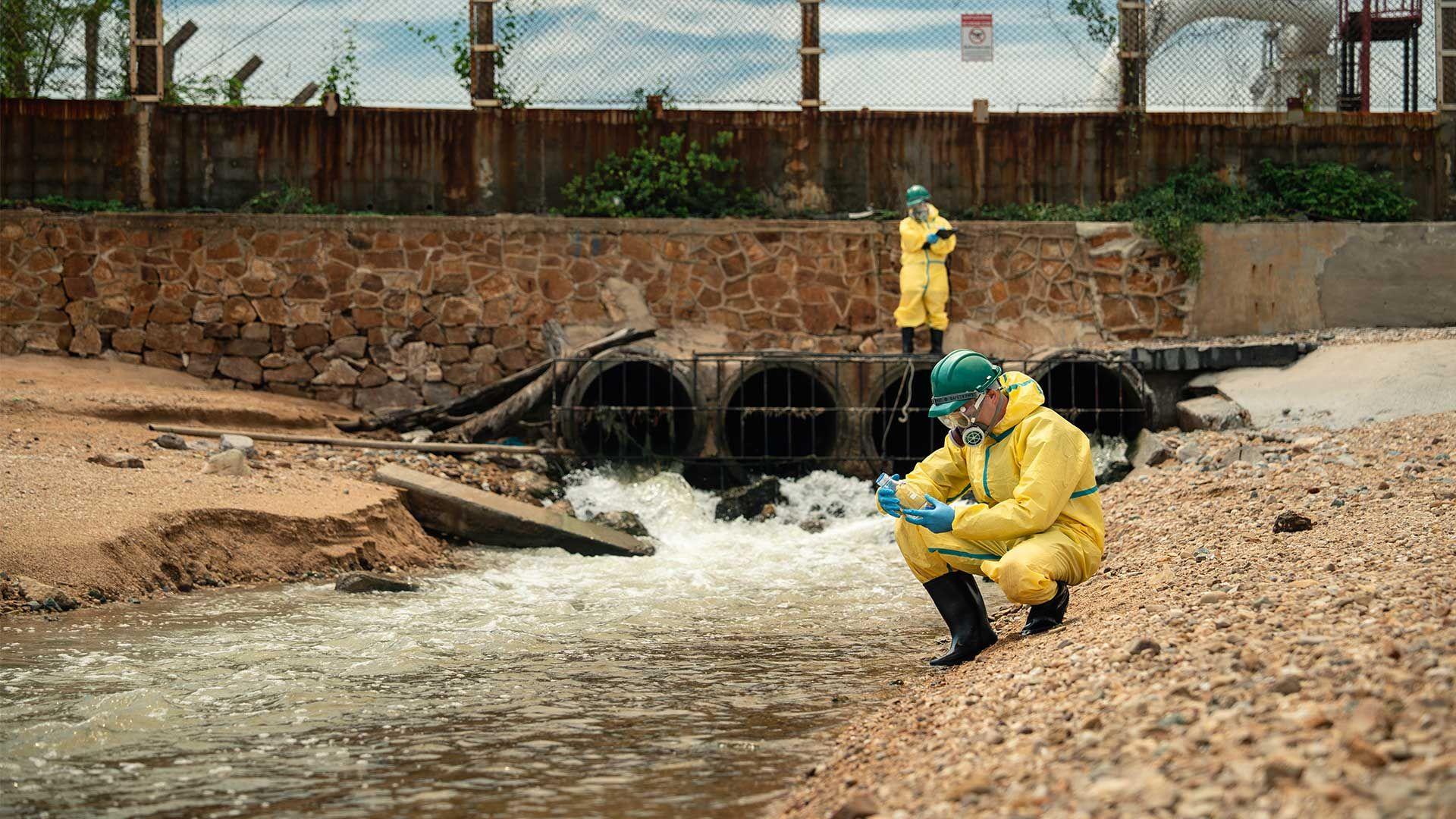
In July 2022, a 20-inch-diameter segment of the Osage crude-oil pipeline operated by Holly Energy Partners failed along a welded longitudinal seam. According to federal filings, the rupture discharged more than 7,100 barrels of crude oil onto restricted Sac and Fox allotment land and into Skull Creek, a tributary of the Cimarron River. Oil traveled through the creek channel and riparian corridor, affecting water, sediment, vegetation, and wildlife. Emergency teams constructed containment systems such as underflow dams, cleared oiled vegetation, and began recovering product as federal and tribal entities documented the extent of the spill.
Post-Spill Investigation and Clean Water Act Findings
Following the failure, the EPA and DOJ conducted a technical review focusing on the cause of the seam rupture, pipeline-integrity records, and ecological effects. Investigators confirmed that oil entered navigable waters and adjoining shorelines, establishing a violation of CWA § 311(b)(3). Sampling showed continuing contamination in creek sediments more than a year after the spill. These findings, combined with integrity-management concerns formed the basis for the federal civil complaint filed in January 2024.
January–March 2024 – Filing of Complaint and Entry of the Consent Decree
In January 2024, the United States filed its complaint and lodged a proposed consent decree in the U.S. District Court for the Western District of Oklahoma. After the required public-comment period, the court entered the Judgment – Consent in March 2024, formally resolving all CWA allegations.
The consent decree requires:
- $7.4 million in civil penalties
- Completion of environmental investigation and remediation under EPA oversight
- Implementation of a crack-management program addressing seam-weld vulnerabilities
- Strengthened spill-notification protocols, including direct notice to the Sac and Fox Nation
- Enhanced operator training and multi-year compliance reporting
- Ongoing monitoring until EPA issues a Final Pollution Report concluding remediation
These provisions create long-term operational and monitoring commitments beyond the monetary penalty.
Common Expert Witnesses in Oil-Spill and Pipeline-Failure Litigation
-
Pipeline Integrity and Engineering Expert Witness
Professionals who analyze pipeline construction, seam-weld behavior, rupture mechanics, inspection data, and integrity-management practices.
-
Environmental Scientists and Ecology Expert Witness
Experts who evaluate habitat disturbance, water-quality degradation, soil and sediment impacts, and the long-term ecological effects of petroleum releases.
-
Clean Water Act and Regulatory-Compliance Expert Witness
Specialists who interpret federal spill-prevention and discharge-reporting requirements and assess whether an operator’s practices meet CWA standards.
-
Oil-Spill Response and Remediation Expert Witness
Experts who review cleanup tactics, containment strategies, waste-management practices, and the adequacy of mitigation efforts.
Legal and Technical Takeaways for Environmental and Pipeline Litigation
- Clean Water Act Liability: Unpermitted discharges of oil into navigable waters generally trigger federal liability under the CWA, with limited statutory defenses.
- Integrity-Management Duties: Operators must maintain thorough documentation of crack assessments, seam-weld evaluations, and inspection results to demonstrate compliance with federal pipeline-safety expectations.
- Tribal-Land Considerations: Spills on allotted tribal lands require coordination with tribal governments and may involve cultural-resource review and land-use restrictions.
- Scope of Consent Decrees: Federal environmental settlements often mandate multi-year oversight, remedial obligations, and operator-training requirements in addition to civil penalties.
- Environmental-Harm Factors: Penalty and injunctive terms frequently reflect discharge volume, affected waterways, wildlife impacts, and the persistence of contamination.
Conclusion
United States v. Holly Energy Partners–Operating, L.P. and Osage Pipe Line Company, LLC demonstrates how pipeline-integrity failures and seam ruptures can produce substantial federal liability when oil reaches waterways and sensitive tribal lands. The case highlights how federal agencies assess environmental harm, impose corrective measures, and monitor compliance through consent decrees. For attorneys, it underscores the importance of technical documentation, environmental sampling, and intergovernmental coordination in oil-spill enforcement actions.