Oil And Gas, +5
Oil and Gas
Loading
Oil and Gas
6 min read
Areas of Expertise :
Electrical Engineering, Corrosion, Dairy, Economic Damages, Pipelines

Published Date:
Last Modified Date:
Jurisdiction:
Iowa State
Vagts v. Northern Natural Gas Company is an Iowa Supreme Court decision addressing alleged stray electrical current associated with a natural gas pipeline’s cathodic protection system and its impact on a dairy farming operation. The dispute arose from claims that electrical current used to prevent corrosion of an interstate pipeline migrated into the farm’s electrical environment, interfering with dairy operations and causing economic loss.
Rather than turning on traditional negligence principles, the case centered on whether the alleged electrical interference constituted a substantial and unreasonable interference with the plaintiffs’ use and enjoyment of their property under Iowa nuisance law. In an opinion filed on June 21, 2024, and later amended on August 30, 2024, the Iowa Supreme Court affirmed a jury verdict in favor of the plaintiffs.
The decision is frequently cited in discussions of electrically energized infrastructure because it shows how Iowa courts analyze nuisance claims involving cathodic protection systems, unintended electrical effects, and property-level impacts on agricultural operations.
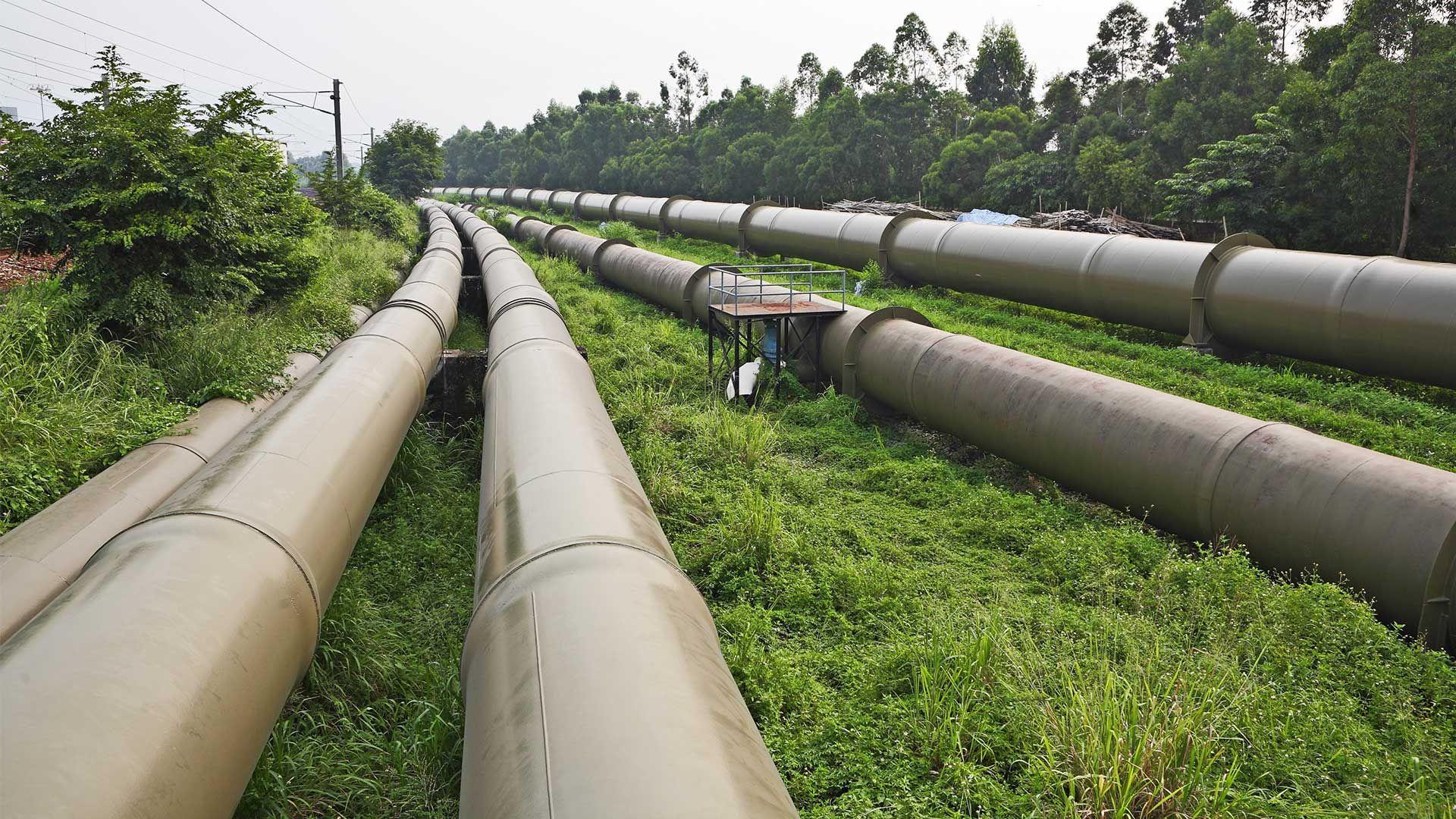
Northern Natural Gas Company obtained a pipeline easement across the Vagts family property in 1960, followed by a separate easement in 1961 authorizing the installation and operation of a cathodic protection system. In 1964, Northern installed an interstate natural gas pipeline beneath the property along with an anode bed designed to deliver electrical current to prevent corrosion.
Cathodic protection systems of this type are widely used in the pipeline industry to reduce corrosion-related failures and extend pipeline service life.
In 2013, Northern replaced the existing anode bed associated with the cathodic protection system. According to the trial record, the Vagts’ dairy operation began experiencing herd health concerns and reduced milk production following the replacement.
In 2017, the family expanded its dairy facilities, including barns and milking structures located above or near the pipeline corridor. These developments became relevant to the factual and causation analysis presented at trial.
After years of operational concerns, the Vagts investigated whether electrical conditions on the farm were contributing to their losses. Testing focused on voltage measurements, grounding conditions, and the presence of electrical current, primarily direct current (DC), associated with the cathodic protection system.
Northern Natural Gas maintained that measured electrical levels fell within industry guidance thresholds. The plaintiffs, however, contended that the electrical conditions nonetheless interfered with dairy operations. In late October 2020, Northern shut down a rectifier closest to the dairy facilities and made additional system adjustments. The parties disputed whether these measures resolved the alleged interference or addressed past harm.
The Vagts filed suit in March 2021, asserting nuisance-based claims against Northern Natural Gas. Although negligence claims were initially pleaded, those claims were later dismissed, and the case proceeded to trial solely on a nuisance theory.
The central question for the jury was whether the cathodic protection system’s electrical effects substantially and unreasonably interfered with the plaintiffs’ use and enjoyment of their property. Following a jury trial in January 2023, the jury returned a verdict of approximately $4.75 million, including damages for economic losses related to dairy operations and compensation for personal inconvenience, annoyance, discomfort, and loss of use and enjoyment of the property.
Northern Natural Gas appealed, challenging the legal standards applied and the sufficiency of the evidence supporting causation and damages. In its June 21, 2024 opinion, later amended on August 30, 2024, the Iowa Supreme Court affirmed the judgment.
The Court held that nuisance liability under Iowa law does not require proof of negligence and concluded that substantial evidence supported the jury’s finding of unreasonable interference. The Court also declined to order remittitur, leaving the damages award intact.
Court:
Iowa Supreme Court
Case Name:
Vagts LLC v. Northern Natural Gas Company
Corrosion Engineering
Electrical Grounding
Electrical Systems
High Voltage
Gas Piping
Farm Management
Soil Engineering
Damages Calculations
Vagts v. Northern Natural Gas Company is an Iowa Supreme Court decision addressing alleged stray electrical current associated with a natural gas pipeline’s cathodic protection system and its impact on a dairy farming operation. The dispute arose from claims that electrical current used to prevent corrosion of an interstate pipeline migrated into the farm’s electrical environment, interfering with dairy operations and causing economic loss.
Rather than turning on traditional negligence principles, the case centered on whether the alleged electrical interference constituted a substantial and unreasonable interference with the plaintiffs’ use and enjoyment of their property under Iowa nuisance law. In an opinion filed on June 21, 2024, and later amended on August 30, 2024, the Iowa Supreme Court affirmed a jury verdict in favor of the plaintiffs.
The decision is frequently cited in discussions of electrically energized infrastructure because it shows how Iowa courts analyze nuisance claims involving cathodic protection systems, unintended electrical effects, and property-level impacts on agricultural operations.
Northern Natural Gas Company obtained a pipeline easement across the Vagts family property in 1960, followed by a separate easement in 1961 authorizing the installation and operation of a cathodic protection system. In 1964, Northern installed an interstate natural gas pipeline beneath the property along with an anode bed designed to deliver electrical current to prevent corrosion.
Cathodic protection systems of this type are widely used in the pipeline industry to reduce corrosion-related failures and extend pipeline service life.
In 2013, Northern replaced the existing anode bed associated with the cathodic protection system. According to the trial record, the Vagts’ dairy operation began experiencing herd health concerns and reduced milk production following the replacement.
In 2017, the family expanded its dairy facilities, including barns and milking structures located above or near the pipeline corridor. These developments became relevant to the factual and causation analysis presented at trial.
After years of operational concerns, the Vagts investigated whether electrical conditions on the farm were contributing to their losses. Testing focused on voltage measurements, grounding conditions, and the presence of electrical current, primarily direct current (DC), associated with the cathodic protection system.
Northern Natural Gas maintained that measured electrical levels fell within industry guidance thresholds. The plaintiffs, however, contended that the electrical conditions nonetheless interfered with dairy operations. In late October 2020, Northern shut down a rectifier closest to the dairy facilities and made additional system adjustments. The parties disputed whether these measures resolved the alleged interference or addressed past harm.
The Vagts filed suit in March 2021, asserting nuisance-based claims against Northern Natural Gas. Although negligence claims were initially pleaded, those claims were later dismissed, and the case proceeded to trial solely on a nuisance theory.
The central question for the jury was whether the cathodic protection system’s electrical effects substantially and unreasonably interfered with the plaintiffs’ use and enjoyment of their property. Following a jury trial in January 2023, the jury returned a verdict of approximately $4.75 million, including damages for economic losses related to dairy operations and compensation for personal inconvenience, annoyance, discomfort, and loss of use and enjoyment of the property.
Northern Natural Gas appealed, challenging the legal standards applied and the sufficiency of the evidence supporting causation and damages. In its June 21, 2024 opinion, later amended on August 30, 2024, the Iowa Supreme Court affirmed the judgment.
The Court held that nuisance liability under Iowa law does not require proof of negligence and concluded that substantial evidence supported the jury’s finding of unreasonable interference. The Court also declined to order remittitur, leaving the damages award intact.
Electrical Engineering Expert Witness
Electrical engineering experts are commonly consulted in stray voltage disputes to evaluate cathodic protection system design, current flow behavior, grounding configurations, and voltage measurements. Their analyses often address whether electrical current could migrate beyond intended pathways and affect nearby facilities.
Cathodic Protection and Corrosion Expert Witness
Cathodic protection experts typically explain how corrosion-prevention systems operate, identify applicable industry standards, and assess how soil resistivity, system configuration, and site-specific conditions may influence current distribution.
Agricultural and Dairy Production Expert Witness
In cases involving livestock operations, agricultural or dairy production experts are frequently engaged to review herd behavior, milk production data, and environmental influences. Their testimony may assist in assessing whether electrical conditions plausibly contributed to operational losses.
Economic Damages Expert Witness
Damages experts commonly analyze production records, operating expenses, and historical performance data to quantify alleged economic losses and evaluate the reasonableness of claimed damages.
Nuisance Liability Does Not Require Negligence Proof
Under Iowa law, nuisance claims may proceed without establishing negligence, shifting the litigation focus toward causation and substantial interference.
Electrical Testing and Documentation Are Central
Objective measurements of voltage, current gradients, and grounding conditions often play a decisive role in stray voltage litigation. Early, well-documented testing can be critical.
Industry Guidelines Are Not Dispositive
Evidence that electrical readings fall within industry guidance thresholds does not automatically preclude liability if a jury finds substantial interference with property use.
Interdisciplinary Analysis Strengthens Causation Proof
Coordinating electrical engineering, agricultural, and economic analyses can help connect technical findings to real-world operational and financial impacts.
Infrastructure Operators Should Assess Property-Level Effects
Operators of electrically energized infrastructure may face exposure where system operation produces unintended electrical conditions affecting neighboring or overlying properties.
Vagts v. Northern Natural Gas Company demonstrates how cathodic protection systems, while essential for pipeline integrity, can give rise to complex stray voltage and electrical interference claims. The Iowa Supreme Court’s decision reinforces the potential for nuisance liability where electrically energized infrastructure substantially interferes with property use, even in the absence of negligence.
For lawyers and litigators, the case signifies the importance of rigorous electrical analysis, clear causation frameworks, and well-supported damages evidence when addressing technically complex disputes involving pipelines, power systems, and agricultural operations.

What electrical system was at issue in this case?
The dispute involved a cathodic protection system used to prevent corrosion in a natural gas pipeline.
Was negligence required to establish liability?
No. The Iowa Supreme Court confirmed that nuisance liability under Iowa law does not require proof of negligence.
Why are cathodic protection systems relevant to stray voltage disputes?
These systems intentionally introduce electrical current, which under certain conditions may affect surrounding soil and nearby electrical environments.
How did the Iowa Supreme Court evaluate technical and expert evidence in this case?
The Iowa Supreme Court reviewed whether substantial evidence supported the jury’s finding that electrical conditions associated with the pipeline’s cathodic protection system substantially and unreasonably interfered with the plaintiffs’ property use. The Court emphasized that it does not reweigh competing technical opinions on appeal. Instead, it examined whether the trial record contained sufficient evidence, including electrical testing data, operational history, and expert-supported analyses, from which a reasonable jury could find causation and interference under Iowa nuisance law.
What does this decision mean for pipeline operators and electrically energized infrastructure projects in Iowa?
The decision confirms that operators of pipelines and other electrically energized infrastructure in Iowa may face nuisance liability when system operations produce unintended electrical effects that interfere with neighboring property use, even if the system complies with industry standards and negligence is not proven. Public records show that the Court treated property-level impacts and interference as the central inquiry, reinforcing that compliance with technical guidelines does not categorically bar nuisance claims where substantial interference is established.
Electrical Engineering Expert Witness
Electrical engineering experts are commonly consulted in stray voltage disputes to evaluate cathodic protection system design, current flow behavior, grounding configurations, and voltage measurements. Their analyses often address whether electrical current could migrate beyond intended pathways and affect nearby facilities.
Cathodic Protection and Corrosion Expert Witness
Cathodic protection experts typically explain how corrosion-prevention systems operate, identify applicable industry standards, and assess how soil resistivity, system configuration, and site-specific conditions may influence current distribution.
Agricultural and Dairy Production Expert Witness
In cases involving livestock operations, agricultural or dairy production experts are frequently engaged to review herd behavior, milk production data, and environmental influences. Their testimony may assist in assessing whether electrical conditions plausibly contributed to operational losses.
Economic Damages Expert Witness
Damages experts commonly analyze production records, operating expenses, and historical performance data to quantify alleged economic losses and evaluate the reasonableness of claimed damages.
Nuisance Liability Does Not Require Negligence Proof
Under Iowa law, nuisance claims may proceed without establishing negligence, shifting the litigation focus toward causation and substantial interference.
Electrical Testing and Documentation Are Central
Objective measurements of voltage, current gradients, and grounding conditions often play a decisive role in stray voltage litigation. Early, well-documented testing can be critical.
Industry Guidelines Are Not Dispositive
Evidence that electrical readings fall within industry guidance thresholds does not automatically preclude liability if a jury finds substantial interference with property use.
Interdisciplinary Analysis Strengthens Causation Proof
Coordinating electrical engineering, agricultural, and economic analyses can help connect technical findings to real-world operational and financial impacts.
Infrastructure Operators Should Assess Property-Level Effects
Operators of electrically energized infrastructure may face exposure where system operation produces unintended electrical conditions affecting neighboring or overlying properties.
Vagts v. Northern Natural Gas Company demonstrates how cathodic protection systems, while essential for pipeline integrity, can give rise to complex stray voltage and electrical interference claims. The Iowa Supreme Court’s decision reinforces the potential for nuisance liability where electrically energized infrastructure substantially interferes with property use, even in the absence of negligence.
For lawyers and litigators, the case signifies the importance of rigorous electrical analysis, clear causation frameworks, and well-supported damages evidence when addressing technically complex disputes involving pipelines, power systems, and agricultural operations.
What electrical system was at issue in this case?
The dispute involved a cathodic protection system used to prevent corrosion in a natural gas pipeline.
Was negligence required to establish liability?
No. The Iowa Supreme Court confirmed that nuisance liability under Iowa law does not require proof of negligence.
Why are cathodic protection systems relevant to stray voltage disputes?
These systems intentionally introduce electrical current, which under certain conditions may affect surrounding soil and nearby electrical environments.
How did the Iowa Supreme Court evaluate technical and expert evidence in this case?
The Iowa Supreme Court reviewed whether substantial evidence supported the jury’s finding that electrical conditions associated with the pipeline’s cathodic protection system substantially and unreasonably interfered with the plaintiffs’ property use. The Court emphasized that it does not reweigh competing technical opinions on appeal. Instead, it examined whether the trial record contained sufficient evidence, including electrical testing data, operational history, and expert-supported analyses, from which a reasonable jury could find causation and interference under Iowa nuisance law.
What does this decision mean for pipeline operators and electrically energized infrastructure projects in Iowa?
The decision confirms that operators of pipelines and other electrically energized infrastructure in Iowa may face nuisance liability when system operations produce unintended electrical effects that interfere with neighboring property use, even if the system complies with industry standards and negligence is not proven. Public records show that the Court treated property-level impacts and interference as the central inquiry, reinforcing that compliance with technical guidelines does not categorically bar nuisance claims where substantial interference is established.
Oil and Gas
Hydrology, +4
Oil and Gas
Electrical Engineering, +4
Oil and Gas