Trademarks, +7
Healthcare
Loading
Healthcare
6 min read
Areas of Expertise :
Breach Of Contract, Economic Damages, Healthcare, Regulatory Compliance, Arbitration & Mediation

Published Date:
Last Modified Date:
Jurisdiction:
Federal. District of Delaware
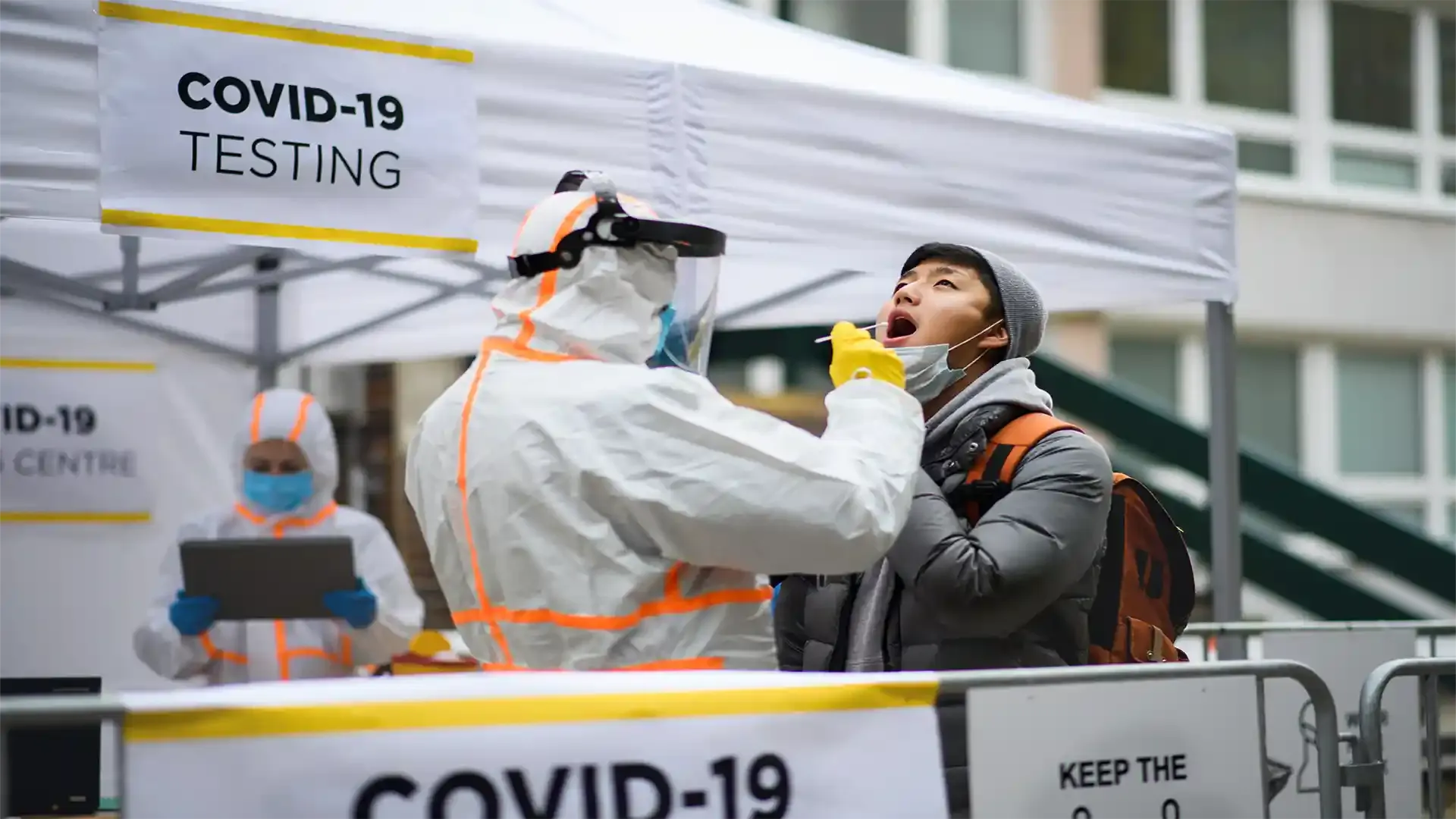
Walgreen Co. v. PWNHealth, LLC, now operating as Everly Health Solutions, arose from a high-value commercial contract dispute tied to COVID-19 testing services during the early stages of the pandemic. In 2020, Walgreens and PWNHealth entered into a testing services relationship as Walgreens expanded COVID-19 testing access through its online and retail platform.
The dispute centered on how the parties’ agreement assigned testing-related services, whether certain services were exclusive to PWNHealth, and how damages should be calculated if Walgreens moved work outside the arrangement. PWNHealth asserted that Walgreens breached the agreement by bringing certain services in-house. Walgreens denied liability, disputed PWNHealth’s interpretation of the contract, and challenged the damages theory.
The dispute proceeded through American Arbitration Association proceedings and then federal court in Delaware before the parties resolved the matter through a $595 million settlement finalized on February 24, 2025.
In 2020, Walgreens and PWNHealth/Everly entered into a COVID-19 testing services arrangement as Walgreens expanded testing access through its national retail platform. Walgreens used Everly’s physician network to support COVID-19 test orders initiated through Walgreens’ online system. The relationship became part of Walgreens’ early pandemic testing program. It later led to competing contract positions over service scope, exclusivity, operational control, and payment-related damages.
On June 10, 2022, PWNHealth initiated arbitration proceedings with the American Arbitration Association under the dispute-resolution terms in the parties’ agreement. PWNHealth alleged that the agreement gave it exclusive rights to certain testing-related services and that Walgreens breached the contract by bringing those services in-house. PWNHealth also raised additional claims connected to the parties’ commercial relationship, including inducement-related allegations and issues involving alleged misappropriation and improper use of PWN’s mark.
Walgreens denied liability and disputed PWNHealth’s reading of the agreement. The arbitration placed contract interpretation, service allocation, damages limits, and post-pandemic testing operations at the center of the dispute.
On March 19, 2024, the arbitrator issued a final award in favor of PWNHealth totaling approximately $988 million, including pre-award interest. Walgreens challenged the award, arguing that the arbitrator exceeded the authority granted under the agreement and that the damages award conflicted with contractual limits. Walgreens maintained that the agreement capped recoverable damages at $79 million. The arbitrator rejected that position in the final award.
Walgreens filed a petition in federal court in Delaware seeking to vacate or modify the arbitration award. PWNHealth moved to confirm the award. On February 10, 2025, the court confirmed the arbitration award and denied Walgreens’ motion to vacate. The court applied the deferential standard required under federal arbitration law and did not redecide the contract dispute or reweigh the arbitrator’s damages analysis. The ruling focused on whether the arbitrator acted within the authority granted by the parties’ agreement.
On February 24, 2025, Walgreens and PWNHealth reached a $595 million settlement resolving the dispute. Walgreens entered into the settlement to avoid continued post-award interest, further litigation costs, enforcement risk, and additional uncertainty. The settlement amount was payable within two business days. Walgreens’ later SEC materials reported that the $595 million Everly settlement payment was made during the last week of February 2025. The settlement included no admission of wrongdoing or liability.
Court:
United States District Court for the District of Delaware
Case Name:
Walgreen Co. v. PWNHealth, LLC
Contract Disputes
Damages Calculations
Healthcare Administration
Healthcare Law
Laboratory Testing
Regulatory Issues
Walgreen Co. v. PWNHealth, LLC, now operating as Everly Health Solutions, arose from a high-value commercial contract dispute tied to COVID-19 testing services during the early stages of the pandemic. In 2020, Walgreens and PWNHealth entered into a testing services relationship as Walgreens expanded COVID-19 testing access through its online and retail platform.
The dispute centered on how the parties’ agreement assigned testing-related services, whether certain services were exclusive to PWNHealth, and how damages should be calculated if Walgreens moved work outside the arrangement. PWNHealth asserted that Walgreens breached the agreement by bringing certain services in-house. Walgreens denied liability, disputed PWNHealth’s interpretation of the contract, and challenged the damages theory.
The dispute proceeded through American Arbitration Association proceedings and then federal court in Delaware before the parties resolved the matter through a $595 million settlement finalized on February 24, 2025.
In 2020, Walgreens and PWNHealth/Everly entered into a COVID-19 testing services arrangement as Walgreens expanded testing access through its national retail platform. Walgreens used Everly’s physician network to support COVID-19 test orders initiated through Walgreens’ online system. The relationship became part of Walgreens’ early pandemic testing program. It later led to competing contract positions over service scope, exclusivity, operational control, and payment-related damages.
On June 10, 2022, PWNHealth initiated arbitration proceedings with the American Arbitration Association under the dispute-resolution terms in the parties’ agreement. PWNHealth alleged that the agreement gave it exclusive rights to certain testing-related services and that Walgreens breached the contract by bringing those services in-house. PWNHealth also raised additional claims connected to the parties’ commercial relationship, including inducement-related allegations and issues involving alleged misappropriation and improper use of PWN’s mark.
Walgreens denied liability and disputed PWNHealth’s reading of the agreement. The arbitration placed contract interpretation, service allocation, damages limits, and post-pandemic testing operations at the center of the dispute.
On March 19, 2024, the arbitrator issued a final award in favor of PWNHealth totaling approximately $988 million, including pre-award interest. Walgreens challenged the award, arguing that the arbitrator exceeded the authority granted under the agreement and that the damages award conflicted with contractual limits. Walgreens maintained that the agreement capped recoverable damages at $79 million. The arbitrator rejected that position in the final award.
Walgreens filed a petition in federal court in Delaware seeking to vacate or modify the arbitration award. PWNHealth moved to confirm the award. On February 10, 2025, the court confirmed the arbitration award and denied Walgreens’ motion to vacate. The court applied the deferential standard required under federal arbitration law and did not redecide the contract dispute or reweigh the arbitrator’s damages analysis. The ruling focused on whether the arbitrator acted within the authority granted by the parties’ agreement.
On February 24, 2025, Walgreens and PWNHealth reached a $595 million settlement resolving the dispute. Walgreens entered into the settlement to avoid continued post-award interest, further litigation costs, enforcement risk, and additional uncertainty. The settlement amount was payable within two business days. Walgreens’ later SEC materials reported that the $595 million Everly settlement payment was made during the last week of February 2025. The settlement included no admission of wrongdoing or liability.
Contract Damages and Financial Analysis Expert Witness
Financial and accounting experts are often used in commercial disputes to evaluate damages models, pricing structures, lost revenue claims, and contractual limitations on recovery. In large service agreements, these experts may analyze transaction volume, payment terms, interest calculations, and competing damages theories.
Healthcare Operations and Regulatory Compliance Expert Witness
Healthcare operations experts may explain physician-network oversight, testing workflows, operational responsibilities, and regulatory considerations in multi-state healthcare programs. Their analysis can provide context on how healthcare services are delivered and how operational changes may affect contractual performance.
Commercial Contract Interpretation and Industry Practice Expert Witness
Commercial contract experts may analyze exclusivity provisions, service obligations, payment structures, and industry practices in healthcare-services agreements. In complex commercial relationships, they may provide context on how disputed contract language aligns with standard business practices and operational expectations.
Arbitration Enforcement and Dispute-Resolution Expert Witness
Arbitration experts may address arbitral authority, procedural standards, award enforcement, and post-award litigation issues. Their analysis is often relevant in disputes involving motions to vacate, modify, or confirm arbitration awards in federal court.
Define Exclusivity, Service Scope, and Contract Carveouts Clearly
Large contract disputes often turn on whether exclusivity language, service obligations, and carveouts are specific enough to guide later interpretation. In urgent contracting environments, counsel should define the services covered, the services excluded, and the consequences of operational changes.
Evaluate Contract Damages, Volume, and Interest Exposure Early
Early damages modeling can help counsel evaluate exposure before arbitration or litigation escalates. Lawyers should test how pricing terms, transaction volume, service periods, interest, and contract limitations affect the potential value of the dispute.
Review Arbitration Clauses Before Disputes Escalate
Arbitration provisions can affect the path and outcome of a dispute. Once an award is issued, judicial review is narrow, and a party seeking to overturn a substantial damages award must meet a demanding legal standard.
Analyze Healthcare Services Operations and Compliance Duties
Healthcare services contracts often involve physician networks, testing workflows, privacy obligations, compliance duties, and multi-jurisdictional regulatory requirements. Counsel should evaluate those operational details when assessing alleged breaches and contract performance.
Assess Post-Award Interest, Enforcement, and Settlement Exposure
After a large arbitration award is confirmed, settlement dynamics can shift quickly. Interest accrual, enforcement risk, business disruption, and the cost of further proceedings may influence settlement decisions apart from the parties’ positions on the underlying merits.
The Walgreens–PWNHealth dispute arose from a pandemic-era healthcare services arrangement involving COVID-19 testing operations, physician-network support, exclusivity claims, and disputed damages limits. The arbitration resulted in an award of approximately $988 million, including pre-award interest.
The Delaware federal court confirmed the award on February 10, 2025, after applying the narrow review standard for arbitration awards. Walgreens and PWNHealth then resolved the dispute through a $595 million settlement finalized on February 24, 2025. Walgreens’ later SEC materials reported that the Everly settlement payment was made during the last week of February 2025.

What was the Walgreens v. PWNHealth arbitration award amount?
The arbitrator issued an award of approximately $988 million in favor of PWNHealth, including pre-award interest. Walgreens challenged the award in federal court, and the Delaware court confirmed it on February 10, 2025.
What was the Walgreens–PWNHealth settlement amount?
Walgreens and PWNHealth resolved the dispute through a $595 million settlement finalized on February 24, 2025. Walgreens’ later SEC materials reported that the Everly settlement payment was made during the last week of February 2025.
What damages limitation did Walgreens raise in challenging the award?
Walgreens argued that the agreement capped recoverable damages at $79 million. The arbitrator rejected that position, and the Delaware federal court declined to vacate or modify the award on that basis.
Why did the Delaware federal court confirm the arbitration award?
Federal arbitration law gives courts limited authority to revisit an arbitrator’s decision. The court focused on whether the arbitrator acted within the authority granted by the agreement, rather than redeciding the contract and damages issues.
Did the court review the arbitrator’s damages analysis again?
No. The court declined to reweigh the merits of the damages analysis and applied the narrow review standard that governs arbitration awards.
Did Walgreens admit liability in the PWNHealth settlement?
No. The $595 million settlement resolved the dispute without any admission of wrongdoing or liability.
Contract Damages and Financial Analysis Expert Witness
Financial and accounting experts are often used in commercial disputes to evaluate damages models, pricing structures, lost revenue claims, and contractual limitations on recovery. In large service agreements, these experts may analyze transaction volume, payment terms, interest calculations, and competing damages theories.
Healthcare Operations and Regulatory Compliance Expert Witness
Healthcare operations experts may explain physician-network oversight, testing workflows, operational responsibilities, and regulatory considerations in multi-state healthcare programs. Their analysis can provide context on how healthcare services are delivered and how operational changes may affect contractual performance.
Commercial Contract Interpretation and Industry Practice Expert Witness
Commercial contract experts may analyze exclusivity provisions, service obligations, payment structures, and industry practices in healthcare-services agreements. In complex commercial relationships, they may provide context on how disputed contract language aligns with standard business practices and operational expectations.
Arbitration Enforcement and Dispute-Resolution Expert Witness
Arbitration experts may address arbitral authority, procedural standards, award enforcement, and post-award litigation issues. Their analysis is often relevant in disputes involving motions to vacate, modify, or confirm arbitration awards in federal court.
Define Exclusivity, Service Scope, and Contract Carveouts Clearly
Large contract disputes often turn on whether exclusivity language, service obligations, and carveouts are specific enough to guide later interpretation. In urgent contracting environments, counsel should define the services covered, the services excluded, and the consequences of operational changes.
Evaluate Contract Damages, Volume, and Interest Exposure Early
Early damages modeling can help counsel evaluate exposure before arbitration or litigation escalates. Lawyers should test how pricing terms, transaction volume, service periods, interest, and contract limitations affect the potential value of the dispute.
Review Arbitration Clauses Before Disputes Escalate
Arbitration provisions can affect the path and outcome of a dispute. Once an award is issued, judicial review is narrow, and a party seeking to overturn a substantial damages award must meet a demanding legal standard.
Analyze Healthcare Services Operations and Compliance Duties
Healthcare services contracts often involve physician networks, testing workflows, privacy obligations, compliance duties, and multi-jurisdictional regulatory requirements. Counsel should evaluate those operational details when assessing alleged breaches and contract performance.
Assess Post-Award Interest, Enforcement, and Settlement Exposure
After a large arbitration award is confirmed, settlement dynamics can shift quickly. Interest accrual, enforcement risk, business disruption, and the cost of further proceedings may influence settlement decisions apart from the parties’ positions on the underlying merits.
The Walgreens–PWNHealth dispute arose from a pandemic-era healthcare services arrangement involving COVID-19 testing operations, physician-network support, exclusivity claims, and disputed damages limits. The arbitration resulted in an award of approximately $988 million, including pre-award interest.
The Delaware federal court confirmed the award on February 10, 2025, after applying the narrow review standard for arbitration awards. Walgreens and PWNHealth then resolved the dispute through a $595 million settlement finalized on February 24, 2025. Walgreens’ later SEC materials reported that the Everly settlement payment was made during the last week of February 2025.
What was the Walgreens v. PWNHealth arbitration award amount?
The arbitrator issued an award of approximately $988 million in favor of PWNHealth, including pre-award interest. Walgreens challenged the award in federal court, and the Delaware court confirmed it on February 10, 2025.
What was the Walgreens–PWNHealth settlement amount?
Walgreens and PWNHealth resolved the dispute through a $595 million settlement finalized on February 24, 2025. Walgreens’ later SEC materials reported that the Everly settlement payment was made during the last week of February 2025.

What damages limitation did Walgreens raise in challenging the award?
Walgreens argued that the agreement capped recoverable damages at $79 million. The arbitrator rejected that position, and the Delaware federal court declined to vacate or modify the award on that basis.
Why did the Delaware federal court confirm the arbitration award?
Federal arbitration law gives courts limited authority to revisit an arbitrator’s decision. The court focused on whether the arbitrator acted within the authority granted by the agreement, rather than redeciding the contract and damages issues.
Did the court review the arbitrator’s damages analysis again?
No. The court declined to reweigh the merits of the damages analysis and applied the narrow review standard that governs arbitration awards.
Did Walgreens admit liability in the PWNHealth settlement?
No. The $595 million settlement resolved the dispute without any admission of wrongdoing or liability.
Medical Devices, +4
Healthcare
Healthcare, +4
Healthcare