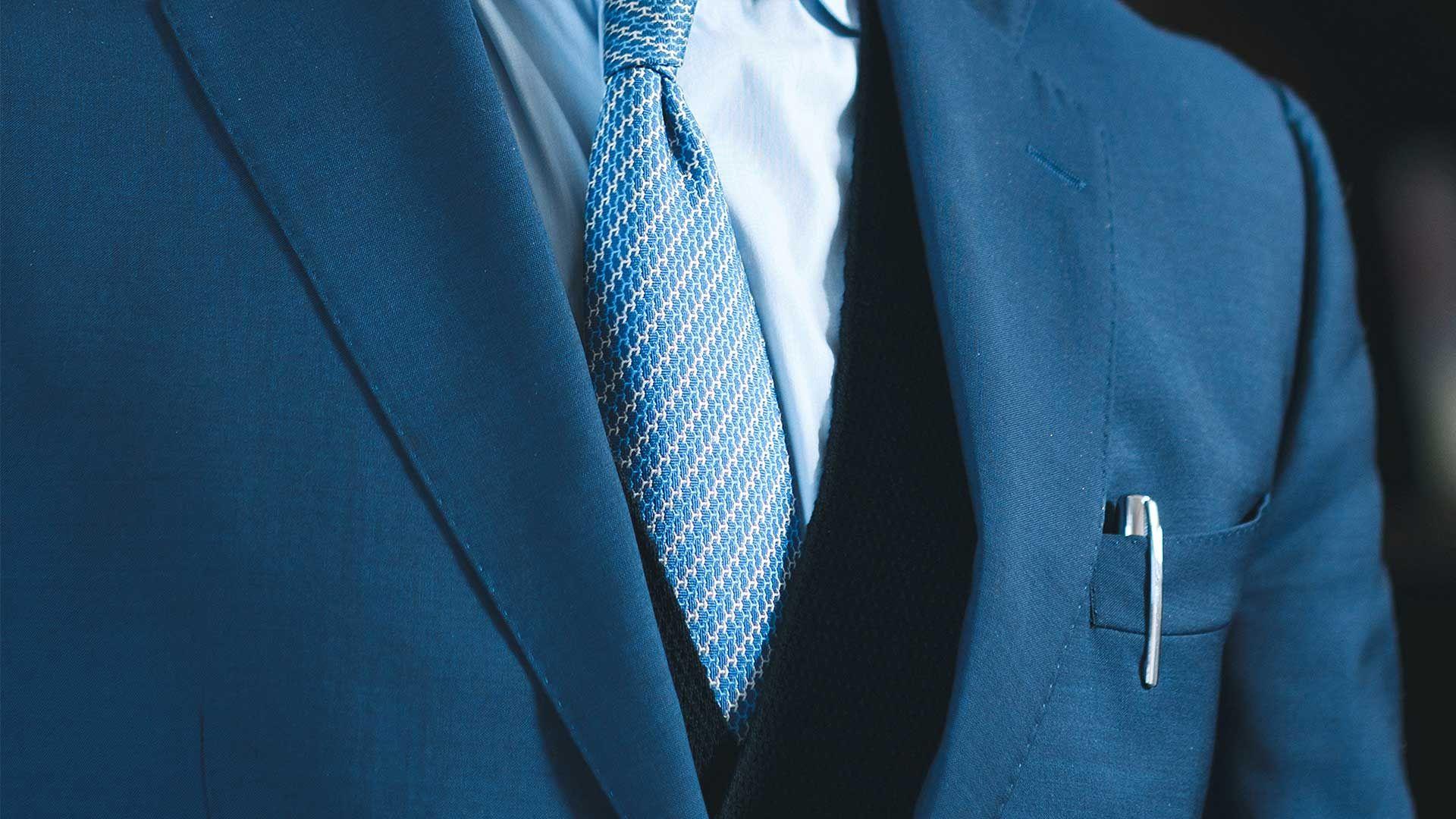
In practice, an expert witness’s credibility often depends on the quality of the work and how clearly the expert explains it, along with the expert’s neutrality and consistency. Court is also a formal setting, so many attorneys treat appearance as part of a witness’s overall presentation.
What an expert witness wears to court does not, by itself, determine admissibility under expert-evidence standards. In federal court, admissibility turns on Evidence Rule 702 and related requirements, not wardrobe. Even so, business-appropriate attire can help keep the focus on the testimony rather than on avoidable distractions.
This guide explains what expert witnesses should wear to court, what to avoid, and how to make attire choices that support a neutral, professional presentation.
Why Expert Witness Appearance Matters in Court
Expert testimony is evaluated under legal standards that address the substance of the opinion. In federal court, Rule 702 asks whether the expert’s opinion rests on an adequate factual foundation, relies on reliable methods, and reflects a reliable application of those methods to the case facts.
Even when the law focuses on the work, courtroom presentation still matters as a practical consideration. Some courts publish etiquette guidance encouraging business-appropriate clothing and a respectful appearance. The point is not fashion. The point is keeping attention on the testimony rather than on avoidable distractions.
Practice-based example: In some cases, attorneys may ask technical experts to avoid branded fieldwear or uniforms in court. Not because clothing changes qualifications, but because visible branding can invite side questions about affiliation that take time away from the expert’s analysis. A simple, neutral outfit can remove that issue entirely.
Is There a Dress Code for Expert Witnesses?
The Federal Rules of Evidence set admissibility standards for testimony and evidence, but they do not provide a dress-code rule for expert witnesses. That said, courts often have decorum expectations and published guidance about courtroom etiquette and appropriate attire.
Practical takeaway: Ask counsel what is expected in that courtroom. If you are unsure, conservative, business-appropriate clothing is usually a safe approach.
Does Courtroom Attire Affect Expert Credibility?
Attire is not part of the expert admissibility analysis, but it can raise decorum issues if it violates court expectations. As a practical matter, some attorneys consider presentation because it can affect how testimony is received.
A good goal is simple: avoid giving the factfinder or opposing counsel any reason to focus on the outfit rather than the reasoning. Neutral, non-distracting clothing supports that goal.
General Principles for Expert Witness Courtroom Attire
Courtroom culture can vary by location, but these practical principles tend to travel well.
- Neutrality comes first
Avoid anything that signals affiliation, personal viewpoints, or “team” alignment. - Professional beats attention-grabbing
Some courts encourage business-appropriate attire and a respectful appearance. - Avoid distractions
Loud patterns and highly noticeable accessories can pull attention away from testimony. - Consistency helps
A steady, professional look can help reinforce that you are there to educate, not perform. - Fit and condition matter
Clean, pressed clothing and appropriate shoes help avoid a sloppy impression.
What Expert Witnesses Should Wear to Court
Default Recommendation: Business-Appropriate Attire
A business-appropriate look is a conservative choice and aligns with etiquette guidance some courts publish for courtroom attire. Some courts note that clothing may be casual, but it should still be appropriate for the seriousness of the court’s business.
For men, a common approach includes:
- Dark or neutral suit
- Long-sleeve dress shirt
- Conservative tie, depending on local norms and counsel’s guidance
- Polished dress shoes
For women, a common approach includes:
- Tailored suit or professional dress
- Conservative blouse or top
- Closed-toe shoes with a modest heel or flat
Clothing should be clean, pressed, and properly fitted. When in doubt, choose professional and non-distracting.
A Note on “Blending In”
One practical rule of thumb is that the best courtroom outfit is often the one nobody notices. If your clothing blends in, your testimony stands out for the right reasons.
What Expert Witnesses Should Avoid Wearing
Some choices can create avoidable side issues and are best avoided.
- Casual clothing
Jeans, sneakers, polo shirts, t-shirts, hoodies, and casual sweaters may be viewed as too informal for court. - Loud or flashy colors
Bright hues, bold patterns, and novelty designs can distract from testimony. - Excessive accessories
Large jewelry, noisy items, and statement pieces can draw attention away from your analysis. - Clothing that signals bias
Visible logos, slogans, pins, or symbols can be framed as advocacy or affiliation, even if that is not your intent.
For example, some courts have decorum rules that bar spectators, counsel, and parties from carrying signs or displaying pins, buttons, or other message-driven materials while a trial is proceeding. The safest move for experts is to avoid message-driven clothing or accessories altogether.
Should Experts Dress Like Their Profession?
Experts often ask whether they should dress the way they do at work.
Because court is formal, business-appropriate attire is a conservative default, even for experts who normally work in labs, job sites, plants, or clinical settings. The point is not to mirror the workplace. The point is to show respect for the process and present as a neutral educator.
Counsel may sometimes allow modest flexibility depending on the court, the setting, and local norms. Even then, it helps to keep your appearance consistent and professional so the focus stays on your methods and conclusions.
Virtual Testimony and Remote Appearances
If you testify remotely, dress as you would for an in-person court appearance.
Video can magnify small details, so it helps to be intentional about your setup. A professional outfit, good lighting, and a clean background support a clear presentation.
It also helps to understand the procedural posture. In federal civil trials, Rule 43 requires testimony in open court, and it permits contemporaneous transmission from another location only for good cause in compelling circumstances, with appropriate safeguards. Rule 43 addresses trial testimony. As a practical matter, deposition logistics are handled separately through the case’s discovery rules and court orders.
Remote testimony best practices include:
- Neutral background with minimal clutter
- Adequate lighting and a stable camera at eye level
- Avoiding patterns or fabrics that create screen distortion
- Muting notifications and ensuring a quiet environment
Key Takeaways for Expert Witnesses
- The Federal Rules of Evidence set admissibility standards, not clothing rules, but courts may have decorum expectations.
- Business-appropriate attire is a conservative default that aligns with etiquette guidance some courts publish.
- Clothing does not determine admissibility, but it can create distractions that affect how testimony is received.
- Treat attire as part of testimony preparation because it reduces avoidable side issues.
- For remote testimony, professional presentation matters, and Rule 43 sets a specific standard for contemporaneous transmission in federal civil trials.
Frequently Asked Questions
Is there an official dress code for expert witnesses in court?
The Federal Rules of Evidence generally do not set a dress code for expert witnesses. Court-specific decorum expectations and local guidance may still apply.
Can what an expert wears affect whether their testimony is admitted?
Typically, no. In federal court, admissibility turns on Evidence Rule 702 and related requirements, not on clothing. Attire is more likely to matter as a practical issue of professionalism and avoiding distractions.
What is the safest attire choice for expert testimony?
Business-appropriate attire is a conservative default, and some courts publish guidance that encourages respectful, appropriate clothing in the courtroom.
Should an expert wear a lab coat, hard hat, or uniform in court?
Usually not. Occupational attire can look staged or distracting. Traditional business-appropriate clothing typically keeps the focus on your analysis.
What clothing choices can undermine an expert witness’s credibility?
Clothing that looks casual, flashy, or message-driven can distract from testimony. Common examples include jeans, sneakers, t-shirts, visible slogans or symbols, prominent logos, loud patterns, and attention-grabbing accessories.
Do these recommendations change for virtual or remote testimony?
Not much. Dress as you would in person, and take extra care with lighting, camera placement, and background so your presentation stays professional.
Can attorneys direct an expert on what to wear for court?
Attorneys commonly give practical preparation guidance, including attire recommendations, to reduce avoidable issues and keep the focus on testimony.
Does courtroom attire matter more in jury trials than in bench trials?
It can, but in either setting, a professional, non-distracting appearance helps keep attention on the substance of the expert’s work.
References
- Federal Rules of Civil Procedure (December 1, 2025)
- Federal Rule of Civil Procedure 43: Taking Testimony
- Federal Rules of Evidence (December 1, 2025)
- Federal Rule of Evidence 702: Testimony by Expert Witnesses
- Third Judicial District Court (Kansas), Courtroom Etiquette
- Third Judicial District Court (Kansas), DCR 3.105 Courtroom Decorum
- U.S. District Court, Southern District of West Virginia, Dress Code and Courtroom Etiquette