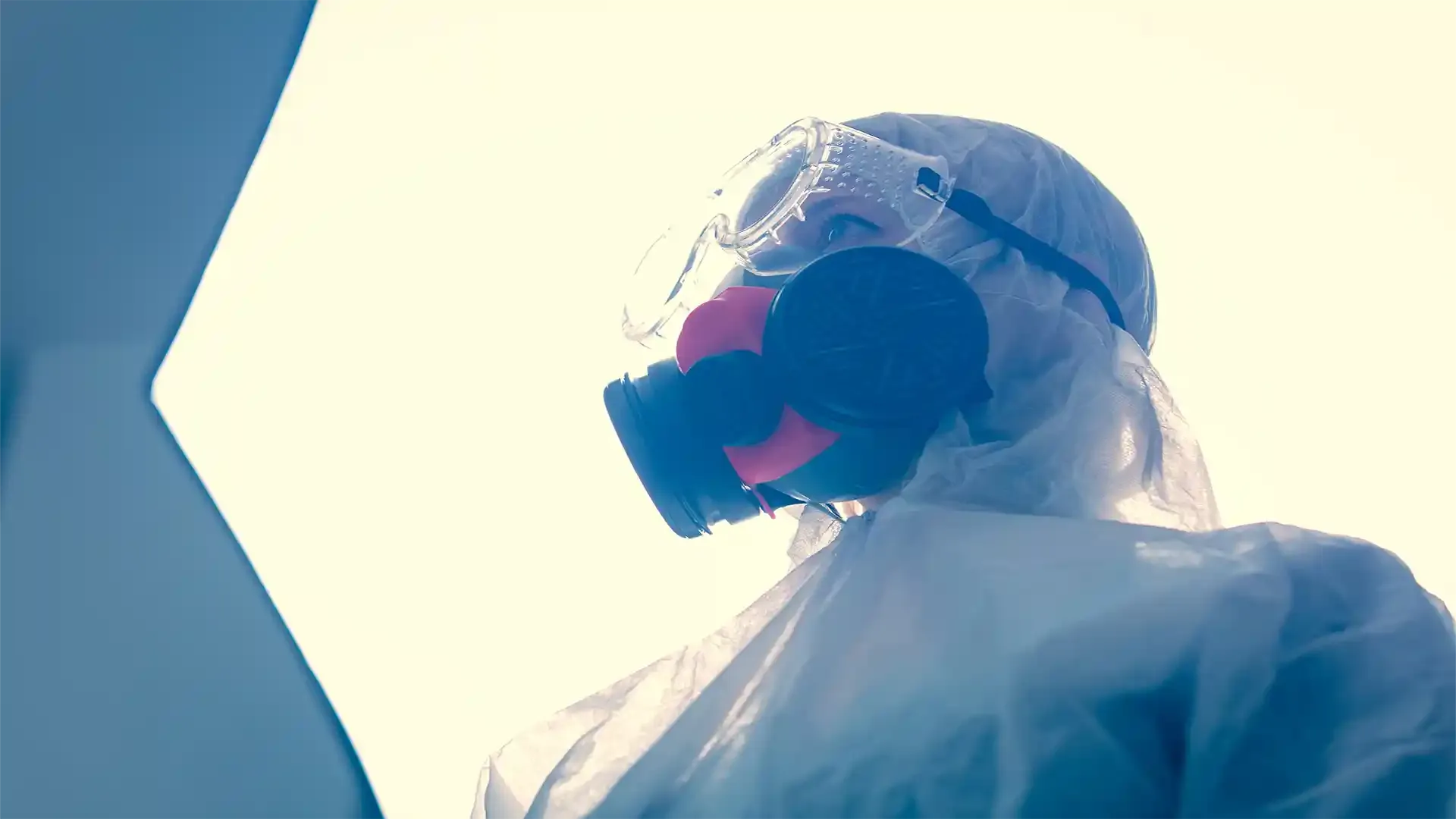
Legal Battle Over Alleged Toxic Exposure: Michael Perry v. Johnson & Johnson
Michael Perry, 53, alleges that decades of using Johnson & Johnson’s Baby Powder caused his mesothelioma due to asbestos contamination. Johnson & Johnson denies the presence of asbestos in its talc, arguing instead that Perry’s exposure may have resulted from working with asbestos-containing brake pads. The trial took place in the Richland County Court of Common Pleas in South Carolina, presided over by Judge Jean Toal.
Expert witnesses were central to the case, with both sides presenting scientific testimony on the alleged presence of asbestos in cosmetic talc. Perry’s attorneys used expert analysis to link his exposure to mesothelioma, while Johnson & Johnson’s experts challenged the validity of those claims. The trial underscores the impact of expert testimony in toxic exposure disputes.
Pivotal Turns in the Talc Trial: A Case Unfolds
-
Lawsuit Filed & Claims Made:
Michael Perry, 53, sued Johnson & Johnson, alleging nearly 50 years of using Baby Powder led to his mesothelioma due to asbestos contamination.
-
Trial Proceedings & Defense Arguments
Trial featured expert witness testimonies from both sides. Perry’s legal team argued the talc contained asbestos, while J&J denied the claim and pointed to alternative exposure sources, like brake pads.
-
Regulatory & Industry Context:
In 2019, the FDA detected asbestos in a sample of J&J’s Baby Powder, prompting a product recall.
-
Jury Verdict & Damages Awarded:
- The jury awarded $32,656,250 in compensatory damages.
- In the punitive damages phase, $30 million was awarded against Johnson & Johnson, and $760,000 against co-defendant American International Industries, totaling $63,416,250.
-
Appeal & Legal Landscape:
Johnson & Johnson has proposed a $10 billion settlement plan to resolve tens of thousands of talc-related lawsuits through a subsidiary’s bankruptcy case.
Decoding the Science: Expert Testimonies That Mattered
-
Occupational & Environmental Health Expert Witness
Analyzed J&J’s internal documents and testified about asbestos contamination in talc, influencing major verdicts.
-
Epidemiology Expert Witness
Provided insights on asbestos exposure risks and its potential link to ovarian cancer.
-
Laboratory Testing Expert Witness
Found asbestos in Baby Powder under FDA contract testing.
-
Industrial Hygiene Expert Witness
ChemRisk critiqued plaintiffs’ methodologies, arguing against claims of asbestos in J&J’s talc.
High-Stakes Lessons from the J&J Talc Lawsuit
-
Expert Testimony is Crucial
Scientific experts play a key role in shaping legal outcomes in toxic exposure cases.
-
Regulatory Findings Influence Cases
Prior FDA asbestos findings contributed to arguments against J&J, impacting jury perception.
-
Alternative Exposure Theories Matter
Defense strategies highlighting other potential asbestos sources can challenge plaintiff claims.
-
Legal Uncertainty Continues
Mixed trial outcomes and ongoing appeals show that talc litigation remains highly contested.
Conclusion
The Michael Perry v. Johnson & Johnson case underscores the crucial role of expert witnesses in toxic exposure lawsuits. Scientific testimony was central in determining whether asbestos contamination in J&J’s talc-based Baby Powder contributed to Perry’s mesothelioma. The jury ultimately ruled in Perry’s favor, awarding him $63 million in damages.
With this verdict, the case has reached its conclusion, adding to the broader legal and regulatory discussions surrounding talc safety. The outcome reinforces how expert analysis can shape toxic exposure claims and influence corporate accountability in public health matters.