Utilities, +3
Utilities
Loading
Utilities
9 min read
Areas of Expertise :
Utilities, Electrical Engineering, Fire Origin & Cause, Wildfire

Published Date:
Last Modified Date:
Jurisdiction:
Federal. Ninth Circuit
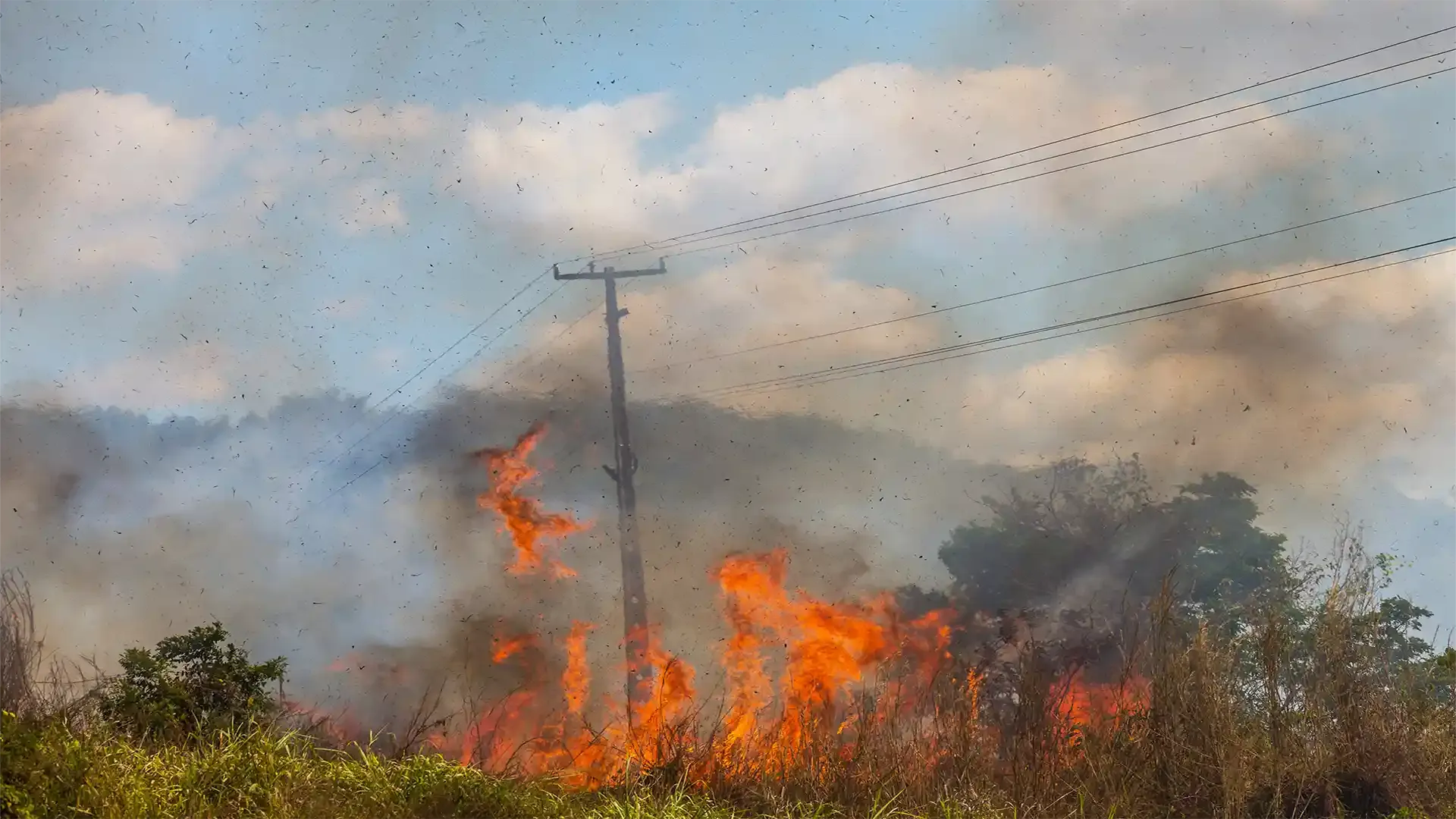
The PG&E wildfire litigation involved California wildfire claims connected to Pacific Gas and Electric Company’s electrical infrastructure, utility inspections, vegetation management, equipment maintenance, and wildfire-risk controls. The case history includes claims arising from the 2015 Butte Fire, the 2017 Northern California wildfires, and the 2018 Camp Fire.
The 2015 Butte Fire began in Amador County and burned into Amador and Calaveras Counties, leading to claims involving overhead electrical equipment, vegetation contact, property damage, and utility inspection practices. The 2017 Northern California wildfires affected multiple counties and led to property-loss, insurance, business-loss, and personal-injury claims, although not every major 2017 fire was attributed to PG&E equipment.
The Camp Fire destroyed large portions of Paradise, California, caused extensive property damage, and led to civil claims, regulatory proceedings, bankruptcy-related settlements, Fire Victim Trust compensation, and charges involving PG&E. The broader litigation also included insurance subrogation claims, public-entity claims, individual fire-victim claims, utility safety compliance issues, and California regulatory review.
The litigation developed across several separate tracks: civil wildfire claims, bankruptcy proceedings, regulatory enforcement, Camp Fire plea proceedings, Fire Victim Trust compensation, insurer and public-entity settlements, and later shareholder litigation. Each track involved different records, standards, parties, and outcomes.
The Butte Fire began on September 9, 2015, in Amador County and burned into Amador and Calaveras Counties. The fire burned 70,868 acres, destroyed 921 structures, damaged 44 structures, and resulted in two indirect civilian fatalities and one injury.
The dispute became part of the broader PG&E wildfire litigation because investigators connected the fire to contact between a gray pine tree and PG&E’s Electra 1101 12 kV overhead conductor. The Butte Fire was later included in compensation processes connected to PG&E’s bankruptcy and the Fire Victim Trust.
Beginning on October 8, 2017, several major wildfires spread through Napa, Sonoma, Butte, Humboldt, Mendocino, and Del Norte Counties, as well as areas near Grass Valley and Yuba City. The fires led to property-loss, insurance, business-loss, and personal-injury claims involving utility infrastructure, vegetation conditions, equipment maintenance, and fire-weather conditions.
Investigations attributed some 2017 fires to PG&E equipment, while CAL FIRE found that the Tubbs Fire was caused by a private electrical system rather than PG&E facilities. Even with that distinction, Tubbs-related claims were later included in PG&E’s bankruptcy settlement framework, making the 2017 wildfire group part of the broader PG&E claims-resolution process.
The Camp Fire began in November 2018 and caused severe losses in Butte County, including the destruction of large portions of Paradise, California. Civil claims and investigative findings focused on whether PG&E transmission equipment and related utility practices were connected to the fire’s ignition.
The fire led to individual victim claims, insurance claims, public-entity claims, regulatory proceedings, and prosecution. The related legal record included mass tort claims, utility safety compliance issues, regulatory proceedings, and charges tied to deaths and fire damage.
PG&E filed for Chapter 11 bankruptcy protection in January 2019 while facing substantial wildfire-related liabilities. The bankruptcy case became the central forum for resolving large groups of wildfire claims, including individual fire-victim claims, insurer subrogation claims, and public-entity claims.
The filing did not decide factual disputes about ignition, utility operations, inspections, vegetation management, or equipment maintenance. Instead, it created a claims-resolution structure while PG&E pursued reorganization and addressed wildfire-related financial exposure.
PG&E’s bankruptcy reorganization plan was confirmed in June 2020. The plan included settlement structures for wildfire victims, insurers, and public entities. It also established the framework for the Fire Victim Trust, which was later funded under the plan after the plan became effective.
The Fire Victim Trust addressed eligible claims tied to the 2015 Butte Fire, 2017 North Bay Fires, and 2018 Camp Fire. Through this framework, many individual wildfire victim claims moved from traditional civil litigation into an administrative compensation process. Claimants documented injuries, property losses, economic losses, and other covered damages.
PG&E pleaded guilty to 84 counts of involuntary manslaughter and one count of unlawfully starting a fire in connection with the 2018 Camp Fire.
The plea agreement formed a prosecution track within the PG&E Camp Fire record. Civil wildfire claims, insurer settlements, public-entity claims, regulatory proceedings, and bankruptcy compensation procedures continued through their own legal channels.
The California Public Utilities Commission imposed a $1.937 billion penalty against PG&E connected to the utility’s role in the 2017 and 2018 wildfires. The regulatory action addressed utility safety compliance, risk management, wildfire-prevention practices, and oversight issues.
The CPUC penalty was regulatory in nature. It was not a direct damages award to individual wildfire claimants and did not replace separate compensation processes for fire victims, insurers, or public entities.
Professor Daniel R. Fischel of Compass Lexecon testified on behalf of PG&E in a CPUC proceeding involving wildfire settlement-cost allocation. His work addressed the economic allocation of settlement costs connected to PG&E’s reorganization plan, including whether at least $7.5 billion could reasonably be attributed to the 2017 North Bay Wildfires.
This expert testimony concerned economic analysis and settlement allocation in a regulatory proceeding.
Public reporting in January 2026 described a proposed $100 million shareholder settlement addressing claims that PG&E misled investors about wildfire safety practices before the 2017 and 2018 wildfires. Settlement materials later stated that the parties reached the settlement agreement on December 31, 2025, and that the district court preliminarily approved the proposed settlement on February 26, 2026.
The shareholder settlement addressed PG&E wildfire safety disclosures within a securities-litigation context. It did not resolve direct fire-victim claims, insurer claims, public-entity claims, regulatory penalties, prosecution, or Fire Victim Trust compensation.
Court:
United States Bankruptcy Court for the Northern District of California
Case Name:
In re PG&E Corporation and Pacific Gas and Electric Company
Electrical Defects
Electrical Fires
Electric Power Lines
Fire Cause and Origin Investigations
Forest Fire
Utility Accidents
Vegetation
Meteorology
Fire Insurance
Corporate Bankruptcy
The PG&E wildfire litigation involved California wildfire claims connected to Pacific Gas and Electric Company’s electrical infrastructure, utility inspections, vegetation management, equipment maintenance, and wildfire-risk controls. The case history includes claims arising from the 2015 Butte Fire, the 2017 Northern California wildfires, and the 2018 Camp Fire.
The 2015 Butte Fire began in Amador County and burned into Amador and Calaveras Counties, leading to claims involving overhead electrical equipment, vegetation contact, property damage, and utility inspection practices. The 2017 Northern California wildfires affected multiple counties and led to property-loss, insurance, business-loss, and personal-injury claims, although not every major 2017 fire was attributed to PG&E equipment.
The Camp Fire destroyed large portions of Paradise, California, caused extensive property damage, and led to civil claims, regulatory proceedings, bankruptcy-related settlements, Fire Victim Trust compensation, and charges involving PG&E. The broader litigation also included insurance subrogation claims, public-entity claims, individual fire-victim claims, utility safety compliance issues, and California regulatory review.
The litigation developed across several separate tracks: civil wildfire claims, bankruptcy proceedings, regulatory enforcement, Camp Fire plea proceedings, Fire Victim Trust compensation, insurer and public-entity settlements, and later shareholder litigation. Each track involved different records, standards, parties, and outcomes.
The Butte Fire began on September 9, 2015, in Amador County and burned into Amador and Calaveras Counties. The fire burned 70,868 acres, destroyed 921 structures, damaged 44 structures, and resulted in two indirect civilian fatalities and one injury.
The dispute became part of the broader PG&E wildfire litigation because investigators connected the fire to contact between a gray pine tree and PG&E’s Electra 1101 12 kV overhead conductor. The Butte Fire was later included in compensation processes connected to PG&E’s bankruptcy and the Fire Victim Trust.
Beginning on October 8, 2017, several major wildfires spread through Napa, Sonoma, Butte, Humboldt, Mendocino, and Del Norte Counties, as well as areas near Grass Valley and Yuba City. The fires led to property-loss, insurance, business-loss, and personal-injury claims involving utility infrastructure, vegetation conditions, equipment maintenance, and fire-weather conditions.
Investigations attributed some 2017 fires to PG&E equipment, while CAL FIRE found that the Tubbs Fire was caused by a private electrical system rather than PG&E facilities. Even with that distinction, Tubbs-related claims were later included in PG&E’s bankruptcy settlement framework, making the 2017 wildfire group part of the broader PG&E claims-resolution process.
The Camp Fire began in November 2018 and caused severe losses in Butte County, including the destruction of large portions of Paradise, California. Civil claims and investigative findings focused on whether PG&E transmission equipment and related utility practices were connected to the fire’s ignition.
The fire led to individual victim claims, insurance claims, public-entity claims, regulatory proceedings, and prosecution. The related legal record included mass tort claims, utility safety compliance issues, regulatory proceedings, and charges tied to deaths and fire damage.
PG&E filed for Chapter 11 bankruptcy protection in January 2019 while facing substantial wildfire-related liabilities. The bankruptcy case became the central forum for resolving large groups of wildfire claims, including individual fire-victim claims, insurer subrogation claims, and public-entity claims.
The filing did not decide factual disputes about ignition, utility operations, inspections, vegetation management, or equipment maintenance. Instead, it created a claims-resolution structure while PG&E pursued reorganization and addressed wildfire-related financial exposure.
PG&E’s bankruptcy reorganization plan was confirmed in June 2020. The plan included settlement structures for wildfire victims, insurers, and public entities. It also established the framework for the Fire Victim Trust, which was later funded under the plan after the plan became effective.
The Fire Victim Trust addressed eligible claims tied to the 2015 Butte Fire, 2017 North Bay Fires, and 2018 Camp Fire. Through this framework, many individual wildfire victim claims moved from traditional civil litigation into an administrative compensation process. Claimants documented injuries, property losses, economic losses, and other covered damages.
PG&E pleaded guilty to 84 counts of involuntary manslaughter and one count of unlawfully starting a fire in connection with the 2018 Camp Fire.
The plea agreement formed a prosecution track within the PG&E Camp Fire record. Civil wildfire claims, insurer settlements, public-entity claims, regulatory proceedings, and bankruptcy compensation procedures continued through their own legal channels.
The California Public Utilities Commission imposed a $1.937 billion penalty against PG&E connected to the utility’s role in the 2017 and 2018 wildfires. The regulatory action addressed utility safety compliance, risk management, wildfire-prevention practices, and oversight issues.
The CPUC penalty was regulatory in nature. It was not a direct damages award to individual wildfire claimants and did not replace separate compensation processes for fire victims, insurers, or public entities.
Professor Daniel R. Fischel of Compass Lexecon testified on behalf of PG&E in a CPUC proceeding involving wildfire settlement-cost allocation. His work addressed the economic allocation of settlement costs connected to PG&E’s reorganization plan, including whether at least $7.5 billion could reasonably be attributed to the 2017 North Bay Wildfires.
This expert testimony concerned economic analysis and settlement allocation in a regulatory proceeding.
Public reporting in January 2026 described a proposed $100 million shareholder settlement addressing claims that PG&E misled investors about wildfire safety practices before the 2017 and 2018 wildfires. Settlement materials later stated that the parties reached the settlement agreement on December 31, 2025, and that the district court preliminarily approved the proposed settlement on February 26, 2026.
The shareholder settlement addressed PG&E wildfire safety disclosures within a securities-litigation context. It did not resolve direct fire-victim claims, insurer claims, public-entity claims, regulatory penalties, prosecution, or Fire Victim Trust compensation.
Professor Daniel R. Fischel of Compass Lexecon is the confirmed named retained expert identified for PG&E in a wildfire-related CPUC securitization proceeding. He testified on behalf of PG&E in a proceeding involving the economic allocation of wildfire settlement costs.
His role was economic and allocation-based. He evaluated whether at least $7.5 billion of PG&E’s wildfire settlement costs could reasonably be attributed to the 2017 North Bay Wildfires.
Electrical engineering experts are commonly used in utility wildfire litigation involving power-line equipment, transmission infrastructure, and electrical ignition issues. Their work may include reviewing transmission lines, conductors, towers, C-hooks, jumpers, insulators, connectors, arc marks, fault records, and equipment-maintenance history.
Fire origin and cause experts evaluate where a wildfire began, how ignition likely occurred, and whether the physical evidence supports or rules out possible ignition scenarios. Their work may include scene review, burn-pattern analysis, witness information, weather data, equipment evidence, and investigative reports.
Wildfire behavior experts may analyze wind, humidity, slope, fuel moisture, vegetation density, topography, fire spread, ember transport, and suppression conditions. Meteorology experts may assess weather patterns present at ignition and during rapid fire growth.
Wildfire litigation often involves several layers of causation. Lawyers should separate the alleged ignition mechanism from later questions involving fire spread, emergency response, evacuation, property damage, smoke damage, environmental cleanup, and economic loss.
This separation affects expert discovery and litigation strategy. Electrical engineering and fire-origin experts may address ignition, while wildfire behavior, meteorology, environmental, property, and damages experts may address later phases of the loss.
CAL FIRE, CPUC, and other public agencies may issue investigation findings or regulatory materials, but agency investigators are not automatically retained experts for a private party. Lawyers should avoid describing government investigators as retained experts unless a court record, expert disclosure, or party filing supports that description.
This distinction applies to pleadings, expert sections, settlement summaries, and public-facing legal content. Government findings may support factual background, while retained expert opinions require separate confirmation.
PG&E’s Chapter 11 case created a claims-resolution structure for large groups of wildfire claims. Many individual claims proceeded through the Fire Victim Trust rather than through ordinary civil litigation and trial.
Bankruptcy can affect discovery timing, claim valuation, settlement leverage, and compensation procedures in mass-disaster litigation. It may also resolve many claims without producing a traditional trial record that identifies retained experts by name.
PG&E wildfire matters involved several overlapping but legally distinct tracks: fire-victim claims, insurance subrogation claims, public-entity settlements, CPUC regulatory action, prosecution tied to the Camp Fire, bankruptcy reorganization, and later shareholder litigation.
Each track has a different purpose, evidentiary record, legal standard, and outcome. Lawyers should avoid blending findings from one track into another without confirming the procedural context.
The PG&E wildfire litigation moved from fire investigations and civil claims into bankruptcy, regulatory action, Camp Fire plea proceedings, and compensation through the Fire Victim Trust. The 2015 Butte Fire, 2017 North Bay Fires, and 2018 Camp Fire each added different factual and legal issues, including utility equipment condition, vegetation management, inspection practices, wildfire causation, property losses, and settlement allocation.
The case history shows how California wildfire claims can involve several legal tracks at once. PG&E’s bankruptcy created a process for resolving many fire-victim, insurer, and public-entity claims, while CPUC proceedings addressed utility safety compliance and settlement-cost allocation. Later shareholder litigation added another track focused on wildfire safety disclosures, separate from direct fire-victim compensation and Camp Fire plea proceedings.

Which fires were involved in the PG&E wildfire litigation?
The broader PG&E wildfire litigation involved claims connected to the 2015 Butte Fire, the 2017 North Bay Fires, and the 2018 Camp Fire. The Fire Victim Trust was established through PG&E’s bankruptcy to compensate eligible claimants for damages connected to those fire groups.
Did the Camp Fire lead to charges against PG&E?
Yes. PG&E pleaded guilty to 84 counts of involuntary manslaughter and one count of unlawfully starting a fire in connection with the 2018 Camp Fire. Those proceedings were separate from civil compensation claims, regulatory penalties, bankruptcy proceedings, and insurer settlements.
What utility infrastructure issues were raised in the PG&E wildfire claims?
The PG&E wildfire claims involved allegations concerning electrical transmission equipment, power-line maintenance, inspection practices, vegetation conditions, and wildfire-risk controls. In the Camp Fire record, civil claims and investigative findings focused on whether PG&E transmission equipment and related utility practices were connected to the fire’s ignition.
What happened to wildfire victim claims after PG&E filed for bankruptcy?
After PG&E filed for Chapter 11 bankruptcy, many wildfire victim claims became part of the bankruptcy claims-resolution process. The confirmed reorganization plan established the Fire Victim Trust framework for eligible claims tied to the 2015 Butte Fire, 2017 North Bay Fires, and 2018 Camp Fire. Claimants still had to document covered losses, including injuries, property damage, economic losses, and other compensable harms.
What equipment issue was identified in the Camp Fire?
The Camp Fire origin was identified below Tower 27/222 of PG&E’s Caribou-Palermo transmission line. The equipment issue involved electrical arcing after a C-hook failure allowed an energized jumper conductor to contact the steel tower structure, causing molten metal to fall into dry vegetation below.
Professor Daniel R. Fischel of Compass Lexecon is the confirmed named retained expert identified for PG&E in a wildfire-related CPUC securitization proceeding. He testified on behalf of PG&E in a proceeding involving the economic allocation of wildfire settlement costs.
His role was economic and allocation-based. He evaluated whether at least $7.5 billion of PG&E’s wildfire settlement costs could reasonably be attributed to the 2017 North Bay Wildfires.
Electrical engineering experts are commonly used in utility wildfire litigation involving power-line equipment, transmission infrastructure, and electrical ignition issues. Their work may include reviewing transmission lines, conductors, towers, C-hooks, jumpers, insulators, connectors, arc marks, fault records, and equipment-maintenance history.
Fire origin and cause experts evaluate where a wildfire began, how ignition likely occurred, and whether the physical evidence supports or rules out possible ignition scenarios. Their work may include scene review, burn-pattern analysis, witness information, weather data, equipment evidence, and investigative reports.
Wildfire behavior experts may analyze wind, humidity, slope, fuel moisture, vegetation density, topography, fire spread, ember transport, and suppression conditions. Meteorology experts may assess weather patterns present at ignition and during rapid fire growth.
Wildfire litigation often involves several layers of causation. Lawyers should separate the alleged ignition mechanism from later questions involving fire spread, emergency response, evacuation, property damage, smoke damage, environmental cleanup, and economic loss.
This separation affects expert discovery and litigation strategy. Electrical engineering and fire-origin experts may address ignition, while wildfire behavior, meteorology, environmental, property, and damages experts may address later phases of the loss.
CAL FIRE, CPUC, and other public agencies may issue investigation findings or regulatory materials, but agency investigators are not automatically retained experts for a private party. Lawyers should avoid describing government investigators as retained experts unless a court record, expert disclosure, or party filing supports that description.
This distinction applies to pleadings, expert sections, settlement summaries, and public-facing legal content. Government findings may support factual background, while retained expert opinions require separate confirmation.
PG&E’s Chapter 11 case created a claims-resolution structure for large groups of wildfire claims. Many individual claims proceeded through the Fire Victim Trust rather than through ordinary civil litigation and trial.
Bankruptcy can affect discovery timing, claim valuation, settlement leverage, and compensation procedures in mass-disaster litigation. It may also resolve many claims without producing a traditional trial record that identifies retained experts by name.
PG&E wildfire matters involved several overlapping but legally distinct tracks: fire-victim claims, insurance subrogation claims, public-entity settlements, CPUC regulatory action, prosecution tied to the Camp Fire, bankruptcy reorganization, and later shareholder litigation.
Each track has a different purpose, evidentiary record, legal standard, and outcome. Lawyers should avoid blending findings from one track into another without confirming the procedural context.
The PG&E wildfire litigation moved from fire investigations and civil claims into bankruptcy, regulatory action, Camp Fire plea proceedings, and compensation through the Fire Victim Trust. The 2015 Butte Fire, 2017 North Bay Fires, and 2018 Camp Fire each added different factual and legal issues, including utility equipment condition, vegetation management, inspection practices, wildfire causation, property losses, and settlement allocation.
The case history shows how California wildfire claims can involve several legal tracks at once. PG&E’s bankruptcy created a process for resolving many fire-victim, insurer, and public-entity claims, while CPUC proceedings addressed utility safety compliance and settlement-cost allocation. Later shareholder litigation added another track focused on wildfire safety disclosures, separate from direct fire-victim compensation and Camp Fire plea proceedings.
Which fires were involved in the PG&E wildfire litigation?
The broader PG&E wildfire litigation involved claims connected to the 2015 Butte Fire, the 2017 North Bay Fires, and the 2018 Camp Fire. The Fire Victim Trust was established through PG&E’s bankruptcy to compensate eligible claimants for damages connected to those fire groups.
Did the Camp Fire lead to charges against PG&E?
Yes. PG&E pleaded guilty to 84 counts of involuntary manslaughter and one count of unlawfully starting a fire in connection with the 2018 Camp Fire. Those proceedings were separate from civil compensation claims, regulatory penalties, bankruptcy proceedings, and insurer settlements.
What utility infrastructure issues were raised in the PG&E wildfire claims?
The PG&E wildfire claims involved allegations concerning electrical transmission equipment, power-line maintenance, inspection practices, vegetation conditions, and wildfire-risk controls. In the Camp Fire record, civil claims and investigative findings focused on whether PG&E transmission equipment and related utility practices were connected to the fire’s ignition.
What happened to wildfire victim claims after PG&E filed for bankruptcy?
After PG&E filed for Chapter 11 bankruptcy, many wildfire victim claims became part of the bankruptcy claims-resolution process. The confirmed reorganization plan established the Fire Victim Trust framework for eligible claims tied to the 2015 Butte Fire, 2017 North Bay Fires, and 2018 Camp Fire. Claimants still had to document covered losses, including injuries, property damage, economic losses, and other compensable harms.
What equipment issue was identified in the Camp Fire?
The Camp Fire origin was identified below Tower 27/222 of PG&E’s Caribou-Palermo transmission line. The equipment issue involved electrical arcing after a C-hook failure allowed an energized jumper conductor to contact the steel tower structure, causing molten metal to fall into dry vegetation below.
What caused the 2015 Butte Fire?
The 2015 Butte Fire was connected to contact between a gray pine tree and PG&E’s 12 kV overhead electrical conductor near Jackson in Amador County. CPUC materials state that the fire burned 70,868 acres, destroyed 921 structures, damaged 44 structures, and resulted in two indirect civilian fatalities and one injury.
Were all 2017 Northern California wildfires caused by PG&E equipment?
It is correct to say not all 2017 Northern California wildfires were caused by PG&E equipment. CAL FIRE found that the Tubbs Fire was caused by a private electrical system, not PG&E equipment.
Utilities, +4
Utilities
Environmental Engineering, +4
Utilities
What caused the 2015 Butte Fire?
The 2015 Butte Fire was connected to contact between a gray pine tree and PG&E’s 12 kV overhead electrical conductor near Jackson in Amador County. CPUC materials state that the fire burned 70,868 acres, destroyed 921 structures, damaged 44 structures, and resulted in two indirect civilian fatalities and one injury.
Were all 2017 Northern California wildfires caused by PG&E equipment?
It is correct to say not all 2017 Northern California wildfires were caused by PG&E equipment. CAL FIRE found that the Tubbs Fire was caused by a private electrical system, not PG&E equipment.