Utilities, +3
Utilities
Loading
Utilities
8 min read
Areas of Expertise :
Wildfire, Forestry, Electrical, Environmental, Economic Damages

Published Date:
Last Modified Date:
Jurisdiction:
Federal. Ninth Circuit
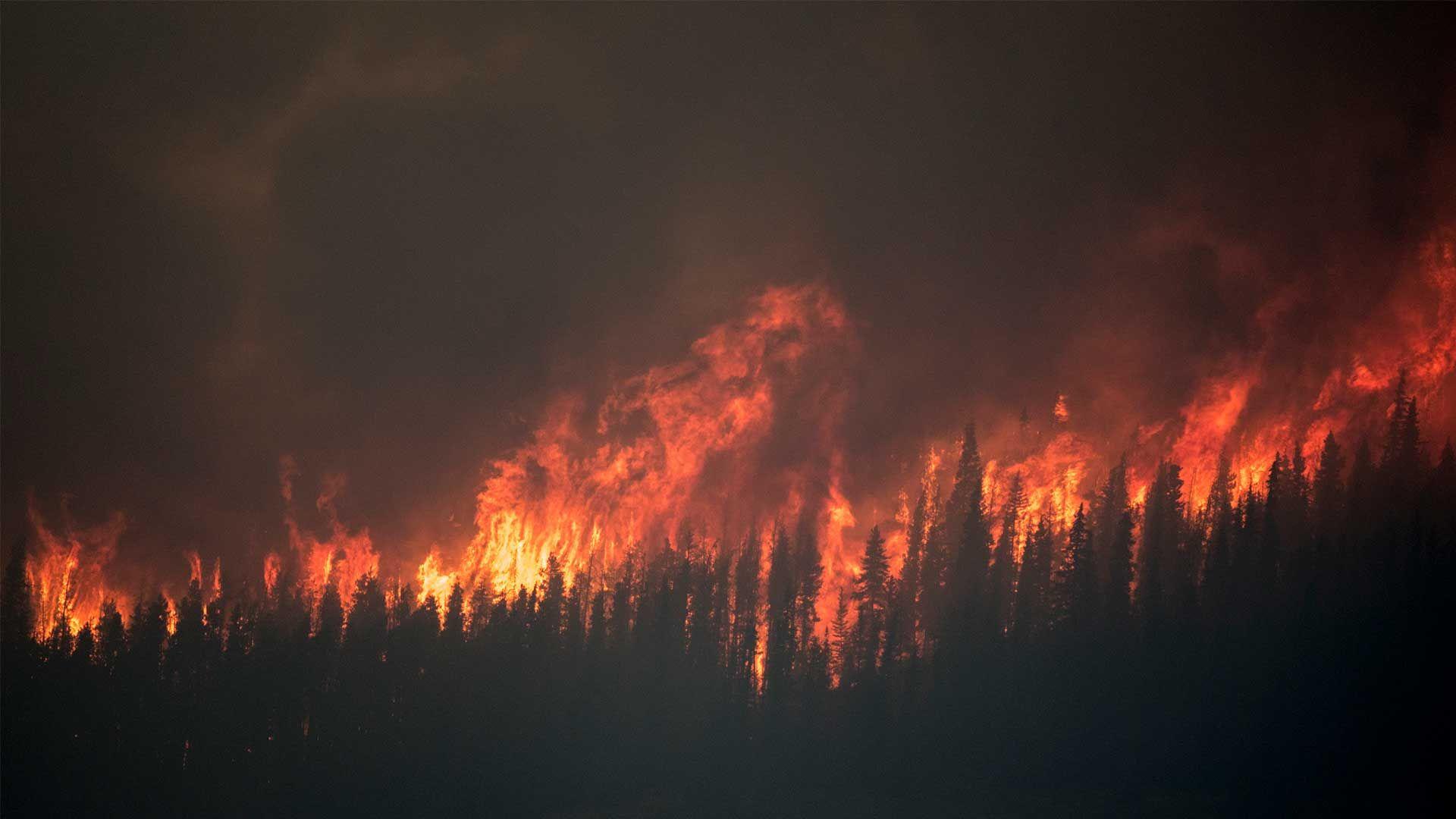
The Bobcat Fire began on September 6, 2020, near Cogswell Dam in the Angeles National Forest in Los Angeles County. According to the federal complaint, the fire burned approximately 114,577 acres, including more than 99,000 acres of federal land. The complaint also stated that the wildfire destroyed 171 structures and 178 vehicles, damaged 47 structures, prompted evacuations, and caused damage to wildlife habitat, watersheds, recreational facilities, cultural resources, and other public lands.
On September 1, 2023, the United States filed a federal lawsuit against Southern California Edison Company and Utility Tree Service, LLC. The government alleged that a tree contacted SCE electrical conductors, causing vegetation on a branch to ignite before the branch fell and spread the fire. The U.S. Forest Service reported more than $121 million in fire suppression expenses and damage to federal property and natural resources. In May 2025, SCE agreed to pay $82.5 million to resolve the federal claims without admitting wrongdoing or fault.
The Bobcat Fire started near Cogswell Dam and spread through the Angeles National Forest. It eventually burned about 114,577 acres, including more than 99,000 acres of federal land. The fire threatened thousands of structures and led to evacuation orders in nearby communities. Firefighting and containment operations continued for more than two months.
The wildfire destroyed 171 structures and 178 vehicles and damaged another 47 structures. It also threatened 6,235 structures as it moved through Los Angeles County. Federal lands sustained damage to vegetation, soil, watersheds, wildlife habitat, trails, campgrounds, archaeological sites, and cultural resources. More than 100 miles of trails and several recreational areas were affected by closures after the fire.
U.S. Forest Service investigators examined the suspected ignition area, nearby trees, and SCE electrical facilities. Investigators concluded that a tree contacted electrical conductors owned and operated by SCE. The federal complaint alleged that vegetation on a branch ignited before the burning branch fell and spread fire to the surrounding area. The government also alleged that SCE and Utility Tree Service had known about the tree for several months but failed to remove it or correct the condition.
The Forest Service calculated more than $56 million in expenses related to suppressing the Bobcat Fire. It also reported more than $65 million in damage to federal property and natural resources. Burned-area emergency response costs exceeded $769,000. The claimed losses involved public land, wildlife habitat, vegetation, soil, watersheds, cultural resources, recreational areas, and restoration work.
The United States filed United States v. Southern California Edison Company et al. in the U.S. District Court for the Central District of California. The complaint named Southern California Edison and Utility Tree Service as defendants and sought compensation for firefighting expenses, property damage, natural resource losses, emergency response work, and related costs.
The complaint asserted eight claims involving negligence and negligence per se, recovery under California fire-cost statutes, California Public Resources Code section 4435, trespass by fire, strict liability under SCE’s Forest Service special-use permit, contractual indemnity, breach of the permit, and interest and penalties. The permit governed SCE’s electrical facilities on National Forest land and contained provisions concerning vegetation maintenance, hazardous trees, fire prevention, and compensation for federal losses.
From 2023 until the settlement in 2025, the federal lawsuit placed in dispute the government’s allegations concerning tree contact with SCE electrical conductors, vegetation inspections, tree maintenance, and the responsibilities of SCE and Utility Tree Service. The United States alleged that SCE also had obligations under a Forest Service special-use permit governing its electrical facilities on National Forest System land. The government sought recovery for fire suppression expenses, damage to federal property and natural resources, and burned-area emergency response costs. The case settled before trial, and SCE did not admit wrongdoing or fault. The court therefore did not determine whether either defendant caused the Bobcat Fire, breached a legal or permit-based duty, or owed the full amount claimed by the government.
Southern California Edison entered into a settlement agreement requiring it to pay the United States $82.5 million. The payment resolved the federal claims brought on behalf of the Forest Service for costs and damage associated with the Bobcat Fire. SCE was required to pay the settlement amount within 60 days of the agreement’s effective date. The agreement did not include an admission of wrongdoing or fault.
The U.S. Department of Justice announced the settlement on May 23, 2025. It described the agreement as the largest wildfire cost recovery settlement obtained by the United States in the Central District of California at that time. The $82.5 million payment was lower than the Forest Service’s stated losses of more than $121 million. The announcement did not allocate the settlement amount among fire suppression costs, property damage, natural resource losses, or other claimed expenses.
The court dismissed the federal action without prejudice on June 4, 2025, following the settlement. The case ended before trial, and the court did not decide fire causation, negligence, liability under the special-use permit, or the amount of recoverable damages. The government’s claims were resolved through SCE’s agreement to pay $82.5 million. The dismissal concluded the federal wildfire cost recovery action.
Court:
United States District Court for the Central District of California
Case Name:
United States of America v. Southern California Edison Company and Utility Tree Service, LLC
Forest Fire
Fire Cause and Origin Investigations
Fire Ecology
Forestry arborist
Vegetation
Tree failure
Tree safety
Electric Power Lines
Environmental Resource Management
Damages Calculations
The Bobcat Fire began on September 6, 2020, near Cogswell Dam in the Angeles National Forest in Los Angeles County. According to the federal complaint, the fire burned approximately 114,577 acres, including more than 99,000 acres of federal land. The complaint also stated that the wildfire destroyed 171 structures and 178 vehicles, damaged 47 structures, prompted evacuations, and caused damage to wildlife habitat, watersheds, recreational facilities, cultural resources, and other public lands.
On September 1, 2023, the United States filed a federal lawsuit against Southern California Edison Company and Utility Tree Service, LLC. The government alleged that a tree contacted SCE electrical conductors, causing vegetation on a branch to ignite before the branch fell and spread the fire. The U.S. Forest Service reported more than $121 million in fire suppression expenses and damage to federal property and natural resources. In May 2025, SCE agreed to pay $82.5 million to resolve the federal claims without admitting wrongdoing or fault.
The Bobcat Fire started near Cogswell Dam and spread through the Angeles National Forest. It eventually burned about 114,577 acres, including more than 99,000 acres of federal land. The fire threatened thousands of structures and led to evacuation orders in nearby communities. Firefighting and containment operations continued for more than two months.
The wildfire destroyed 171 structures and 178 vehicles and damaged another 47 structures. It also threatened 6,235 structures as it moved through Los Angeles County. Federal lands sustained damage to vegetation, soil, watersheds, wildlife habitat, trails, campgrounds, archaeological sites, and cultural resources. More than 100 miles of trails and several recreational areas were affected by closures after the fire.
U.S. Forest Service investigators examined the suspected ignition area, nearby trees, and SCE electrical facilities. Investigators concluded that a tree contacted electrical conductors owned and operated by SCE. The federal complaint alleged that vegetation on a branch ignited before the burning branch fell and spread fire to the surrounding area. The government also alleged that SCE and Utility Tree Service had known about the tree for several months but failed to remove it or correct the condition.
The Forest Service calculated more than $56 million in expenses related to suppressing the Bobcat Fire. It also reported more than $65 million in damage to federal property and natural resources. Burned-area emergency response costs exceeded $769,000. The claimed losses involved public land, wildlife habitat, vegetation, soil, watersheds, cultural resources, recreational areas, and restoration work.
The United States filed United States v. Southern California Edison Company et al. in the U.S. District Court for the Central District of California. The complaint named Southern California Edison and Utility Tree Service as defendants and sought compensation for firefighting expenses, property damage, natural resource losses, emergency response work, and related costs.
The complaint asserted eight claims involving negligence and negligence per se, recovery under California fire-cost statutes, California Public Resources Code section 4435, trespass by fire, strict liability under SCE’s Forest Service special-use permit, contractual indemnity, breach of the permit, and interest and penalties. The permit governed SCE’s electrical facilities on National Forest land and contained provisions concerning vegetation maintenance, hazardous trees, fire prevention, and compensation for federal losses.
From 2023 until the settlement in 2025, the federal lawsuit placed in dispute the government’s allegations concerning tree contact with SCE electrical conductors, vegetation inspections, tree maintenance, and the responsibilities of SCE and Utility Tree Service. The United States alleged that SCE also had obligations under a Forest Service special-use permit governing its electrical facilities on National Forest System land. The government sought recovery for fire suppression expenses, damage to federal property and natural resources, and burned-area emergency response costs. The case settled before trial, and SCE did not admit wrongdoing or fault. The court therefore did not determine whether either defendant caused the Bobcat Fire, breached a legal or permit-based duty, or owed the full amount claimed by the government.
Southern California Edison entered into a settlement agreement requiring it to pay the United States $82.5 million. The payment resolved the federal claims brought on behalf of the Forest Service for costs and damage associated with the Bobcat Fire. SCE was required to pay the settlement amount within 60 days of the agreement’s effective date. The agreement did not include an admission of wrongdoing or fault.
The U.S. Department of Justice announced the settlement on May 23, 2025. It described the agreement as the largest wildfire cost recovery settlement obtained by the United States in the Central District of California at that time. The $82.5 million payment was lower than the Forest Service’s stated losses of more than $121 million. The announcement did not allocate the settlement amount among fire suppression costs, property damage, natural resource losses, or other claimed expenses.
The court dismissed the federal action without prejudice on June 4, 2025, following the settlement. The case ended before trial, and the court did not decide fire causation, negligence, liability under the special-use permit, or the amount of recoverable damages. The government’s claims were resolved through SCE’s agreement to pay $82.5 million. The dismissal concluded the federal wildfire cost recovery action.
Wildfire Expert Witness
A wildfire expert may examine burn patterns, vegetation conditions, weather data, electrical activity, witness accounts, and evidence collected from the suspected ignition area. The analysis may identify a probable origin point and evaluate the sequence through which a fire began and spread.
Forestry Expert Witness
A forestry expert may assess harm to vegetation, soil, watersheds, wildlife habitat, recreational areas, and cultural resources. The work may include restoration estimates, rehabilitation planning, ecological assessments, and calculations involving restricted public access.
Environmental Expert Witness
Environmental experts are commonly engaged in wildfire-related litigation to assess impacts to land, habitat, wildlife, and other natural resources following large fire events. The complaint references damage to National Forest System lands, including habitat disruption and prolonged closures, subject matter typically addressed through environmental impact analysis.
Economic Damages Expert Witness
Economic experts are commonly engaged in wildfire-related litigation to analyze fire suppression costs, rehabilitation expenses, and other monetary losses claimed by government agencies. The Bobcat Fire case sought recovery of substantial public expenditures tied to suppression and land restoration, subject matter typically addressed through financial analysis in cost-recovery actions.
The Federal Complaint Asserted Eight Legal Claims
The United States relied on several theories of recovery rather than a single negligence claim. The complaint included statutory, tort, contractual, and permit-based claims against SCE, Utility Tree Service, or both defendants. The legal theories addressed conduct, causation, fire suppression costs, federal property damage, permit obligations, indemnity, interest, and penalties.
SCE Operated Electrical Facilities Under a Forest Service Permit
Southern California Edison maintained electrical infrastructure within the Angeles National Forest under a federal special-use permit. The government alleged that the permit imposed duties involving vegetation maintenance, hazardous tree removal, fire prevention, indemnification, and compensation for damage connected to SCE’s use of federal land.
Utility Tree Service Faced Separate Vegetation Maintenance Allegations
Utility Tree Service performed tree maintenance work associated with SCE’s electrical facilities. The complaint alleged that the contractor shared responsibility for inspecting and maintaining the tree near the suspected ignition area. The claims addressed work assignments, inspection history, contractor duties, and records concerning the tree’s condition.
Federal Wildfire Losses Extended Beyond Firefighting Expenses
The Forest Service sought compensation for more than the direct cost of suppressing the fire. The claimed losses also involved damaged federal property, natural resources, habitat, watersheds, cultural sites, recreational closures, emergency stabilization, and restoration work.
The Settlement Ended the Case Without a Liability Ruling
The parties resolved the lawsuit before trial, and SCE did not admit wrongdoing or fault. The court did not decide whether SCE or Utility Tree Service caused the Bobcat Fire or breached a legal or contractual duty. The action was dismissed without prejudice after the settlement agreement became effective.
The federal proceedings followed a Forest Service investigation into the alleged contact between a tree and SCE electrical conductors near Cogswell Dam. The United States filed its complaint in September 2023 and pursued negligence, statutory, permit-based, indemnity, and property damage claims against SCE and Utility Tree Service. The case ended in 2025 after SCE agreed to pay $82.5 million. The court dismissed the action without prejudice on June 4, 2025, leaving no judicial findings on fire causation, negligence, permit liability, or the government’s full damage calculation.

When and where did the Bobcat Fire begin?
The Bobcat Fire began on September 6, 2020, near Cogswell Dam in the Angeles National Forest in Los Angeles County. It burned about 114,577 acres, including more than 99,000 acres of federal land.
What did investigators conclude about the fire’s origin?
Forest Service investigators concluded that a tree contacted electrical conductors owned and operated by Southern California Edison. The government alleged that vegetation on a branch ignited before the branch fell and spread the fire.
Who were the defendants in the federal Bobcat Fire lawsuit?
The United States named Southern California Edison Company and Utility Tree Service, LLC, as defendants. The complaint alleged that SCE operated the electrical conductors and that both companies had responsibilities involving vegetation near the power lines.
How much did the Forest Service claim in Bobcat Fire losses?
The Forest Service reported more than $56 million in fire suppression costs, more than $65 million in damage to federal property and natural resources, and over $769,000 in burned-area emergency response expenses. The stated losses exceeded $121 million.
How was the Southern California Edison Bobcat Fire lawsuit resolved?
SCE agreed to pay the United States $82.5 million under a settlement effective May 14, 2025. The court dismissed the action without prejudice on June 4, 2025, and no trial verdict or liability ruling was entered.
Wildfire Expert Witness
A wildfire expert may examine burn patterns, vegetation conditions, weather data, electrical activity, witness accounts, and evidence collected from the suspected ignition area. The analysis may identify a probable origin point and evaluate the sequence through which a fire began and spread.
Forestry Expert Witness
A forestry expert may assess harm to vegetation, soil, watersheds, wildlife habitat, recreational areas, and cultural resources. The work may include restoration estimates, rehabilitation planning, ecological assessments, and calculations involving restricted public access.
Environmental Expert Witness
Environmental experts are commonly engaged in wildfire-related litigation to assess impacts to land, habitat, wildlife, and other natural resources following large fire events. The complaint references damage to National Forest System lands, including habitat disruption and prolonged closures, subject matter typically addressed through environmental impact analysis.
Economic Damages Expert Witness
Economic experts are commonly engaged in wildfire-related litigation to analyze fire suppression costs, rehabilitation expenses, and other monetary losses claimed by government agencies. The Bobcat Fire case sought recovery of substantial public expenditures tied to suppression and land restoration, subject matter typically addressed through financial analysis in cost-recovery actions.
The Federal Complaint Asserted Eight Legal Claims
The United States relied on several theories of recovery rather than a single negligence claim. The complaint included statutory, tort, contractual, and permit-based claims against SCE, Utility Tree Service, or both defendants. The legal theories addressed conduct, causation, fire suppression costs, federal property damage, permit obligations, indemnity, interest, and penalties.
SCE Operated Electrical Facilities Under a Forest Service Permit
Southern California Edison maintained electrical infrastructure within the Angeles National Forest under a federal special-use permit. The government alleged that the permit imposed duties involving vegetation maintenance, hazardous tree removal, fire prevention, indemnification, and compensation for damage connected to SCE’s use of federal land.
Utility Tree Service Faced Separate Vegetation Maintenance Allegations
Utility Tree Service performed tree maintenance work associated with SCE’s electrical facilities. The complaint alleged that the contractor shared responsibility for inspecting and maintaining the tree near the suspected ignition area. The claims addressed work assignments, inspection history, contractor duties, and records concerning the tree’s condition.
Federal Wildfire Losses Extended Beyond Firefighting Expenses
The Forest Service sought compensation for more than the direct cost of suppressing the fire. The claimed losses also involved damaged federal property, natural resources, habitat, watersheds, cultural sites, recreational closures, emergency stabilization, and restoration work.
The Settlement Ended the Case Without a Liability Ruling
The parties resolved the lawsuit before trial, and SCE did not admit wrongdoing or fault. The court did not decide whether SCE or Utility Tree Service caused the Bobcat Fire or breached a legal or contractual duty. The action was dismissed without prejudice after the settlement agreement became effective.
The federal proceedings followed a Forest Service investigation into the alleged contact between a tree and SCE electrical conductors near Cogswell Dam. The United States filed its complaint in September 2023 and pursued negligence, statutory, permit-based, indemnity, and property damage claims against SCE and Utility Tree Service. The case ended in 2025 after SCE agreed to pay $82.5 million. The court dismissed the action without prejudice on June 4, 2025, leaving no judicial findings on fire causation, negligence, permit liability, or the government’s full damage calculation.
When and where did the Bobcat Fire begin?
The Bobcat Fire began on September 6, 2020, near Cogswell Dam in the Angeles National Forest in Los Angeles County. It burned about 114,577 acres, including more than 99,000 acres of federal land.
What did investigators conclude about the fire’s origin?
Forest Service investigators concluded that a tree contacted electrical conductors owned and operated by Southern California Edison. The government alleged that vegetation on a branch ignited before the branch fell and spread the fire.
Who were the defendants in the federal Bobcat Fire lawsuit?
The United States named Southern California Edison Company and Utility Tree Service, LLC, as defendants. The complaint alleged that SCE operated the electrical conductors and that both companies had responsibilities involving vegetation near the power lines.
How much did the Forest Service claim in Bobcat Fire losses?
The Forest Service reported more than $56 million in fire suppression costs, more than $65 million in damage to federal property and natural resources, and over $769,000 in burned-area emergency response expenses. The stated losses exceeded $121 million.
How was the Southern California Edison Bobcat Fire lawsuit resolved?
SCE agreed to pay the United States $82.5 million under a settlement effective May 14, 2025. The court dismissed the action without prejudice on June 4, 2025, and no trial verdict or liability ruling was entered.
Utilities, +4
Utilities
Environmental Engineering, +4
Utilities