Construction Cost, +4
Construction
Loading
Construction
10 min read
Areas of Expertise :
Concrete, Civil Engineering, Construction Claims, Construction Defect, Materials Science

Published Date:
Last Modified Date:
Jurisdiction:
Federal. Eleventh Circuit
Strength testing revealed problems with concrete used in Miami's I-395/S.R. 836 highway reconstruction project. Several bridge components failed to meet the required compressive-strength standards, prompting the construction team to strengthen or replace affected sections. Archer Western-De Moya Joint Venture, the project's design-build contractor, suspected that excessive fly ash had entered the cement supply through an onsite concrete batch plant. The contractor alleged that the altered mixture contained insufficient Portland cement, contributing to reduced strength and delayed hardening. After carrying out corrective work, Archer Western-De Moya sought reimbursement through its builder's risk insurance policy. ACE American Insurance Company, however, denied coverage for the low-strength concrete losses.
The dispute led to Archer Western-De Moya Joint Venture v. ACE American Insurance Co., No. 1:22-cv-21160, filed in the U.S. District Court for the Southern District of Florida on April 15, 2022. Archer Western-De Moya sought $3,635,621.97 in withheld insurance payments, along with additional amounts it claimed remained unadjusted. ACE maintained that concrete failing to meet construction specifications did not necessarily qualify as covered physical damage. The parties also disagreed over insurance provisions addressing defective materials, repair costs, and improvements to the original construction. The federal proceedings involved concrete testing, engineering opinions, and questions about the contractor's delay in reporting the deficiencies. Following two contested pretrial rulings, the parties reached a settlement in March 2024, and the court closed the case that May.
Archer Western-De Moya notified ACE of an incident involving damaged formwork and excavation at Pier 4-12 of the I-395 project. During a concrete pour for the pier footing, the formwork had buckled and collapsed, requiring the removal of damaged materials. ACE inspected the construction site on October 27, observing concrete being chipped away while reviewing project records and speaking with construction personnel. The insurer later accepted coverage for the formwork damage, subject to the deductible and other policy limitations. This initial claim preceded the broader dispute over concrete that failed to meet strength requirements.
At the request of the Florida Department of Transportation, production at Batch Plant No. 1 stopped for nine days beginning November 2, 2020. Concrete produced for the project had also failed to meet specified 28-day compressive-strength requirements, raising concerns about whether the material satisfied the approved construction specifications. Archer Western-De Moya attributed the deficiencies to a suspected malfunction in the batch plant's pressure relief system, which it alleged had allowed excessive fly ash to enter the raw cement supply. The contractor believed the malfunction occurred sometime between August and November 2020 and resulted in concrete mixtures containing less Portland cement than intended. However, strength deficiencies had also occurred outside that period, leaving questions about whether the suspected equipment problem accounted for all the affected concrete.
Although Archer Western-De Moya's risk management department had become aware of the concrete-strength concerns by November 2020, the contractor did not formally notify ACE of the additional claim until March 25, 2021. The claim concerned concrete and grout used in bridge elements that did not meet specified strength or material requirements. Corrective measures included strengthening some components and removing or replacing others to satisfy the construction specifications. ACE treated the reported deficiencies as an additional claim and later questioned the delay between the contractor's awareness of the problem and its formal notification. Archer Western-De Moya disputed the separation of the losses into distinct claims, maintaining that they arose from the same underlying occurrence.
ACE representatives conducted another site inspection on April 23, 2021, this time focusing on the reported low-strength concrete. During the investigation, they reviewed photographs, construction documents, and information provided by project personnel, but did not collect physical concrete samples. ACE maintained that some affected components and materials had already been removed or discarded, limiting its ability to examine the alleged damage directly. On May 13, the insurer issued a reservation of rights letter, advising the contractor that the claim remained under investigation and that coverage had not been established. The parties subsequently disputed whether ACE had been given an adequate opportunity to inspect the concrete before corrective work changed the condition of the affected elements.
Archer Western-De Moya filed a breach-of-contract lawsuit against ACE in the Southern District of Florida after the insurer denied coverage for the low-strength concrete claim. The contractor argued that contamination of the cement supply resulted in physical damage covered by its builder's risk policy. ACE disagreed, maintaining that concrete produced with deficient materials was defective from the beginning and had not necessarily sustained the direct physical loss or damage required for coverage. Another disagreement concerned the policy's LEG 3 Extension, which addressed defective materials and workmanship while limiting certain costs associated with improving the original construction. The lawsuit also involved the amount claimed for corrective work and whether the contractor's delayed notification had affected ACE's investigation.
ACE sought to exclude the opinions of Mat Radlinski, Ph.D., a concrete and cement-based materials engineer retained by Archer Western-De Moya. The challenge was brought under Federal Rules of Evidence 403 and 702 and the Daubert standard governing the reliability of expert testimony. Radlinski had reviewed concrete batch records, compressive-strength results, material certifications, and petrographic reports to assess the condition and performance of the affected concrete and grout. ACE questioned his reliance on testing performed by others, his consideration of alternative causes, and his knowledge of certain batch plant operations. U.S. Magistrate Judge Jonathan Goodman denied the motion, finding that ACE could challenge the opinions through cross-examination and competing evidence rather than excluding them before trial. The decision addressed the admissibility of Radlinski's opinions without resolving the disputed cause of the concrete deficiencies.
ACE asked the district court to resolve the insurance dispute in its favor through summary judgment, arguing that the claimed concrete losses were not covered under the policy. Judge Goodman found that material factual disputes remained concerning the alleged contamination, whether the concrete had sustained physical damage, and whether the timing of the contractor's claim notice had prejudiced ACE. The court also examined the policy language concerning costs incurred to improve original materials and workmanship. Finding that provision ambiguous, the court construed it against ACE under Florida insurance law. Because factual disputes remained, the court denied ACE's summary judgment motion without making a final determination of insurance coverage, payment obligations, or the precise cause of the concrete deficiencies.
Following the summary judgment ruling, the court ordered the parties to participate in mediation while preparations for trial continued. The case had been scheduled for trial on August 26, 2024, with the disputed insurance provisions and concrete-causation evidence still unresolved. On March 28, the parties filed a notice advising the court that they had reached a settlement. The court subsequently terminated the scheduled hearings and outstanding trial-related deadlines. The agreement ended the dispute before a jury could consider the competing explanations for the concrete deficiencies or determine the amount of insurance benefits, if any, owed under the policy.
The parties submitted a stipulation of dismissal on May 16, 2024, formally ending the federal proceedings. The court entered an order dismissing the action and closing the case after the parties had resolved their dispute through settlement. No jury verdict established the cause of the low-strength concrete, and the pretrial rulings did not determine the final amount of insurance coverage owed by ACE. The settlement terms, including any payment or allocation of the disputed repair expenses, were not established in the publicly available closing entries. The case concluded without further proceedings on the merits.
Court:
United States District Court for the Southern District of Florida
Case Name:
Archer Western-De Moya Joint Venture v. ACE American Insurance Co.
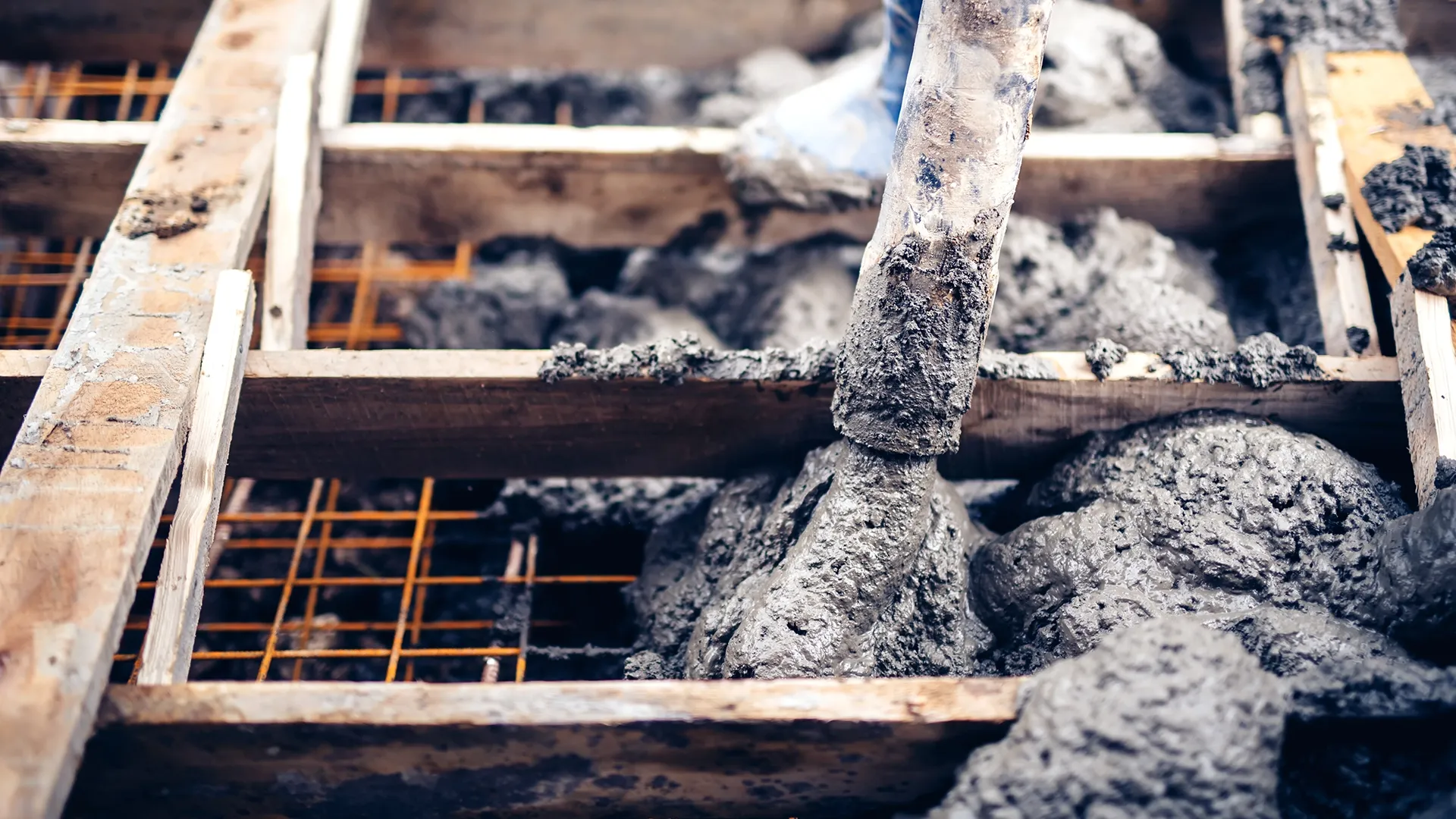
Low-strength concrete on Miami’s I-395/S.R. 836 project led Archer Western-De Moya to perform strengthening, removal, and replacement work on affected bridge components.
The dispute focused on suspected excess fly ash, insufficient Portland cement, compressive-strength failures, concrete testing, and whether the resulting losses were covered under a builder’s risk policy.
Archer Western-De Moya’s concrete materials expert linked the reported deficiencies to mixture problems, while ACE challenged his methodology and the alleged contamination theory.
The court allowed the expert opinions to remain and denied ACE’s summary judgment motion, finding unresolved factual issues involving physical damage, causation, and claim notice.
The parties settled in March 2024, and the federal case closed in May without a jury verdict or public determination of the final insurance payment.
Cement
Materials Testing
Petrography
Bridges
Highway Construction
Construction Engineering
Structural Performance
Construction Damages
Defects
Strength testing revealed problems with concrete used in Miami's I-395/S.R. 836 highway reconstruction project. Several bridge components failed to meet the required compressive-strength standards, prompting the construction team to strengthen or replace affected sections. Archer Western-De Moya Joint Venture, the project's design-build contractor, suspected that excessive fly ash had entered the cement supply through an onsite concrete batch plant. The contractor alleged that the altered mixture contained insufficient Portland cement, contributing to reduced strength and delayed hardening. After carrying out corrective work, Archer Western-De Moya sought reimbursement through its builder's risk insurance policy. ACE American Insurance Company, however, denied coverage for the low-strength concrete losses.
The dispute led to Archer Western-De Moya Joint Venture v. ACE American Insurance Co., No. 1:22-cv-21160, filed in the U.S. District Court for the Southern District of Florida on April 15, 2022. Archer Western-De Moya sought $3,635,621.97 in withheld insurance payments, along with additional amounts it claimed remained unadjusted. ACE maintained that concrete failing to meet construction specifications did not necessarily qualify as covered physical damage. The parties also disagreed over insurance provisions addressing defective materials, repair costs, and improvements to the original construction. The federal proceedings involved concrete testing, engineering opinions, and questions about the contractor's delay in reporting the deficiencies. Following two contested pretrial rulings, the parties reached a settlement in March 2024, and the court closed the case that May.
Archer Western-De Moya notified ACE of an incident involving damaged formwork and excavation at Pier 4-12 of the I-395 project. During a concrete pour for the pier footing, the formwork had buckled and collapsed, requiring the removal of damaged materials. ACE inspected the construction site on October 27, observing concrete being chipped away while reviewing project records and speaking with construction personnel. The insurer later accepted coverage for the formwork damage, subject to the deductible and other policy limitations. This initial claim preceded the broader dispute over concrete that failed to meet strength requirements.
At the request of the Florida Department of Transportation, production at Batch Plant No. 1 stopped for nine days beginning November 2, 2020. Concrete produced for the project had also failed to meet specified 28-day compressive-strength requirements, raising concerns about whether the material satisfied the approved construction specifications. Archer Western-De Moya attributed the deficiencies to a suspected malfunction in the batch plant's pressure relief system, which it alleged had allowed excessive fly ash to enter the raw cement supply. The contractor believed the malfunction occurred sometime between August and November 2020 and resulted in concrete mixtures containing less Portland cement than intended. However, strength deficiencies had also occurred outside that period, leaving questions about whether the suspected equipment problem accounted for all the affected concrete.
Although Archer Western-De Moya's risk management department had become aware of the concrete-strength concerns by November 2020, the contractor did not formally notify ACE of the additional claim until March 25, 2021. The claim concerned concrete and grout used in bridge elements that did not meet specified strength or material requirements. Corrective measures included strengthening some components and removing or replacing others to satisfy the construction specifications. ACE treated the reported deficiencies as an additional claim and later questioned the delay between the contractor's awareness of the problem and its formal notification. Archer Western-De Moya disputed the separation of the losses into distinct claims, maintaining that they arose from the same underlying occurrence.
ACE representatives conducted another site inspection on April 23, 2021, this time focusing on the reported low-strength concrete. During the investigation, they reviewed photographs, construction documents, and information provided by project personnel, but did not collect physical concrete samples. ACE maintained that some affected components and materials had already been removed or discarded, limiting its ability to examine the alleged damage directly. On May 13, the insurer issued a reservation of rights letter, advising the contractor that the claim remained under investigation and that coverage had not been established. The parties subsequently disputed whether ACE had been given an adequate opportunity to inspect the concrete before corrective work changed the condition of the affected elements.
Archer Western-De Moya filed a breach-of-contract lawsuit against ACE in the Southern District of Florida after the insurer denied coverage for the low-strength concrete claim. The contractor argued that contamination of the cement supply resulted in physical damage covered by its builder's risk policy. ACE disagreed, maintaining that concrete produced with deficient materials was defective from the beginning and had not necessarily sustained the direct physical loss or damage required for coverage. Another disagreement concerned the policy's LEG 3 Extension, which addressed defective materials and workmanship while limiting certain costs associated with improving the original construction. The lawsuit also involved the amount claimed for corrective work and whether the contractor's delayed notification had affected ACE's investigation.
ACE sought to exclude the opinions of Mat Radlinski, Ph.D., a concrete and cement-based materials engineer retained by Archer Western-De Moya. The challenge was brought under Federal Rules of Evidence 403 and 702 and the Daubert standard governing the reliability of expert testimony. Radlinski had reviewed concrete batch records, compressive-strength results, material certifications, and petrographic reports to assess the condition and performance of the affected concrete and grout. ACE questioned his reliance on testing performed by others, his consideration of alternative causes, and his knowledge of certain batch plant operations. U.S. Magistrate Judge Jonathan Goodman denied the motion, finding that ACE could challenge the opinions through cross-examination and competing evidence rather than excluding them before trial. The decision addressed the admissibility of Radlinski's opinions without resolving the disputed cause of the concrete deficiencies.
ACE asked the district court to resolve the insurance dispute in its favor through summary judgment, arguing that the claimed concrete losses were not covered under the policy. Judge Goodman found that material factual disputes remained concerning the alleged contamination, whether the concrete had sustained physical damage, and whether the timing of the contractor's claim notice had prejudiced ACE. The court also examined the policy language concerning costs incurred to improve original materials and workmanship. Finding that provision ambiguous, the court construed it against ACE under Florida insurance law. Because factual disputes remained, the court denied ACE's summary judgment motion without making a final determination of insurance coverage, payment obligations, or the precise cause of the concrete deficiencies.
Following the summary judgment ruling, the court ordered the parties to participate in mediation while preparations for trial continued. The case had been scheduled for trial on August 26, 2024, with the disputed insurance provisions and concrete-causation evidence still unresolved. On March 28, the parties filed a notice advising the court that they had reached a settlement. The court subsequently terminated the scheduled hearings and outstanding trial-related deadlines. The agreement ended the dispute before a jury could consider the competing explanations for the concrete deficiencies or determine the amount of insurance benefits, if any, owed under the policy.
The parties submitted a stipulation of dismissal on May 16, 2024, formally ending the federal proceedings. The court entered an order dismissing the action and closing the case after the parties had resolved their dispute through settlement. No jury verdict established the cause of the low-strength concrete, and the pretrial rulings did not determine the final amount of insurance coverage owed by ACE. The settlement terms, including any payment or allocation of the disputed repair expenses, were not established in the publicly available closing entries. The case concluded without further proceedings on the merits.
Concrete Materials Expert Witness (Plaintiff): Mat Radlinski, Ph.D.
Archer Western-De Moya retained Mat Radlinski, Ph.D., a concrete and cement-based materials engineer, to evaluate concrete and grout elements that exhibited low compressive strength or delayed hardening. His engineering analysis relied on thousands of project records, including concrete batch tickets, material certifications, compressive-strength test reports, and petrographic examinations conducted by others. Radlinski's opinions associated the reported deficiencies with excessive fly ash and insufficient Portland cement in the concrete mixtures. He also considered other possible explanations, including raw-material quality, batching errors, and construction practices, although the precise contamination mechanism remained disputed.
ACE challenged Radlinski's methodology, particularly his reliance on testing conducted by others rather than personally sampling, testing, or independently examining the affected project elements. The insurer also questioned whether the available information adequately supported his conclusions. The court denied ACE's motion to exclude his opinions, determining that the objections could be addressed through cross-examination and contrary evidence. Radlinski's expert report and deposition testimony were documented during the proceedings, but the case settled before he could testify at trial.
Materials Expert Witness
In disputes involving low-strength concrete, a materials expert witness could examine hardened concrete samples, material conditions, and laboratory test results, then compare the findings with approved mix designs, batch records, and construction specifications. The analysis could address material composition, contamination, processing variations, and compliance with strength requirements. In cases similar to Archer Western-De Moya, such an expert could assess whether excessive fly ash, insufficient Portland cement, or other material deficiencies contributed to reduced concrete strength and delayed hardening.
Civil Engineering Expert Witness
A civil engineering expert could evaluate the structural effects of concrete that fails to meet specified strength or material requirements. In bridge construction disputes, such an assessment might involve reviewing structural plans, design loads, concrete-strength criteria, and proposed corrective measures. For cases involving deficient bridge components, a civil engineering expert could also examine whether strengthening, removal, or replacement would restore the affected elements to their original design requirements.
Construction Claims Expert Witness
A construction claims expert could examine the costs associated with correcting defective concrete, including labor, equipment, materials, testing, and engineering modifications. In disputes involving major infrastructure projects, this work might include reviewing repair invoices, quantity records, construction schedules, and documentation of completed corrective measures. Where insurance coverage is disputed, such an expert could also organize and evaluate the claimed expenses to distinguish work needed to meet original specifications from additional construction improvements.
Compare Concrete Mix Designs With Compressive-Strength Tests
A concrete specimen that fails to reach its specified compressive strength does not necessarily identify what went wrong during production or construction. Several conditions can affect strength development, including mixture proportions, material quality, curing, and placement practices. During the I-395 investigation, differences between the approved concrete mixtures and reported strength-test results led to questions about the amount of Portland cement and fly ash used in production. Comparing laboratory findings with the original specifications and production records can help narrow the possible causes of deficient concrete.
Examine Concrete Batch Records and Petrographic Findings Together
Batch tickets provide information about the quantities of materials recorded during concrete production, while petrographic examinations assess the composition and characteristics of hardened concrete. These records may not always provide the same picture of the material's condition. Radlinski reviewed differences between batching records and findings from representative samples when assessing the alleged excess fly ash and reduced Portland cement content. The parties disagreed over whether those findings established the condition of all affected bridge elements or adequately explained how the suspected contamination occurred. Evaluating both sets of records allows investigators to consider the limitations of each method rather than relying on a single source of testing information.
Investigate Concrete Batch Plant Equipment and Production Records
Problems involving cement and fly ash storage equipment can raise questions about how materials were transferred, measured, and introduced into concrete mixtures. Archer Western-De Moya suspected that a pressure relief valve problem allowed fly ash to enter the raw cement supply at the onsite batch plant. However, some low-strength concrete had been produced outside the period associated with the suspected malfunction. Examining equipment maintenance records, production dates, material deliveries, and concrete test results could help determine whether an equipment incident affected particular batches or whether other production conditions contributed to the deficiencies.
Preserve Concrete Samples Before Removal or Replacement
Corrective construction work can change or eliminate physical evidence needed to investigate a reported concrete defect. When deficient components are demolished, strengthened, or replaced, later examinations may depend on preserved samples, photographs, testing records, and inspection reports. In the Archer Western dispute, ACE argued that completed repairs had limited its opportunity to inspect certain affected materials directly. The contractor disputed whether the insurer had been denied a reasonable opportunity to investigate during its site visits. Maintaining clear records of sample locations, testing methods, and repair activities can help document the condition of concrete before corrective work begins.
Separate Concrete Repair Costs From Construction Improvements
Correcting concrete that fails to meet its original specifications may involve strengthening or replacing components to achieve the required performance. That work can result in a component that is stronger than the deficient material initially installed, but the increased performance does not automatically establish that the expense was an excluded improvement. In the I-395 dispute, Archer Western-De Moya and ACE disagreed over whether the claimed costs represented covered repairs or expenses excluded by the policy's defective-work provisions. Reviewing the original design requirements, the extent of the deficiencies, the repair methods, and the relevant insurance terms can help distinguish the work performed from improvements beyond the original specifications.
The insurance dispute began with a formwork failure at Miami's I-395 project and later expanded to include concrete-strength deficiencies. Although ACE treated the subsequent losses as an additional claim, Archer Western-De Moya maintained that both arose from the same underlying occurrence. After the contractor filed suit in April 2022, the proceedings addressed the alleged fly ash contamination, the reliability of engineering opinions, delayed claim notification, and the interpretation of defective-work provisions in the builder's risk policy. The court allowed Mat Radlinski's expert opinions to remain in the case and denied ACE's request for summary judgment, leaving disputed factual and coverage questions unresolved. The court ordered mediation in January 2024, and the parties subsequently reported a settlement in March, ending the dispute before the scheduled August trial. The federal court dismissed and closed the action on May 16, 2024, without issuing a final ruling on the alleged batch plant malfunction or the insurer's ultimate payment responsibility.

How many bridge elements were involved in the low-strength concrete dispute?
The January 2024 court opinion discussed 16 bridge elements associated with inadequate cement content and low-strength concrete. The affected construction included several types of bridge components, some of which required additional strengthening while others needed removal or replacement to satisfy the project specifications. The disputed insurance claim included costs associated with this corrective work.
What concrete strength requirement did the project fail to meet?
Concrete used in several project components failed to achieve the specified 28-day compressive strength. This requirement measures the amount of compressive force that a concrete test specimen can withstand after 28 days of curing under defined conditions. The test results raised concerns about whether the concrete met the performance requirements established for the affected bridge components.
Why did the contractor believe the concrete mixture was defective?
Archer Western-De Moya believed that a malfunction involving the batch plant's pressure relief system allowed excessive fly ash to enter the raw cement supply. According to the contractor, the suspected contamination changed the intended proportions of cementitious materials and contributed to low concrete strength and delayed hardening. The exact equipment failure sequence and whether it accounted for every affected batch remained disputed throughout the litigation.
What was the insurance coverage dispute about?
Archer Western-De Moya sought reimbursement for corrective work under a builder's risk policy issued by ACE American Insurance Company. The contractor maintained that the alleged cement contamination caused covered physical damage to the concrete. ACE argued that concrete defective when produced did not necessarily satisfy the policy's physical damage requirement. The parties also disagreed over whether the claimed expenses were covered repairs or excluded costs associated with improving defective construction.
Concrete Materials Expert Witness (Plaintiff): Mat Radlinski, Ph.D.
Archer Western-De Moya retained Mat Radlinski, Ph.D., a concrete and cement-based materials engineer, to evaluate concrete and grout elements that exhibited low compressive strength or delayed hardening. His engineering analysis relied on thousands of project records, including concrete batch tickets, material certifications, compressive-strength test reports, and petrographic examinations conducted by others. Radlinski's opinions associated the reported deficiencies with excessive fly ash and insufficient Portland cement in the concrete mixtures. He also considered other possible explanations, including raw-material quality, batching errors, and construction practices, although the precise contamination mechanism remained disputed.
ACE challenged Radlinski's methodology, particularly his reliance on testing conducted by others rather than personally sampling, testing, or independently examining the affected project elements. The insurer also questioned whether the available information adequately supported his conclusions. The court denied ACE's motion to exclude his opinions, determining that the objections could be addressed through cross-examination and contrary evidence. Radlinski's expert report and deposition testimony were documented during the proceedings, but the case settled before he could testify at trial.
Materials Expert Witness
In disputes involving low-strength concrete, a materials expert witness could examine hardened concrete samples, material conditions, and laboratory test results, then compare the findings with approved mix designs, batch records, and construction specifications. The analysis could address material composition, contamination, processing variations, and compliance with strength requirements. In cases similar to Archer Western-De Moya, such an expert could assess whether excessive fly ash, insufficient Portland cement, or other material deficiencies contributed to reduced concrete strength and delayed hardening.
Civil Engineering Expert Witness
A civil engineering expert could evaluate the structural effects of concrete that fails to meet specified strength or material requirements. In bridge construction disputes, such an assessment might involve reviewing structural plans, design loads, concrete-strength criteria, and proposed corrective measures. For cases involving deficient bridge components, a civil engineering expert could also examine whether strengthening, removal, or replacement would restore the affected elements to their original design requirements.
Construction Claims Expert Witness
A construction claims expert could examine the costs associated with correcting defective concrete, including labor, equipment, materials, testing, and engineering modifications. In disputes involving major infrastructure projects, this work might include reviewing repair invoices, quantity records, construction schedules, and documentation of completed corrective measures. Where insurance coverage is disputed, such an expert could also organize and evaluate the claimed expenses to distinguish work needed to meet original specifications from additional construction improvements.
Compare Concrete Mix Designs With Compressive-Strength Tests
A concrete specimen that fails to reach its specified compressive strength does not necessarily identify what went wrong during production or construction. Several conditions can affect strength development, including mixture proportions, material quality, curing, and placement practices. During the I-395 investigation, differences between the approved concrete mixtures and reported strength-test results led to questions about the amount of Portland cement and fly ash used in production. Comparing laboratory findings with the original specifications and production records can help narrow the possible causes of deficient concrete.
Examine Concrete Batch Records and Petrographic Findings Together
Batch tickets provide information about the quantities of materials recorded during concrete production, while petrographic examinations assess the composition and characteristics of hardened concrete. These records may not always provide the same picture of the material's condition. Radlinski reviewed differences between batching records and findings from representative samples when assessing the alleged excess fly ash and reduced Portland cement content. The parties disagreed over whether those findings established the condition of all affected bridge elements or adequately explained how the suspected contamination occurred. Evaluating both sets of records allows investigators to consider the limitations of each method rather than relying on a single source of testing information.
Investigate Concrete Batch Plant Equipment and Production Records
Problems involving cement and fly ash storage equipment can raise questions about how materials were transferred, measured, and introduced into concrete mixtures. Archer Western-De Moya suspected that a pressure relief valve problem allowed fly ash to enter the raw cement supply at the onsite batch plant. However, some low-strength concrete had been produced outside the period associated with the suspected malfunction. Examining equipment maintenance records, production dates, material deliveries, and concrete test results could help determine whether an equipment incident affected particular batches or whether other production conditions contributed to the deficiencies.
Preserve Concrete Samples Before Removal or Replacement
Corrective construction work can change or eliminate physical evidence needed to investigate a reported concrete defect. When deficient components are demolished, strengthened, or replaced, later examinations may depend on preserved samples, photographs, testing records, and inspection reports. In the Archer Western dispute, ACE argued that completed repairs had limited its opportunity to inspect certain affected materials directly. The contractor disputed whether the insurer had been denied a reasonable opportunity to investigate during its site visits. Maintaining clear records of sample locations, testing methods, and repair activities can help document the condition of concrete before corrective work begins.
Separate Concrete Repair Costs From Construction Improvements
Correcting concrete that fails to meet its original specifications may involve strengthening or replacing components to achieve the required performance. That work can result in a component that is stronger than the deficient material initially installed, but the increased performance does not automatically establish that the expense was an excluded improvement. In the I-395 dispute, Archer Western-De Moya and ACE disagreed over whether the claimed costs represented covered repairs or expenses excluded by the policy's defective-work provisions. Reviewing the original design requirements, the extent of the deficiencies, the repair methods, and the relevant insurance terms can help distinguish the work performed from improvements beyond the original specifications.
The insurance dispute began with a formwork failure at Miami's I-395 project and later expanded to include concrete-strength deficiencies. Although ACE treated the subsequent losses as an additional claim, Archer Western-De Moya maintained that both arose from the same underlying occurrence. After the contractor filed suit in April 2022, the proceedings addressed the alleged fly ash contamination, the reliability of engineering opinions, delayed claim notification, and the interpretation of defective-work provisions in the builder's risk policy. The court allowed Mat Radlinski's expert opinions to remain in the case and denied ACE's request for summary judgment, leaving disputed factual and coverage questions unresolved. The court ordered mediation in January 2024, and the parties subsequently reported a settlement in March, ending the dispute before the scheduled August trial. The federal court dismissed and closed the action on May 16, 2024, without issuing a final ruling on the alleged batch plant malfunction or the insurer's ultimate payment responsibility.
How many bridge elements were involved in the low-strength concrete dispute?
The January 2024 court opinion discussed 16 bridge elements associated with inadequate cement content and low-strength concrete. The affected construction included several types of bridge components, some of which required additional strengthening while others needed removal or replacement to satisfy the project specifications. The disputed insurance claim included costs associated with this corrective work.
What concrete strength requirement did the project fail to meet?
Concrete used in several project components failed to achieve the specified 28-day compressive strength. This requirement measures the amount of compressive force that a concrete test specimen can withstand after 28 days of curing under defined conditions. The test results raised concerns about whether the concrete met the performance requirements established for the affected bridge components.
Why did the contractor believe the concrete mixture was defective?
Archer Western-De Moya believed that a malfunction involving the batch plant's pressure relief system allowed excessive fly ash to enter the raw cement supply. According to the contractor, the suspected contamination changed the intended proportions of cementitious materials and contributed to low concrete strength and delayed hardening. The exact equipment failure sequence and whether it accounted for every affected batch remained disputed throughout the litigation.
What was the insurance coverage dispute about?
Archer Western-De Moya sought reimbursement for corrective work under a builder's risk policy issued by ACE American Insurance Company. The contractor maintained that the alleged cement contamination caused covered physical damage to the concrete. ACE argued that concrete defective when produced did not necessarily satisfy the policy's physical damage requirement. The parties also disagreed over whether the claimed expenses were covered repairs or excluded costs associated with improving defective construction.
Did Archer Western-De Moya win the lawsuit against ACE?
The lawsuit ended in a settlement rather than a trial verdict. Archer Western-De Moya successfully opposed ACE's motion to exclude its concrete-materials expert and the insurer's motion for summary judgment, but those decisions did not resolve all disputed facts or establish a final payment obligation. The parties reported their settlement in March 2024, and the court dismissed and closed the case on May 16, 2024. The publicly available closing records did not establish the settlement amount.
Structural Engineering, +4
Construction
Civil Engineering, +4
Construction
Did Archer Western-De Moya win the lawsuit against ACE?
The lawsuit ended in a settlement rather than a trial verdict. Archer Western-De Moya successfully opposed ACE's motion to exclude its concrete-materials expert and the insurer's motion for summary judgment, but those decisions did not resolve all disputed facts or establish a final payment obligation. The parties reported their settlement in March 2024, and the court dismissed and closed the case on May 16, 2024. The publicly available closing records did not establish the settlement amount.